


Why you shouldn't be afraid of gluconeogenesis?
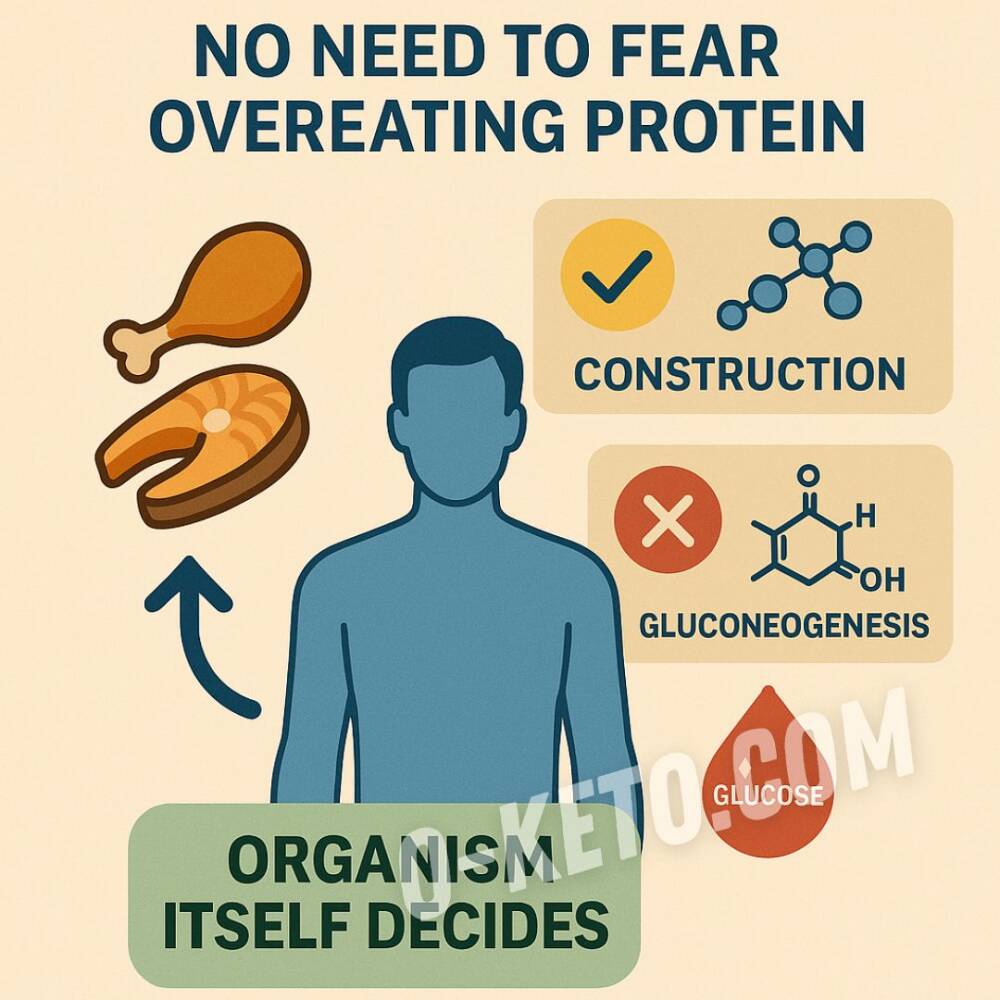
Don't be afraid of overeating protein - it won't lead to falling out of ketosis. The body decides for itself what to do with the incoming protein. If it needs glucose at that moment, then it will use protein for gluconeogenesis. However, if carbohydrates are not needed, then no matter how much protein you eat, gluconeogenesis will not be initiated.
Many who practice the ketogenic diet fear "falling out of ketosis" if they eat too much protein. The basis for this fear is the process of gluconeogenesis (GNG), that is, the synthesis of glucose from amino acids. The logic is simple: if protein → amino acids → glucose, then an increase in protein in the diet may lead to an increase in glucose and insulin, which supposedly "breaks" ketosis.
But in reality, gluconeogenesis is not a process that is automatically triggered by an excess of protein. It is a strictly regulated, demand-dependent process.
Regulation of gluconeogenesis
The body maintains blood glucose levels within a very narrow range (about 4–5.5 mmol/L). To do this, it takes into account:
- the levels of insulin and glucagon;
- the current glycogen stores in the liver;
- the presence of ketone bodies as an alternative fuel;
- the needs of tissues that cannot survive without glucose (for example, erythrocytes, some kidney cells, retina).
If the current need for glucose is met (through glycogen or ketones), then even with high protein intake, amino acids will go towards building tissues, synthesizing enzymes, hormones, and neurotransmitters, rather than converting into sugar.
When protein actually converts to glucose
Gluconeogenesis is activated in cases:
- when glycogen levels drop (for example, after prolonged fasting or heavy physical exertion);
- when glucose-dependent tissues require additional fuel;
- during a stress response (cortisol stimulates GNG to mobilize energy).
Only then does the liver "select" some amino acids and convert them into glucose.
Protein and ketosis in reality
On a ketogenic diet, excessive protein deficiency is more dangerous than excess. Protein undernutrition leads to muscle loss, enzyme deficiency, and weakened immunity.
The body itself regulates the balance between using amino acids for plastic functions (building) and energy functions (gluconeogenesis). Therefore, the statement "excess protein will throw you out of ketosis" is a myth. In practice, even with 25–30% of the caloric intake from protein, ketosis is maintained if carbohydrates are low.