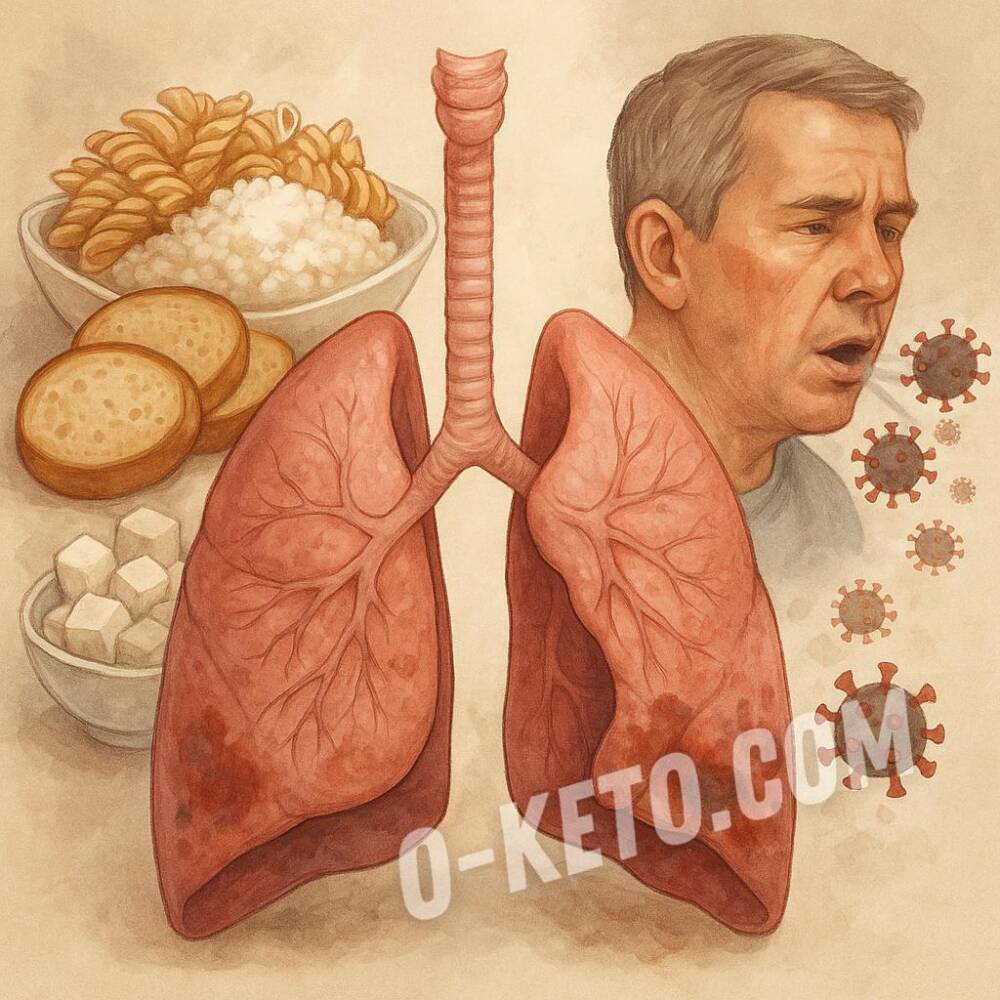
A low-fat and high-carbohydrate diet can create unfavorable conditions for the normal functioning of the respiratory system, especially in the context of chronic inflammation, immune dysfunction, and metabolic disorders.
Energy Metabolism and the Respiratory System
The body obtains energy from three macronutrients: fats, carbohydrates, and proteins.
Fats — are the most energy-dense fuel source. Oxidizing 1 g of fat provides the body with about 9 kcal, while oxidizing 1 g of carbohydrates yields only 4 kcal. Moreover, fat oxidation requires more oxygen but produces less carbon dioxide, making breathing more efficient.
When a person primarily consumes carbohydrates:
- the glycolytic pathway of energy production is enhanced;
- CO₂ production increases, creating a burden on the lungs for its removal;
- the body switches to anaerobic processes more quickly, especially during physical exertion or hypoxia — this leads to the accumulation of lactic acid and a decrease in tissue pH, creating an inflammatory background.
Impact on Surfactant and Lung Tissue
Surfactant — is a phospholipid-protein complex that lines the alveoli of the lungs. It prevents their collapse, participates in gas exchange, and has antimicrobial properties.
Phospholipids, the basis of surfactant, are synthesized from fats. A deficiency of fats in the diet impairs surfactant production, making the lungs less resilient to stress and infection.
This is particularly important for the elderly and chronically ill individuals — they exhibit the most pronounced surfactant dysfunction during viral infections, including COVID-19.
Carbohydrates, Insulin, and Inflammation
High carbohydrate intake — especially refined carbohydrates — stimulates constant insulin production. This leads to:
- insulin resistance;
- chronic systemic inflammation (through the activation of pro-inflammatory cytokines — TNF-α, IL-6);
- weakened immune response, especially innate immunity, which plays a key role in combating respiratory viruses.
In the context of COVID-19, it is the chronically inflamed and metabolically overloaded body that more frequently faces severe disease progression.
Connection with the Deficiency of Fat-Soluble Vitamins
A low-fat diet disrupts the absorption of fat-soluble vitamins: A, D, E, K. All of them are critically important:
- Vitamin A — supports the mucous membranes of the respiratory tract;
- Vitamin D — modulates the immune response and protects against cytokine storms;
- Vitamin E — an antioxidant that protects lung cells from oxidative stress;
- Vitamin K — participates in controlling inflammation and blood clotting (relevant in COVID-19).