


Macroelements
Minerals needed in relatively large amounts: sodium, potassium, magnesium, calcium, phosphorus, chloride and sulfur. In low-carb eating, sodium, potassium and magnesium become especially noticeable because lower insulin changes water and salt retention.
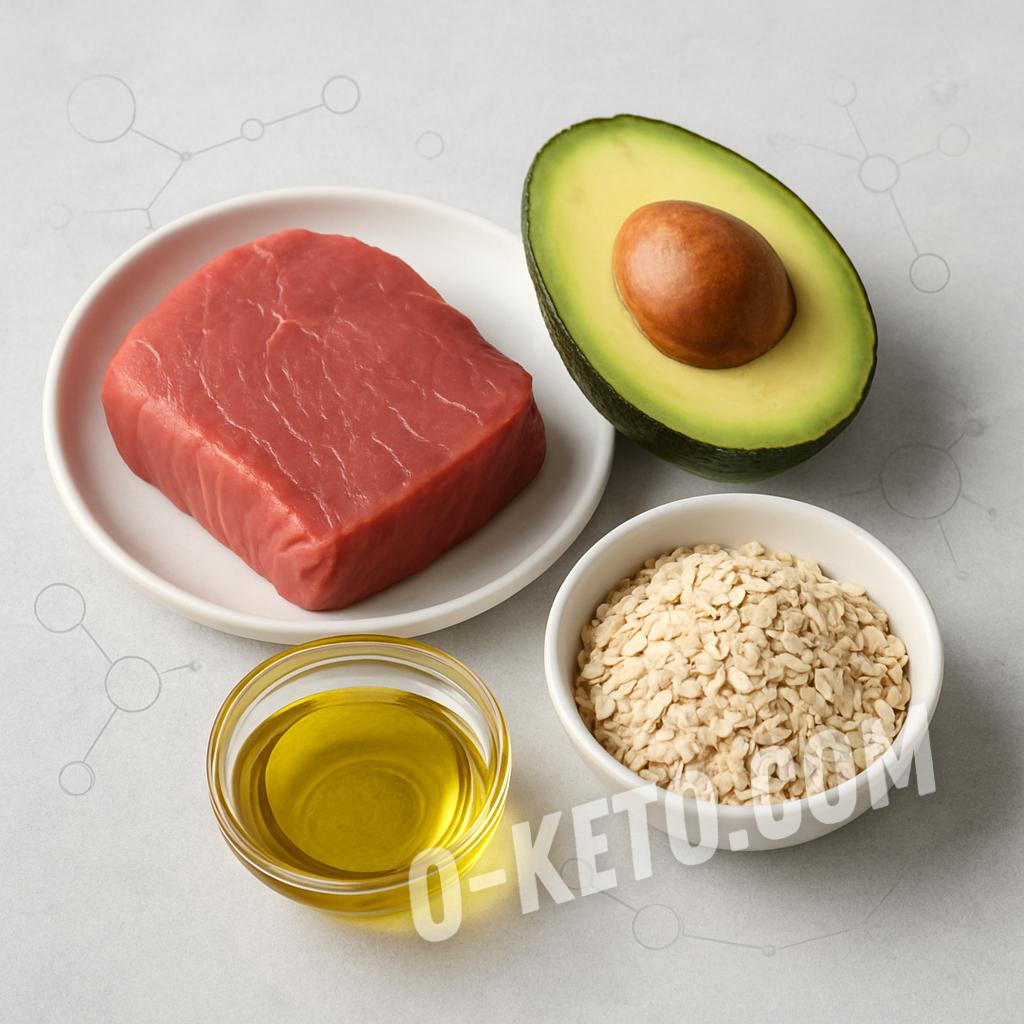
Macroelements are mineral elements required by the body in relatively large amounts. They include sodium, potassium, magnesium, calcium, phosphorus, chloride and sulfur. They are not the same as macronutrients. Macronutrients are protein, fat and carbohydrate, while macroelements are the mineral part of nutrition and metabolism. They do not provide calories, but without them nerves, muscles, bones, acid-base balance, fluid regulation, enzymes and energy metabolism cannot work properly.
In keto and LCHF, macroelements often become very noticeable during the first weeks. When insulin decreases and glycogen stores fall, the body tends to excrete more water and sodium. Needs for salt, potassium and magnesium may shift at the same time. Many symptoms called “keto flu” are linked less with lack of sugar itself and more with rapid changes in water and electrolytes. The mineral side of the diet is therefore just as important as counting carbohydrates.
Sodium, chloride and fluid volume
Sodium and chloride usually come together as table salt. Sodium helps maintain extracellular fluid volume and participates in nerve impulses, muscle contraction and kidney function. Chloride is part of stomach hydrochloric acid and helps maintain fluid balance together with sodium. In low-carbohydrate eating, weakness, dizziness, headache, palpitations or cravings for salty food may reflect low sodium and fluid intake.
Salt should not be prescribed identically to everyone. With hypertension, heart failure, kidney disease, edema, diuretic use and some hormonal disorders, increasing salt can be risky. The practical point is not to fear salt automatically, but to consider diagnoses, blood pressure, medications, sweating, heat, training and symptoms. A low-carb athlete with low blood pressure may need a different sodium intake than a person with kidney disease.
Potassium and magnesium
Potassium is the main intracellular cation. It is needed for heart rhythm, nerve conduction, muscle function, blood pressure and carbohydrate metabolism. Good low-carb food sources include avocado, leafy greens, fish, meat, mushrooms, zucchini, broccoli, spinach and some mineral waters. Potassium tablets and salt substitutes require caution because excess potassium can be dangerous for the heart, especially with kidney disease and medications that affect the renin-angiotensin-aldosterone system.
Magnesium participates in hundreds of enzyme reactions, muscle relaxation, nervous-system regulation, insulin sensitivity and energy metabolism. On keto, low magnesium may show up as cramps, muscle tension, irritability, poor sleep or constipation, although these signs are not specific. Magnesium can come from greens, nuts, seeds, cocoa, fish and mineral water. Supplement forms differ: citrate often loosens stools, glycinate is usually gentler for the gut, and oxide is poorly tolerated and absorbed by many people.
Calcium and phosphorus
Calcium and phosphorus form the mineral base of bones and teeth, but their roles are broader. Calcium participates in muscle contraction, blood clotting, signaling and nervous-system function. Phosphorus is part of ATP, phospholipids, buffer systems and bone tissue. In ordinary diets, phosphorus deficiency is uncommon, while excess phosphate additives from processed foods and beverages can be more relevant, especially in kidney disease.
Calcium cannot be interpreted without vitamin D, magnesium, protein, physical activity, parathyroid hormone and kidney status. Large calcium supplements are not a universal fracture-prevention strategy. If dairy is excluded, calcium sources should be planned: sardines with bones, hard cheese if tolerated, low-oxalate greens, mineral waters or supplements when indicated. With kidney stones, hypercalcemia or parathyroid disease, self-prescribed calcium is especially undesirable.
Sulfur and protein metabolism
Sulfur is part of the amino acids methionine and cysteine, glutathione, connective tissue and some vitamins. Unlike sodium or magnesium, it is rarely counted separately in the diet. Adequate sulfur intake usually follows adequate protein intake from meat, fish, eggs, poultry, dairy and some vegetables such as cabbage, onion and garlic. If protein intake is low, sulfur-containing metabolism may also be undersupplied.
In keto practice, this matters for people who build their diet on oil, cream and fatty drinks while avoiding proper protein foods. Such a diet can be low in carbohydrates but poor in amino acids and sulfur-containing compounds. It is better to build the protein foundation first and then add fats and minerals according to need.
How to assess macroelements
Mineral status cannot be judged reliably from one symptom. Cramps may involve magnesium, sodium, potassium, training load, dehydration, medications or neurological issues. Fatigue may be electrolyte-related, iron-deficiency related, thyroid-related or caused by low energy intake. With persistent symptoms, it is more useful to review blood pressure, pulse, diet, medications, kidney markers, sodium, potassium, calcium, magnesium when indicated and the broader clinical context.
A practical low-carb approach is simple: do not forget salt, whole foods, greens, fish, meat, mineral water and tolerated dairy products. Supplements should be targeted rather than used as a replacement for food. Potassium, calcium and large magnesium doses require particular care with kidney, heart and gastrointestinal disease and medication use. Macroelements work as a system, and imbalance in one mineral can change the others.
If you have any questions about the term "Macroelements", you can ask them to AI. Please note, a low-cost OpenAI model is used. It may answer questions about disease treatment with errors!


 1 / 4
1 / 4
 1 / 4
1 / 4

 1 / 4
1 / 4 1 / 4
1 / 4 1 / 4
1 / 4
