Pesticides and microplastics are often discussed as if finding any trace in food automatically means immediate poisoning. That conclusion is too simple. Risk depends on the substance, the amount, how long exposure continues, how it enters the body, and the person’s circumstances. A more useful approach is to remove a few unnecessary exposure routes without trying to make the diet sterile or replacing food-safety practice with alarming detox rituals.
These topics also have different levels of certainty. Pesticide residues are regulated and monitored under defined standards, and some surface contamination can be reduced at home. Micro- and nanoplastics have been detected in water and many foods, but measurement methods are still developing and a complete assessment of long-term human risk has not yet been completed. The practical rule is therefore modest: use precautions that are simple and harmless, but do not promise that every contaminant can be removed.
What can enter food
Pesticides are not one substance but a broad group of products used to control weeds, insects, fungi, and other agricultural pests. Residues may remain on a surface, move into plant tissues, or enter the food chain. A measurable residue is not automatically the same as an unsafe level: concentration and conditions of use matter. Different pesticides behave differently, so no single home procedure can remove them all.
Microplastics are plastic particles from roughly a micrometre to several millimetres across; nanoplastics are smaller still. Particles have been detected in seafood, meat, vegetables, salt, honey, beer, and drinking water. That demonstrates widespread environmental presence, but it does not by itself establish a harmful dose or a specific health outcome. The European Food Safety Authority is still working on its risk assessment, so a responsible article must separate confirmed presence from proposed mechanisms and proven human harm.
How to reduce pesticide residues on produce
Start with ordinary handling rather than expensive products. Before eating, rinse fresh vegetables, fruit, berries, and herbs thoroughly under clean running water. Running water combined with gentle rubbing helps remove soil, some microorganisms, and some surface residues. Firm produce such as cucumbers and melons can be rubbed with a clean produce brush. After washing, dry the food with a clean towel or paper towel; this can further reduce contamination left on the surface.
If a peel is normally discarded, remove it after washing the food first. Peeling can reduce contact with some surface residues, but it also removes fibre and some nutrients. Do not automatically peel everything: consider the type of produce, the condition of the skin, and how it will be used. Outer leaves of lettuce and cabbage can be discarded, and damaged or rotten areas should be cut away or the item discarded when spoilage is extensive. None of these steps creates zero residues, because some compounds may be inside the plant.
Do not wash food with soap, laundry detergent, bleach, or concentrated homemade chemicals. Produce is porous, residues may remain behind, and the safety and effectiveness of those methods are not established for normal home use. Vinegar or baking-soda water may sound like universal protection, but they do not make food sterile and do not replace rinsing. Follow the label for produce sold as ready to eat, and prevent recontamination with clean hands, knives, and cutting boards.
How to reduce contact with plastic packaging
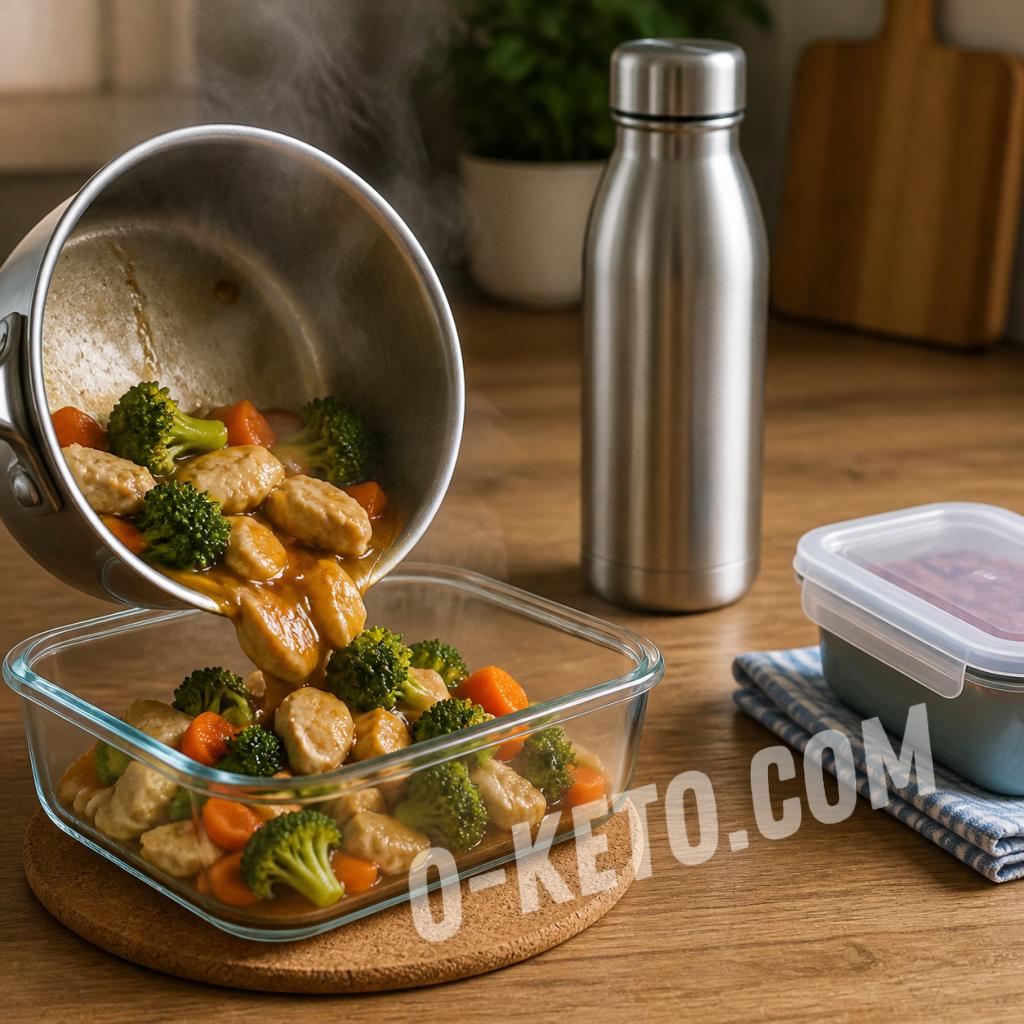
The clearest household step is to avoid heating hot or fatty food in packaging that was not designed for that purpose. Heating and prolonged contact can increase the migration of some chemicals from a material, especially when a container is old, damaged, or used outside the manufacturer’s instructions. Glass containers are practical for hot meals, soups, sauces, and longer storage; glass or stainless steel works well for drinks. Plastic containers are not all equivalent, so follow the label and do not repeatedly reuse single-use packaging unless it is specifically designed for that use.
This advice should not be turned into a promise that glass eliminates microplastics. Particles enter the environment through many routes, and replacing one bottle cannot tell us an individual person’s exposure. Still, avoiding heat in unsuitable plastic, discarding cracked containers, and following storage instructions are reasonable steps with clear food-hygiene value.
If you regularly buy water or drinks in single-use packaging, a washable glass or stainless-steel bottle can reduce reliance on that packaging. Wash and dry it regularly, because a reusable bottle can otherwise collect odours and microorganisms. Do not leave drinks in direct sun or in a hot car for long periods: high temperature can affect the drink regardless of the container material.
What helps in everyday practice
Use a short routine. When shopping, choose intact produce without mould, wet damage, or broken packaging. At home, wash your hands and work surfaces, rinse plant foods before cutting them, and do not place ready-to-eat food on a dirty board. Vary foods and suppliers where practical. Variety does not remove contamination, but it reduces dependence on one product, one source, or one possible residue.
Keep the purposes separate. Washing is mainly for soil, some surface residues, and lowering the amount of microorganisms; it does not sterilize food. Peeling can reduce surface contact but changes nutritional value. Cooking controls many bacteria but is not a universal way to remove chemical residues or microplastics. This distinction keeps everyday advice from promising more than it can deliver.
What not to do
Do not take binders, detox supplements, or herbal mixtures to remove contaminants as a preventive routine without a specific medical reason. They do not replace food selection, washing, or safe storage, and some can interfere with medicines, irritate the gut, or create risks of their own. Do not eliminate vegetables, fruit, fish, or drinking water solely because a headline mentioned detected particles: removing important food groups may damage the diet more than sensible exposure reduction helps it.
Pregnant people, children, and people with chronic conditions should rely on official food-safety guidance rather than social-media lists of the “most toxic” foods. Suspected poisoning, occupational pesticide exposure, or significant symptoms require medical attention; washing food at home is not treatment for intoxication.
Conclusion
You can reduce avoidable contact with contaminants without panic or complicated protocols: rinse plant foods under running water, peel when appropriate, never use soap or bleach on produce, avoid heating food in unsuitable single-use packaging, and choose glass or steel for hot and wet meals. Microplastics are not a fully understood or fully removable threat. The sensible goal is to reduce unnecessary contact, keep the diet varied, and never present household precautions as a treatment or a way to “cleanse” the body.
Sources
- Pesticides and Food: Healthy, Sensible Food Practices — U.S. Environmental Protection Agency
- Selecting and Serving Produce Safely — U.S. Food and Drug Administration
- Microplastics and nanoplastics in food — European Food Safety Authority
- Dietary and inhalation exposure to nano- and microplastic particles and potential implications for human health — World Health Organization