


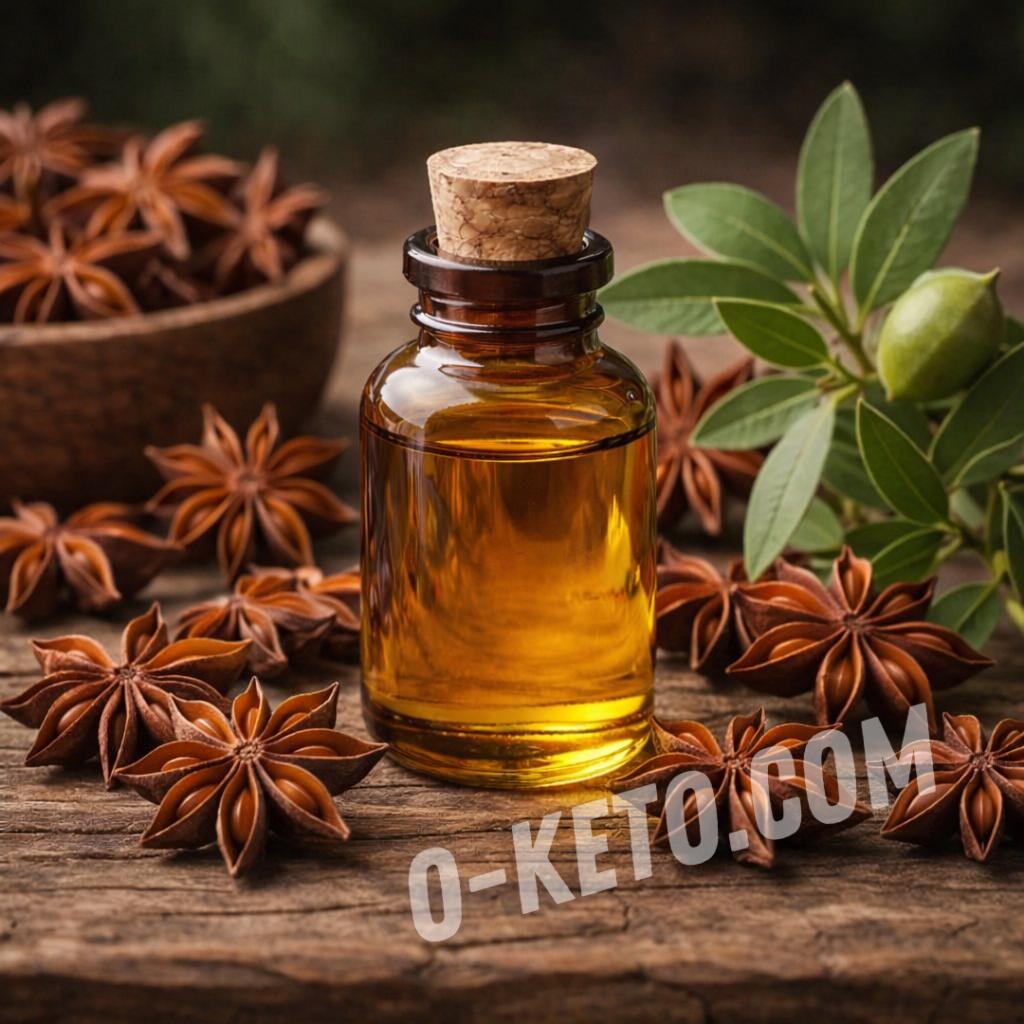

Anise essential oil is obtained from the seeds of the plant Pimpinella anisum by steam distillation. It is one of the classic spice oils with pronounced physiological effects, widely used to support the digestive, respiratory, and nervous systems. Its sweet-spicy, warm aroma is well recognized and has historically been used for both medicinal and household purposes.
Anise has traditionally been regarded as a plant that improves food absorption, reduces spasms, and supports recovery after illnesses and exhaustion. The essential oil is a concentrated form of these properties and, when used correctly, has a gentle yet sufficiently pronounced effect on the body, especially in cases of functional disorders without organic pathology.
History and Origin
The homeland of anise is considered to be the Mediterranean and regions of the Middle East. Archaeological and written sources indicate its use as far back as Ancient Egypt, where anise was used to improve digestion, freshen breath, and in ritual practices. Anise seeds were included in mixtures used after lavish meals.
In ancient Greece and Rome, anise was used as a remedy to ease the digestion of heavy foods, reduce bloating, and promote deeper and calmer sleep. It was added to wine, bread, and medicinal broths.
In the Middle Ages, anise became an important part of European phytotherapy and cuisine. It was used for colds, coughs, intestinal disorders, and general weakness. With the development of distillation technology, anise essential oil emerged as a standalone product and gained popularity in folk medicine, and later in aromatherapy.
Chemical Composition and Beneficial Properties
The main component of anise essential oil is anethole, which can make up to 80–90% of the total composition. The oil also contains methylchavicol, limonene, anisic acid, and trace amounts of terpenes. This composition defines both the characteristic aroma and the main physiological effects of the oil.
Anethole is known for its ability to affect smooth muscle, the secretory function of the gastrointestinal tract and respiratory pathways, as well as neurovegetative regulation.
- antispasmodic action on the smooth muscles of the intestines;
- support for digestion and reduction of gas formation;
- stimulation of digestive juice production;
- expectorant and mucolytic action in respiratory diseases;
- gentle antiseptic effect;
- reduction of nervous tension and anxiety;
- support for recovery processes in cases of exhaustion and hypothermia.
Anise essential oil is often used in formulations aimed at recovery after stress, feelings of cold, internal weakness, reduced vitality, and digestive discomfort.
Effect on the Digestive System
Anise oil is considered one of the basic oils for supporting the gastrointestinal tract. It is especially useful in functional disorders associated with spasms, slow digestion, and increased gas formation.
The oil promotes the relaxation of smooth muscle in the intestines, improves the movement of food bolus, and reduces the feeling of heaviness after meals. Traditionally, it is used in cases of overeating, disrupted eating patterns, and stress-induced digestive disorders.
Application in Aromatherapy
In aromatherapy, anise essential oil is used to create a sense of warmth, coziness, and inner comfort. Its aroma is well-suited for evening time and restorative practices, especially in the cold season.
Methods of application:
- diffusion to reduce anxiety and internal tension;
- inhalations for cough and nasal congestion;
- aromatic baths for relaxation and improved sleep;
- use in blends for meditation and breathing practices;
- support for emotional state during fatigue and hypothermia.
Application in Body and Wellness Practices
In diluted form, anise essential oil is used for abdominal massage in cases of spasmodic conditions, bloating, and discomfort after meals. It is also used in warming massage blends to improve microcirculation and relax muscles:
- abdominal massage for bloating and colic;
- chest massage for cold symptoms;
- inclusion in warming blends for feelings of cold;
- use in lymphatic drainage and relaxing practices.
Contraindications and Precautions
Anise essential oil is highly active and requires careful use. It is used only in diluted form and in minimal dosages, especially when first introduced.
Contraindications:
- pregnancy and lactation;
- estrogen-dependent conditions;
- childhood;
- individual sensitivity to plants of the Apiaceae family.
Before regular use, it is recommended to conduct a skin test and consult a specialist. With proper and moderate use, anise essential oil is an effective means of supporting digestive comfort, respiratory function, thermal balance, and emotional equilibrium.


