


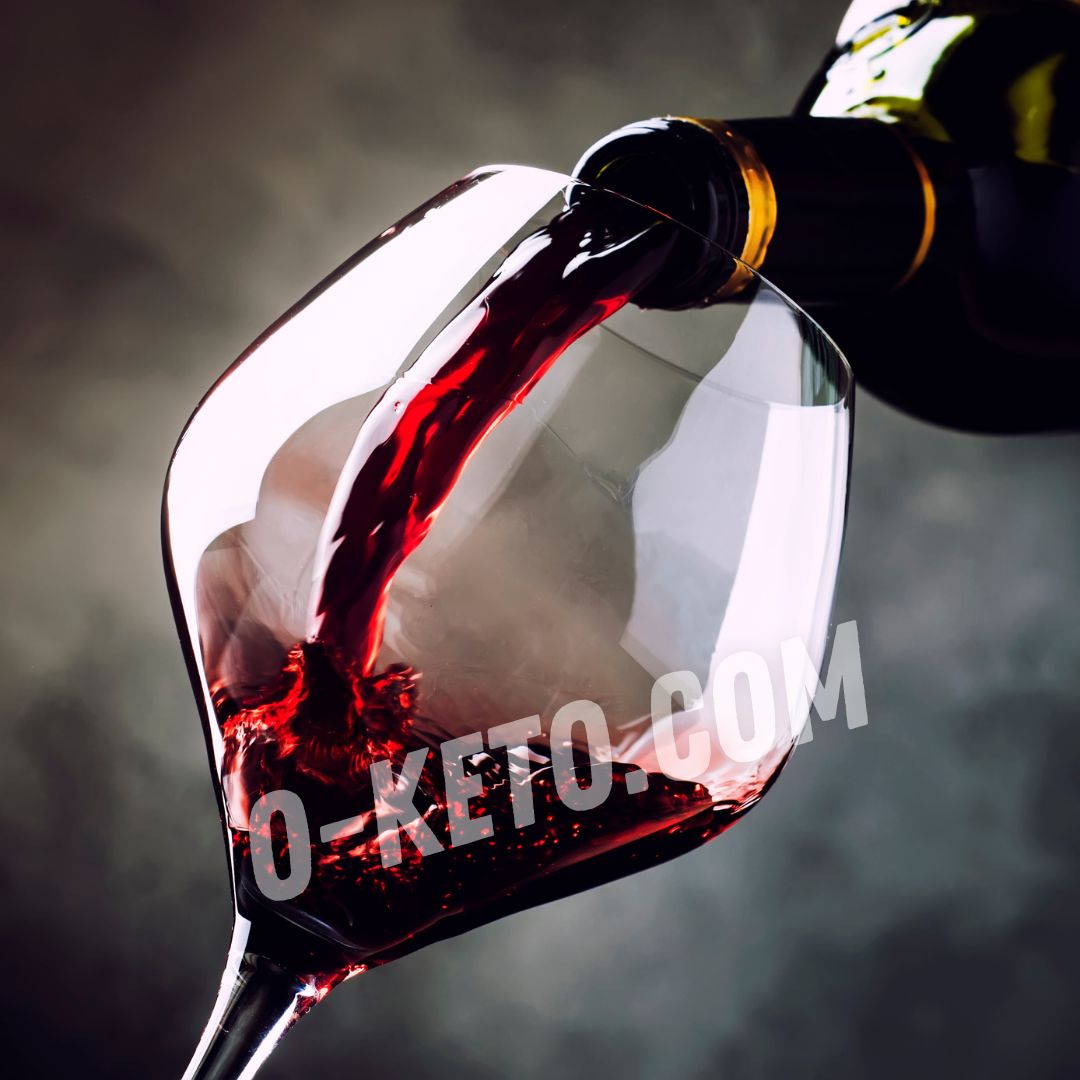

Dry red wine is made from dark grapes when most of the sugar has been fermented by yeast. Unlike semi-sweet and dessert styles, it usually contains little residual sugar, but it is still an alcoholic drink. Flavor depends on grape variety, region, aging, and production: a glass may show cherry, plum, blackcurrant, spice, leather, tobacco, oak, or dried herbs.
Red wine has been part of food culture for centuries, but in nutrition it should be viewed without romance. It is not a source of essential nutrients and not a way to “fix” a diet. Its place is a small serving for taste and food pairing, if alcohol suits the person and does not interfere with goals. For keto, the question is not only sugar but also ethanol itself, appetite, sleep, self-control, and individual tolerance.
Nutrition
A 150 ml glass of dry red wine usually contains about 120-150 kcal. Carbohydrates are often 0-4 g per serving, while protein and fat are almost absent. The range depends on residual sugar, alcohol strength, and pour size. A large restaurant glass may be 180-250 ml, which is a very different portion of alcohol and calories.
Red wine contains polyphenols, tannins, anthocyanins, and aroma compounds that create color, grip, and complexity. Resveratrol is often mentioned loudly, but ordinary servings of wine should not be treated as a nutrient strategy. If the goal is plant polyphenols without alcohol, berries, greens, unsweetened cocoa, tea, and spices are more practical choices.
Place in keto and LCHF
Dry red wine can fit keto by carbohydrate count when the serving is small and the wine is truly dry. Alcohol, however, changes the body’s priorities: while it is being processed, oxidation of other energy sources may temporarily move into the background. For many people wine increases appetite, weakens attention to food choices, and makes bread, dessert, or an extra snack easier to justify.
For stricter keto, it is better to treat wine as a separate event, not as a default drink with every dinner. A practical serving is 100-150 ml, slowly, with food, not on an empty stomach. If ketosis is tracked by well-being, glucose, or ketones, the response should be checked individually: the same glass may affect sleep, hunger, and morning numbers differently in different people.
How to choose
Look for dry wine specifically, not just red wine. The label or description may say dry, sec, trocken, or secco, but residual sugar is more useful when it is listed. For a low-carb diet, wines with low residual sugar and no sweet additions are usually easier to fit. Semi-sweet wine, fortified sweet styles, dessert wine, and sweet cocktails are a different category.
Dry reds range from light to medium-bodied to full-bodied. Lighter styles such as Pinot Noir or some Gamay can pair with poultry, fish, and vegetables. Fuller Cabernet Sauvignon, Syrah, Malbec, or dense blends can stand up to fatty meat, cheese, and grilled dishes. For keto, do not confuse dryness with alcohol strength: a stronger wine may be dry, but it brings more calories from alcohol.
Food pairing
Dry red wine works well with protein-rich and fatty dishes that have salt, browned edges, herbs, and moderate acidity. Good pairings include steak, lamb, duck, cheese, mushrooms, eggplant, tomatoes, salads with olive oil, sugar-free meat appetizers, and dishes with rosemary, thyme, or black pepper.
To keep the meal low-carb, do not place bread, sweet sauces, grapes, dried fruit, or desserts next to the glass. Add water, vegetables, cheese, or a meat plate without breading instead. Wine should not become a way to wash down overly salty or heavy food; that makes it easier to lose measure with both food and alcohol.
Limits
Alcohol is not suitable for everyone. It should be avoided during pregnancy, before driving, during work that requires precise reaction, with a history of dependence, when incompatible with prescribed products, and whenever a clinician has recommended complete avoidance. If wine worsens sleep, triggers sweet cravings, increases hunger, or breaks portion control, it is a poor trade for keto even if the glass is low in carbohydrates.
A daily glass should not be treated as a required habit. For many people, rare use or complete avoidance is the better option. If wine remains in the diet, use a small glass, alternate with water, and do not increase the serving just because the drink is dry.
Storage and substitutes
Store a closed bottle in a cool dark place without overheating or sudden temperature swings. After opening, close red wine with a stopper and put it in the refrigerator; oxidation will be slower. Most everyday wines noticeably lose aroma within 1-3 days after opening, although some fuller wines last longer.
If you need flavor without alcohol, use a little wine vinegar, an unsweetened berry sauce, spiced tea infusion, or alcohol-free wine with verified sugar content. In cooking, some of wine’s role can be taken by broth, tomato, vinegar, lemon, and spices. The substitute depends on the task: acidity, tannic grip, fruit tone, or simply liquid for a sauce.


