


ATP (adenosine triphosphate)
The main cellular energy currency is constantly produced and spent through mitochondria, glycolysis, and other pathways; fatigue is usually not a lack of ATP as a supplement, but a problem of oxygen, nutrients, hormones, sleep, or disease.


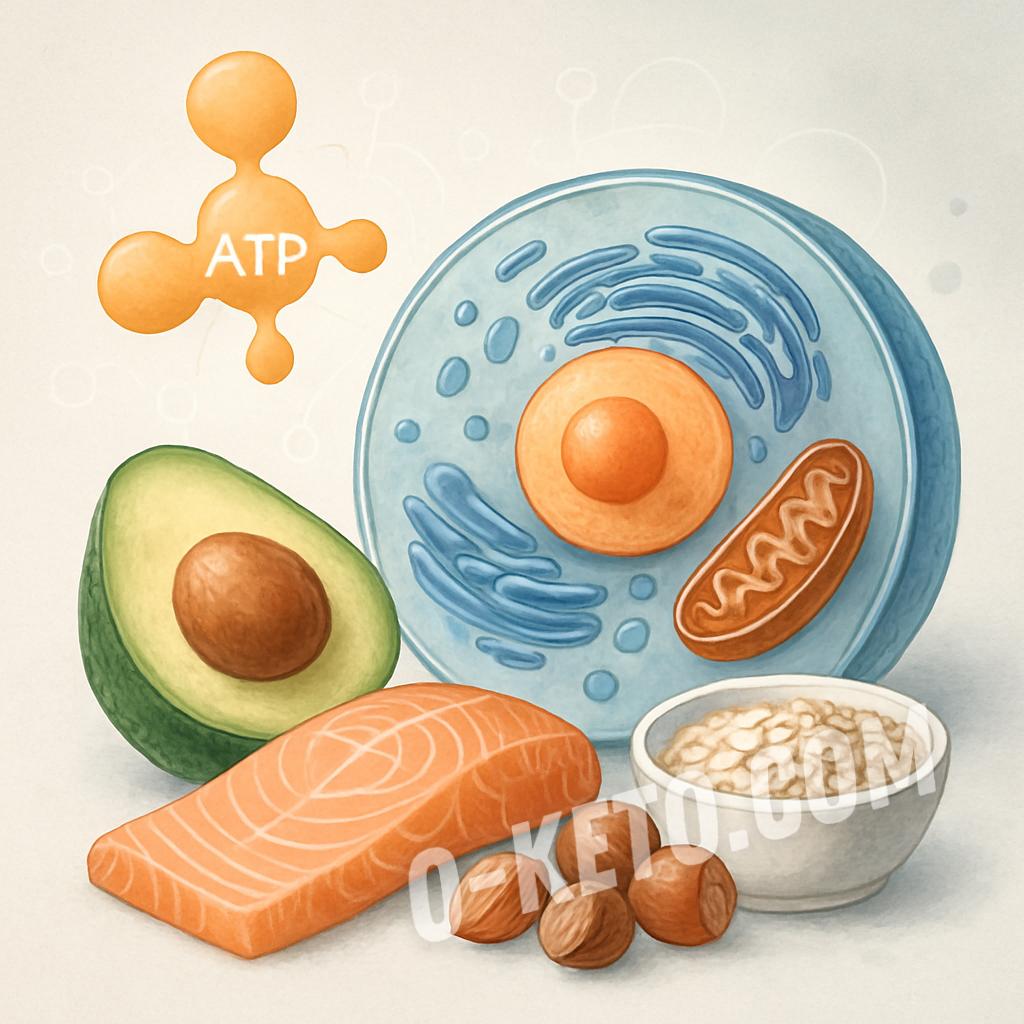
ATP, or adenosine triphosphate, is the molecule cells use to transfer energy quickly. It consists of adenosine and three phosphate groups. When one phosphate bond is hydrolyzed, ATP becomes ADP or AMP, and the released energy is used for muscle contraction, ion pumps, molecule synthesis, cell signaling, movement of cellular structures, and basic cell survival.
ATP is often called the energy currency of the cell, but it is not a fuel warehouse in the ordinary sense. Cellular ATP stores are small and constantly renewed. The body does not store huge reserves of ATP the way it stores fat or glycogen, because ATP is needed for rapid local exchange. Cells continuously rebuild ATP from ADP and phosphate using food energy, oxygen, and metabolic pathways. The key question is not how much ATP is sitting in storage, but how well the systems that produce and use it are working.
Where ATP comes from
The main ATP-producing systems include oxidative phosphorylation in mitochondria, glycolysis, fatty acid oxidation, ketone body use, and the phosphocreatine system in muscle. Glucose can provide ATP quickly, especially during high-intensity work. Fatty acids provide a large amount of energy but require oxygen and operate more slowly. Ketone bodies can be important fuel for the brain, heart, and muscles when carbohydrate availability is low. Phosphocreatine helps rapidly regenerate ATP during short strength efforts.
ATP production needs more than calories. Oxygen, iron, magnesium, phosphorus, B vitamins, coenzyme Q10, thyroid function, mitochondrial health, and circulation all matter. If anemia, hypothyroidism, magnesium deficiency, heart failure, chronic infection, severe sleep loss, or overtraining is present, a person may feel tired not because they lack an ATP pill, but because the conditions for energy production are impaired.
Keto and energy metabolism
On keto, the contribution of different fuels changes. Glycogen becomes lower, glucose use becomes more economical, and fatty acids and ketone bodies become more important. ATP itself does not become a different molecule. What changes are the substrates used to rebuild it. During the first weeks of adaptation, weakness may come from water, sodium, potassium, magnesium, and glycogen shifts rather than from ATP disappearing.
A well-formulated low-carbohydrate diet should support energy production with enough protein, energy, salt, magnesium, potassium from food, iron, B12, and sleep. If a person sharply cuts carbohydrates, fat, salt, and calories at the same time, fatigue is almost expected. In sports, the type of activity matters. Low and moderate intensity work adapts more easily to fat metabolism, while explosive efforts often rely more on glycogen and phosphocreatine.
Magnesium matters for ATP not as a trendy supplement but as a real cofactor: much cellular ATP functions in association with magnesium. Cramps, weakness, and poor keto tolerance sometimes improve through better salt, magnesium, fluid, and food intake rather than stimulants. Magnesium still does not solve anemia, hypothyroidism, or cardiac causes of fatigue.
In sport, time scale matters. The phosphocreatine system works during the first seconds of a powerful effort, glycolysis becomes important during longer high-intensity work, and fat or ketone oxidation supports prolonged moderate activity. The same diet may therefore feel excellent for walking and less comfortable for sprinting until adaptation, training, or carbohydrate timing is adjusted.
Supplements and common mistakes
Drinking ATP for energy sounds logical, but biology is more complicated. ATP acts inside cells, breaks down quickly, and does not become a universal energy drink when taken by mouth. Creatine is better supported for muscle power because it supports the phosphocreatine system and rapid ATP regeneration during short efforts. Even creatine, however, does not replace sleep, training, protein, electrolytes, and treatment of disease.
Another mistake is explaining every case of fatigue by mitochondria without checking basic causes. Persistent weakness may be related to anemia, low ferritin, B12 deficiency, hypothyroidism, depression, sleep apnea, infection, diabetes, medications, low blood pressure, dehydration, or chronic stress. A practical approach to ATP starts with food, sleep, oxygen delivery, electrolytes, and medical context before moving to complex biochemical supplements.
If you have any questions about the term "ATP (adenosine triphosphate)", you can ask them to AI. Please note, a low-cost OpenAI model is used. It may answer questions about disease treatment with errors!


 1 / 4
1 / 4
 1 / 4
1 / 4

 1 / 4
1 / 4