


Thermogenesis
The body’s production of heat through basal metabolism, muscle work, digestion, cold adaptation, thyroid hormones, and brown fat activity. It matters for energy expenditure, but it should not be confused with marketing promises to “boost metabolism” with one food or supplement.



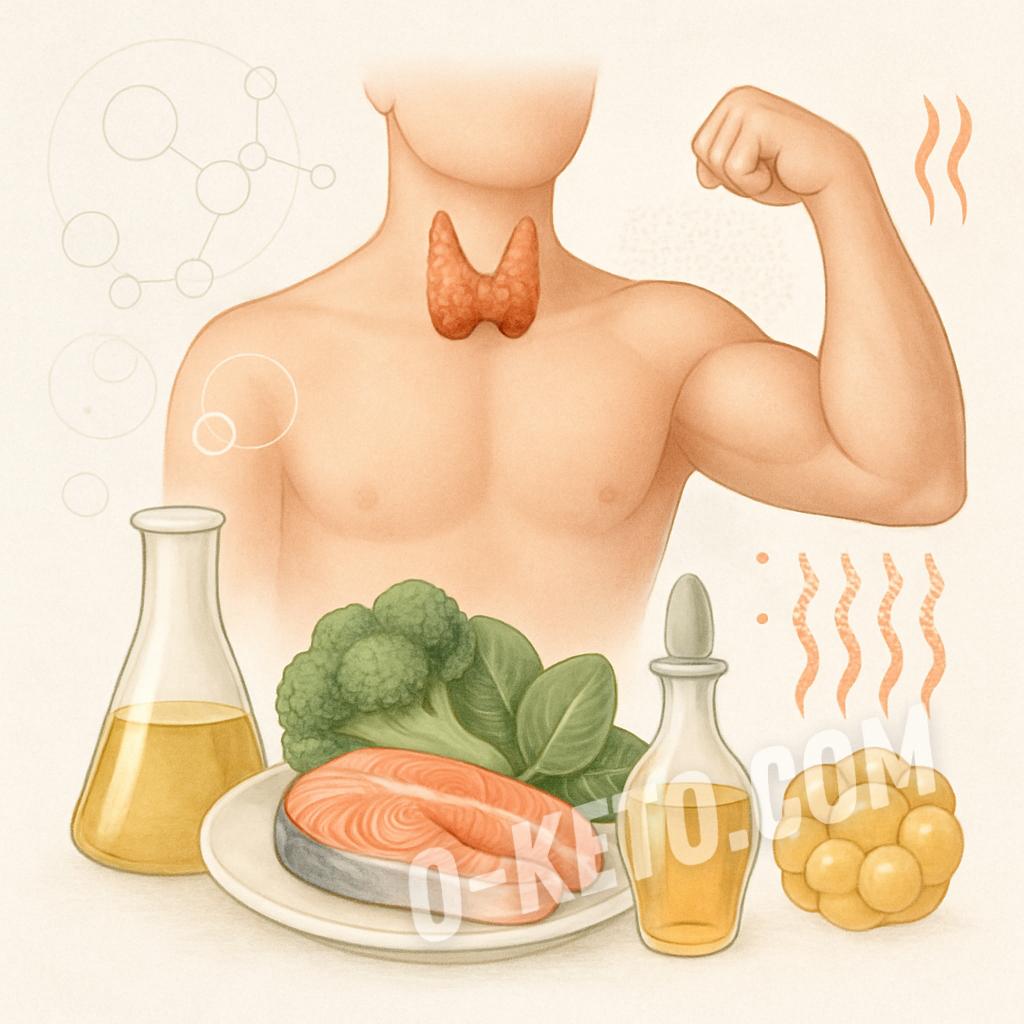
Thermogenesis is the production of heat in the body. It happens constantly because cells turn energy from food and stored fuel not only into work, but also into heat. Some heat comes from basal metabolism, some from movement and muscle contraction, some from digestion, cold adaptation, stress hormones, thyroid function, and the activity of brown fat. It cannot be reduced to one food, spice, or supplement.
In weight-loss discussions, thermogenesis is often used as a polished word for “boosting metabolism.” The reality is more restrained. Energy expenditure does change, but usually within physiological limits shaped by body size, muscle mass, sleep, environment, diet, hormones, activity, and adaptation to calorie deficit. Trying to raise heat production at any cost can worsen sleep, blood pressure, appetite, and recovery.
Main forms
Basal thermogenesis is tied to staying alive: the work of the heart, liver, brain, kidneys, breathing, ion pumps, and tissue renewal. Diet-induced thermogenesis is the energy spent digesting, absorbing, and processing food. Protein has the highest thermic effect because it must be broken down, absorbed, converted into amino acid pools, and its nitrogen handled. Fat has the lowest thermic effect, while carbohydrate sits between the two.
Activity-related thermogenesis includes not only formal exercise but also everyday movement: walking, standing, cleaning, climbing stairs, posture changes, and hand movements. In many people this part of expenditure drops during strict dieting. They move less, feel cold, gesture less, and conserve energy without noticing. Weight loss therefore depends not only on the calorie count of the menu, but also on how the body responds to the deficit.
Cold and brown fat
In cold exposure, the body can produce heat through shivering and non-shivering thermogenesis. Shivering is muscle work. Non-shivering thermogenesis involves brown and beige fat, where mitochondria can spend energy as heat. In adults this system is more modest than in infants, but it exists and responds to cold, sympathetic nervous system signals, and the overall metabolic environment.
Cold practices should not become punishment. A contrast shower, a cool walk, or gradual cold adaptation may improve tolerance and alertness, but ice baths can be risky in hypertension, arrhythmias, cardiovascular disease, panic reactions, or poor recovery. The goal is adaptation, not heroic suffering.
Nutrition, keto, and LCHF
Low-carbohydrate nutrition can influence thermogenesis through changes in insulin, appetite, body weight, glucose swings, and water retention. In the first weeks, some people feel more energetic, while others feel cold and tired because calories, salt, magnesium, potassium, or food variety have fallen too sharply. Ketosis itself does not guarantee high energy expenditure. If a person eats too little protein, sleeps poorly, and moves little, metabolism can adapt downward.
Protein matters for diet-induced thermogenesis and muscle preservation. Resistance training helps maintain muscle mass, and muscle raises total expenditure not magically, but through work, recovery, and activity. Hot spices, caffeine, green tea, and cold exposure may slightly increase expenditure, but the effect is usually small compared with the whole structure of food, sleep, and movement. Using them as substitutes for a good diet is pointless.
Hormones and medical causes
The thyroid gland strongly affects heat production. In hypothyroidism, a person may feel cold, gain weight, feel sleepy, have dry skin, and become constipated. In thyrotoxicosis, heat intolerance, sweating, palpitations, weight loss, anxiety, and weakness may appear. Similar symptoms can also come from poor sleep, iron deficiency, low calorie intake, infection, menopause, or medication. Thyroid hormones should not be used to raise metabolism without a diagnosis.
Leptin, insulin, catecholamines, sex hormones, and cortisol also interact with energy expenditure. During a long severe calorie deficit, the body lowers thermogenesis, changes appetite, and reduces spontaneous movement. This is normal protection, not a failure of willpower. Sometimes the better move is to make nutrition more sustainable, raise protein, improve sleep, and rebuild movement rather than impose even stricter restriction.
Practical conclusion
Thermogenesis matters, but it is not a quick weight-loss button. It is supported by muscle, movement, adequate protein, sleep, healthy thyroid function, enough energy, moderate cold adaptation, and lower chronic stress. If someone is constantly cold, losing strength, sleeping poorly, and thinking about food all day, that is not a sign of excellent fat burning. It is a reason to review diet, recovery, and possible medical causes.
If you have any questions about the term "Thermogenesis", you can ask them to AI. Please note, a low-cost OpenAI model is used. It may answer questions about disease treatment with errors!


 1 / 4
1 / 4


 1 / 4
1 / 4 1 / 4
1 / 4