


E622 (potassium glutamate)
Potassium glutamate provides umami and may reduce sodium share, but potassium in the name requires attention to kidneys, medicines and serving size.
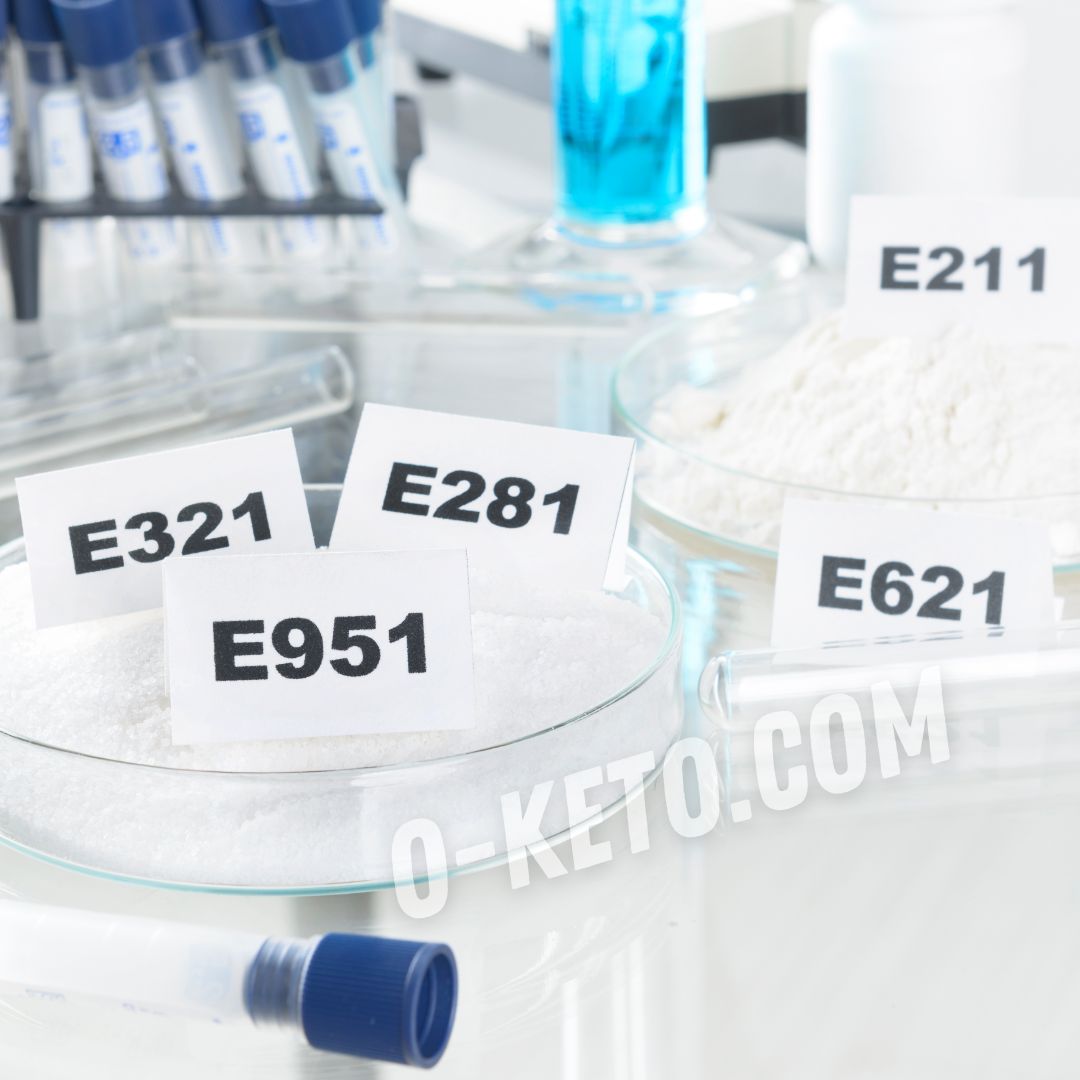
E622 is potassium glutamate, the potassium salt of glutamic acid used as an umami flavor enhancer. It is similar in flavor role to monosodium glutamate, but carries potassium instead of sodium. It should therefore be assessed not only as a flavor additive, but also as a potassium salt, especially when the product is eaten regularly.
An additive with mineral, acidic, or flavoring action does not automatically make a product bad. However, it helps to understand the technology: the product could be regulated by pH, aerated, protected from caking, enhanced in flavor, or stabilized in color.
What is this additive
Potassium glutamate is obtained or described through the following chemical basis: potassium salt of glutamic acid. In food technology, it is valued for its reproducible action in specific environments: acidic, alkaline, dry, protein, saline, or fatty.
If the code relates to old or ambiguous positions, it is especially important to look for not only the number but also the full name of the substance on the label. A mistake in one digit can replace carbonate, phosphate, metal salt, or flavor enhancer with a completely different substance.
Why it is used
It provides umami flavor and can be used as an alternative to sodium salt. In industry, such additives help the product withstand storage, transportation, heating, freezing, or mixing without losing the expected appearance and taste.
In home recipes, some of these tasks are solved more easily: with fresh raw materials, short shelf life, natural acid, salt, fermentation, or proper heat treatment. In factory products, the additive makes the result more stable and cheaper for mass production.
Nutritional value and metabolism
E622 is usually not a standalone source of nutrients, even if the name includes calcium, magnesium, iron, potassium, amino acids, or organic acids. The amount in the product is more often technological rather than therapeutic.
For healthy eating, keto, and LCHF, it is more important to look at the entire recipe: sugar, flour, starch, syrups, refined oils, salt, protein, and portion size. The additive may be neutral but present in a product that poorly fits your goals.
Safety and tolerance
When limiting potassium, it is important to consider the overall potassium background. The risk depends on the dose, frequency of consumption, age, kidney diseases, gastrointestinal issues, allergies, medications, and overall mineral balance.
If headaches, flushes, itching, abdominal discomfort, thirst, swelling, or increased appetite recur after consuming products with E622, it is useful to compare labels and discuss the observation with a specialist. This is especially true for phosphates, potassium salts, flavor enhancers, and old codes with unclear status.
Potassium salts may be used in reduced-sodium products or flavor mixes where the manufacturer wants to preserve taste intensity. This does not automatically make the product useful for electrolytes. Potassium assessment depends on amount per serving, kidneys, blood pressure, medicines, sodium, magnesium and the whole diet.
For low-carb eating, potassium is genuinely important, but E622 in a finished product does not replace a clear electrolyte strategy. With weakness, cramps or unstable blood pressure, salt, water, magnesium, physical activity and medicines should be considered along with potassium.
Special caution is needed with kidney disease, ACE inhibitors, ARBs, potassium-sparing diuretics and some heart medicines. In such cases potassium should not be added casually, even when it comes from a salt substitute or ready product. Regular potassium salts are best considered together.
As a flavor enhancer, E622 may appear in dry sauces, snacks, ready meals and spice mixes. It is not a carbohydrate by itself, but neighboring ingredients may matter more: sugar, starch, maltodextrin, breadings, vegetable oils and flavorings. The whole product should be assessed.
Practically, potassium glutamate does not require automatic fear, but it does require understanding. In an occasional product with a short ingredient list, it may simply be a flavor salt. In daily ultra-processed food, it becomes part of a system that intensifies taste, masks weak nutritional value and may interfere with natural portion control.
How to assess on the label
Look at where E622 stands in the composition and what ingredients are nearby. At the end of the list, it is often a small technological dose; at the beginning or near several similar additives, it is a sign of a heavily processed recipe.
Practical conclusion: Potassium glutamate should be assessed without panic but carefully. If the product is based on understandable raw materials and the additive solves one technological task, that is one thing; if the composition relies on flavor enhancers, stabilizers, phosphates, sweeteners, and flavorings, it is better to reserve such a product for rare consumption.
If you have any questions about the term "E622 (potassium glutamate)", you can ask them to AI. Please note, a low-cost OpenAI model is used. It may answer questions about disease treatment with errors!


 1 / 4
1 / 4


 1 / 4
1 / 4 1 / 4
1 / 4
