


Insulin sensitivity
Insulin sensitivity describes how effectively muscles, liver, and adipose tissue respond to insulin. It improves through lower visceral fat, strength training, sleep, adequate protein, carbohydrate control, inflammation management, and medication-aware monitoring, not through one supplement.


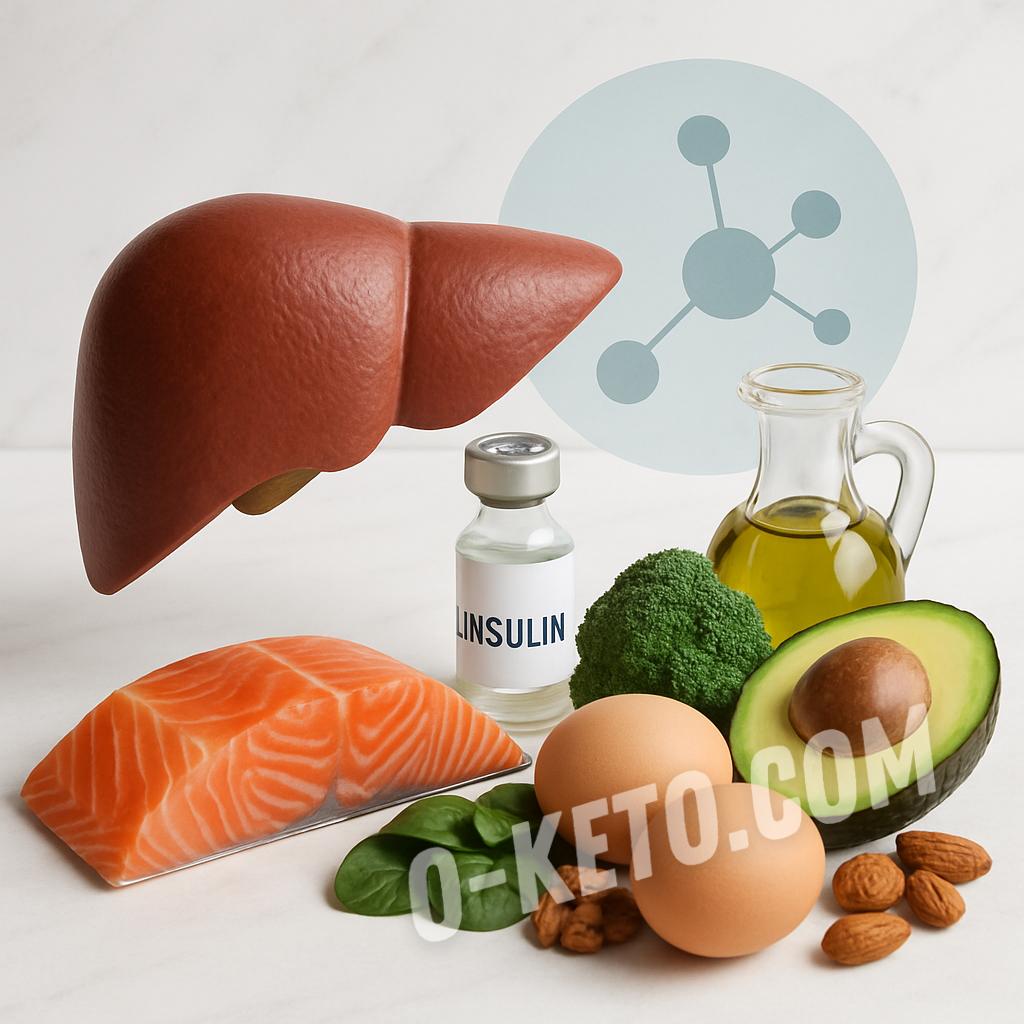
Insulin sensitivity describes how well tissues respond to insulin. When sensitivity is high, the body needs less insulin to move glucose and nutrients into cells. When sensitivity is reduced, the pancreas has to release more insulin to keep glucose normal. This reduced state is called insulin resistance, and it is linked with type 2 diabetes, metabolic syndrome, fatty liver disease, and cardiovascular risk.
Insulin does more than regulate sugar. It affects energy storage, lipolysis, protein synthesis, liver metabolism, appetite, and adipose tissue function. Insulin sensitivity therefore cannot be judged only from one fasting glucose value. A person may have normal fasting glucose but elevated insulin, a larger waist, high triglycerides, sleepiness after meals, and signs of fatty liver.
Where it shows up
Muscle is a major destination for glucose after meals and exercise. The more active and trained muscle tissue is, the easier it is for the body to handle glucose. The liver controls glucose production and storage. In insulin resistance, it may continue releasing glucose even when enough is already available. Overloaded adipose tissue can release free fatty acids and inflammatory signals.
This is why improving insulin sensitivity rarely comes from one food. Visceral fat, inactivity, poor sleep, stress, alcohol, excess calories, low protein, inflammation, medications, menopause, and genetics can act together. The encouraging part is that muscle activity, sleep, food quality, and waist reduction can change the situation meaningfully.
How to assess it
Accessible markers include fasting glucose, HbA1c, fasting insulin, HOMA-IR, triglycerides, HDL, waist circumference, blood pressure, liver enzymes, and liver ultrasound. An oral glucose tolerance test with insulin provides more information about the response to a challenge, but it is not needed for everyone. Continuous glucose monitoring shows post-meal peaks and responses to food, sleep, and stress, but it does not measure insulin directly.
No single test is perfect. Insulin sensitivity varies by tissue and timing. A bad night, infection, stress, overeating, or overtraining may temporarily worsen glucose. Walking, strength training, weight loss, and good sleep may improve it. Trends are more useful than one isolated number.
Low-carb nutrition
Keto and LCHF can improve practical glucose control because they reduce sugar, starch, and frequent insulin spikes. For many people this lowers appetite, helps reduce visceral fat, and improves triglycerides. But insulin sensitivity is not simply the number of carbohydrates on paper. If someone eats too many calories, too little protein, does not move, and sleeps poorly, metabolic problems may persist.
Protein matters because muscle is the main glucose sink. Strength training, walking after meals, and enough amino acids help tissues respond better. Magnesium, potassium, sodium, omega-3 fats, vitamin D when indicated, and whole foods can support the system, but they do not replace movement and reduction of excess visceral fat.
What really helps
The most reliable steps are reducing waist circumference, strength training, regular walking, enough sleep, alcohol control, less ultra-processed food, adequate protein, and a sustainable eating pattern. Carbohydrates should be adjusted to tolerance. Some people need strict keto; others improve enough by removing sugar, flour, and snacks. The result should be judged by glucose, insulin, waist, blood pressure, and well-being.
With diabetes, pregnancy, insulin use, or glucose-lowering medication, dietary change requires caution. Improved sensitivity can quickly reduce medication needs and increase hypoglycemia risk. Good insulin sensitivity is therefore not an abstract goal, but a practical state that should be developed together with safe treatment and regular monitoring.
CGM can be useful even without diabetes when its limits are understood. It shows glucose responses to food, sleep, stress, and walking after meals, but it does not show insulin levels. Sometimes flat glucose is maintained at the cost of high insulin, especially early in insulin resistance. Insulin sensitivity should therefore be viewed more broadly: waist, triglycerides, HDL, blood pressure, liver status, muscle strength, and post-meal well-being all add context.
If you have any questions about the term "Insulin sensitivity", you can ask them to AI. Please note, a low-cost OpenAI model is used. It may answer questions about disease treatment with errors!


