Insulin resistance
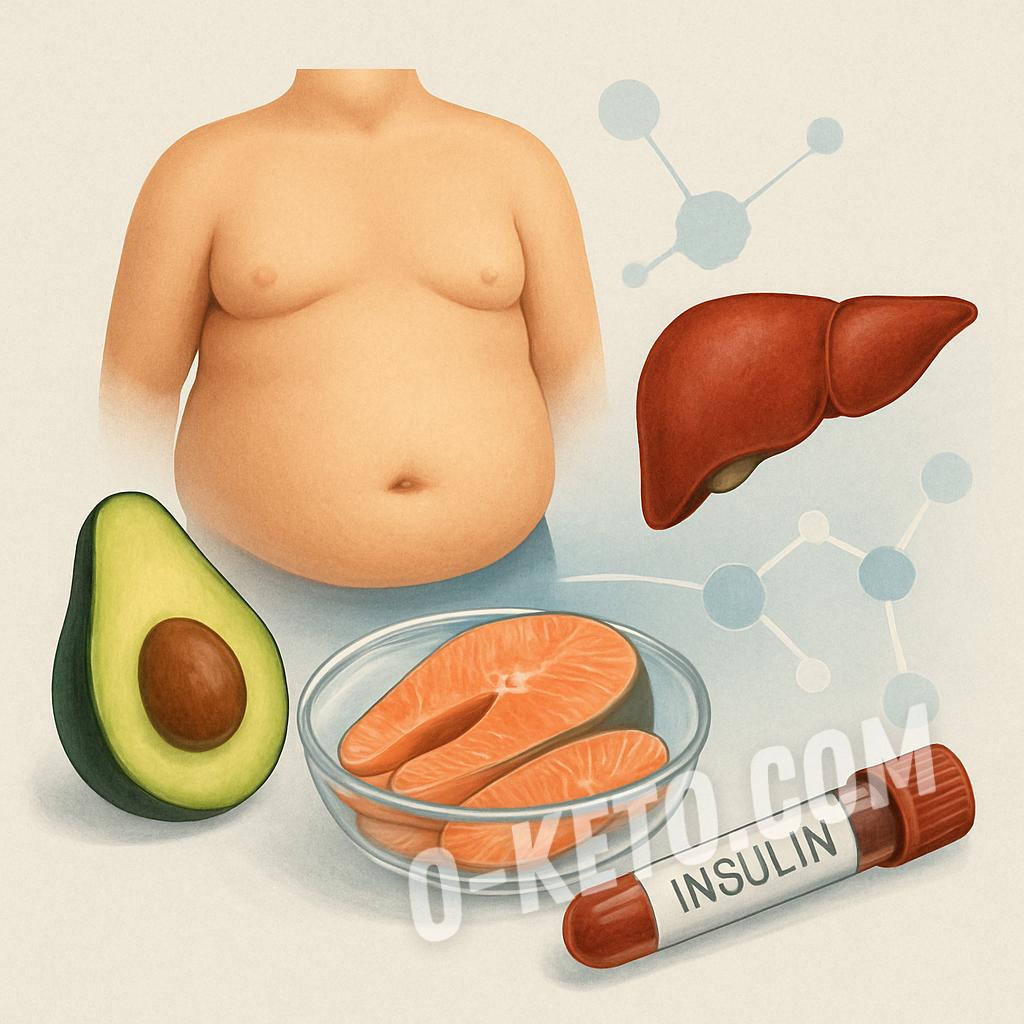
A state in which muscle, liver, and fat tissue respond poorly to insulin, forcing the pancreas to secrete more of it. It can hide behind normal fasting glucose for years, so waist size, triglycerides, HDL, fasting insulin, HOMA-IR, and post-meal responses matter.


Insulin resistance is a state in which tissues respond less effectively to the normal signal of insulin. Insulin is not only a hormone that moves glucose into cells. It regulates energy storage, fat synthesis, suppression of fat breakdown, liver glucose output, amino acid handling, and several satiety-related signals. When muscle, liver, and fat tissue become less sensitive to insulin, the pancreas has to release more of it to keep blood glucose in range.
That is why insulin resistance can remain hidden on a simple glucose test for a long time. Fasting glucose may still be normal while fasting insulin is already high. A person may notice sleepiness after meals, cravings for sweet foods, difficulty losing weight, increasing waist size, unstable appetite, high blood pressure, elevated triglycerides, or fatty liver. Symptoms are not required, however. In many people, the first clues appear only in laboratory patterns and body composition.
What happens in muscle, liver, and fat tissue
Skeletal muscle is the major destination for glucose after meals. When muscles are inactive, losing mass, or overloaded with intracellular energy stores, they take up glucose less efficiently in response to insulin. In the liver, insulin resistance can allow continued glucose release into the blood even when insulin should suppress that process. At the same time, triglyceride production may rise, the risk of non-alcoholic fatty liver disease increases, and the lipid profile often worsens.
Fat tissue is not a passive storage depot. Visceral fat releases more inflammatory signals and free fatty acids, both of which can interfere with insulin signaling. Waist size is especially important because fat around the organs is more metabolically active than subcutaneous fat and is closely linked with blood pressure, triglycerides, HDL, uric acid, liver enzymes, and the risk of type 2 diabetes.
Why it develops
Insulin resistance usually does not have one single cause. It often develops from a combination of excess energy intake, low muscle activity, visceral fat, chronic sleep deprivation, stress, inadequate protein and micronutrients, high sugar and refined carbohydrate intake, frequent snacking, alcohol, inflammation, some medications, and age-related hormonal changes. In women, polycystic ovary syndrome, a history of gestational diabetes, and the menopausal transition can be particularly relevant.
Genetics matters, but it does not cancel the environment. A person may be predisposed to higher insulin, easier visceral fat gain, or poorer tolerance of excess carbohydrates, yet sleep, resistance training, protein intake, sugar reduction, weight loss, and medication review can still change the trajectory. It is more useful to view insulin resistance as a dynamic condition than as a permanent label.
How to suspect it from tests
No single marker tells the whole story. Fasting glucose can be normal, HbA1c can lag behind real glucose swings, and insulin values depend on laboratory methods and test conditions. A more useful approach is to read several signs together: waist circumference, blood pressure, triglycerides, HDL, ALT and AST, uric acid, fasting glucose and insulin, HOMA-IR, and sometimes an oral glucose tolerance test that also measures insulin. In people with established diabetes, medication use, hypoglycemia risk, and post-meal glucose patterns also matter.
Continuous glucose monitoring can show which meals produce sharp glucose rises, but it does not measure insulin. A normal glucose curve after a meal does not always mean excellent insulin sensitivity; the pancreas may simply be secreting a large amount of insulin to keep glucose controlled. When early insulin resistance is suspected, fasting insulin, an insulin response test, lipids, liver markers, and waist size may be more informative than celebrating one normal fasting glucose value.
Low-carbohydrate nutrition
Keto and LCHF can help because they reduce glycemic load, lower the need for large insulin surges, improve appetite control, and often support loss of visceral fat. For many people this is more practical than trying to count calories while eating frequent carbohydrate peaks. But low-carbohydrate eating should not turn into uncontrolled energy intake, too little protein, no vegetables, electrolyte depletion, and no physical activity.
Resistance training and walking after meals improve the ability of muscle to take up glucose through pathways that do not depend entirely on insulin. Adequate protein helps preserve muscle during weight loss. Sleep reduces evening appetite and stress hormone pressure. Magnesium, potassium, sodium, vitamin D, iron, and omega-3 fats are not magic cures for insulin resistance, but they support normal metabolism when real deficiencies or low intake are present.
Medication caution
If someone uses insulin, sulfonylureas, or other glucose-lowering medications, a sharp reduction in carbohydrate intake can quickly reduce medication needs and raise the risk of hypoglycemia. This does not mean low-carbohydrate nutrition is forbidden, but it does mean changes should be made with medical guidance and glucose monitoring. Blood pressure medication and diuretics also require attention because reducing carbohydrates often decreases water and salt retention.
The main mistake is expecting insulin resistance to be solved by one food, supplement, or prohibition. What usually works is a combination: less sugar and refined starch, more complete protein sources, enough fat without overeating, regular muscle work, better sleep, reduced visceral fat, treatment of sleep apnea when present, and appropriate medication adjustment. Then insulin can become a normal signal again, rather than a signal that tissues ignore until the pancreas compensates with excessive output.
If you have any questions about the term "Insulin resistance", you can ask them to AI. Please note, a low-cost OpenAI model is used. It may answer questions about disease treatment with errors!