


Menopause
Menopause is the phase when menstruation stops and the hormonal background changes, influencing sleep, mood, vascular reactivity, bone turnover, body composition, and stress tolerance. Some women move through it smoothly, while others need more deliberate work with sleep, metabolism, nutrition, and medical strategy.


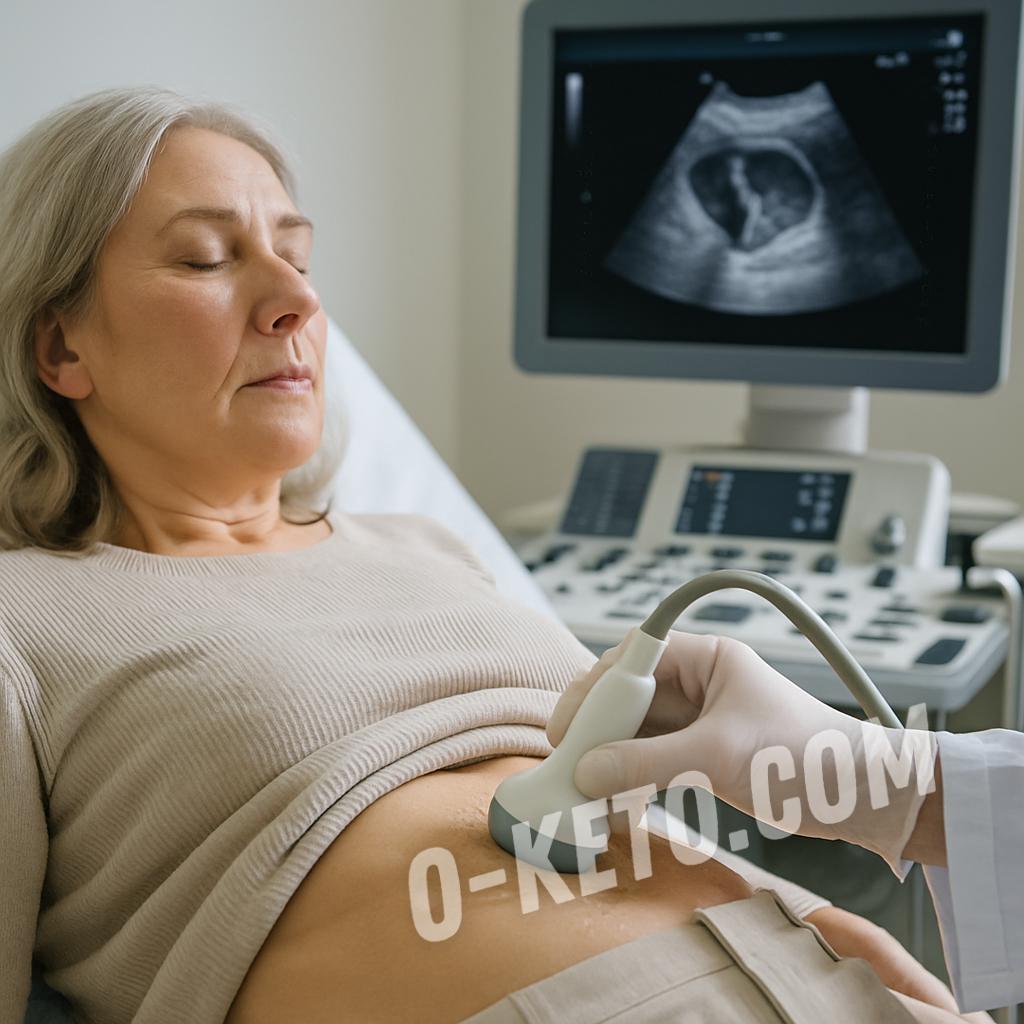
Menopause is not only the end of menstrual cycles. It is a transition in which ovarian hormone production changes enough to affect sleep, thermoregulation, mood, vascular tone, insulin sensitivity, body fat distribution, bone remodeling, and stress tolerance. Some women experience relatively mild changes, while others deal with hot flashes, waking at night, anxiety, reduced resilience, joint discomfort, altered appetite, or rapid shifts in how they tolerate carbohydrates, alcohol, training, and stress. Because the transition is systemic, it should not be reduced to one symptom or to one supplement. The most useful approach is to understand which body systems are changing in a particular woman and to build support around sleep, metabolic health, bone protection, and long-term quality of life.
What changes in the body
As estrogen levels decline and fluctuate, several physiological systems become less buffered. Thermoregulation becomes less stable, which contributes to hot flashes and night sweats. Sleep often becomes lighter and more fragmented. Mood may become more reactive, especially if a woman already has a history of anxiety, depression, or chronic stress overload. Bone turnover also changes, which is why the years around and after menopause matter for future fracture risk.
Body composition may shift as well. Some women notice a rise in abdominal fat, reduced recovery from training, and easier swings in appetite or energy. Vascular reactivity can feel different, and the same woman who tolerated poor sleep or irregular meals before may suddenly feel much worse from the same habits. This does not mean everything is hormones only, but the hormonal shift changes the way stressors are processed.
Why well-being changes so differently from one woman to another
Menopause is shaped not only by ovarian biology, but by the background it meets. Sleep history, insulin resistance, thyroid status, alcohol use, chronic stress, muscle mass, diet quality, previous depression or anxiety, and existing inflammatory load all influence how the transition feels. A woman with good sleep, preserved muscle, and stable metabolic health may move through menopause relatively smoothly. Another woman of the same age may struggle intensely if she enters the period already depleted, under-muscled, chronically sleep deprived, or insulin resistant.
That is why comparing symptoms between women can be misleading. The same hot flash frequency may be tolerable for one person and destabilizing for another if it triggers insomnia, worsens anxiety, or leaves recovery chronically incomplete. The practical point is not to normalize suffering just because menopause is common. A common transition can still need active support.
What is worth reviewing with a clinician
Medical discussion may be helpful when symptoms significantly affect sleep, mood, sexual comfort, blood pressure, glucose control, or quality of life. The conversation may include menstrual history, vasomotor symptoms, fracture risk, family history, body composition, mood state, metabolic markers, and sometimes thyroid or iron-related issues when the picture is mixed. If bleeding patterns are abnormal, if symptoms are dramatic, or if there is uncertainty about what is menopausal versus something else, the evaluation becomes even more important.
This phase is also a good time to review the bigger preventive picture: bone health, exercise tolerance, blood pressure, insulin resistance, lipids, recovery capacity, and whether the woman is sliding into under-muscled, under-recovered aging. Menopause is not only about symptom relief today; it is also a moment to influence long-term skeletal, metabolic, and vascular trajectory.
Nutrition, keto, and LCHF in this period
No single diet fixes menopause, but diet can strongly affect how symptoms are tolerated. Many women benefit from a more stable glycemic pattern, sufficient protein, better mineral intake, and less chaotic eating. When insulin resistance, abdominal fat gain, or strong post-meal crashes are present, a lower-carbohydrate pattern may improve satiety, energy stability, and appetite control. For some women this also helps reduce the sense of inflammation and reactivity.
However, keto or LCHF should not become another stressor. If carbohydrate restriction is paired with low calories, poor sleep, fear of food, low sodium, and excessive training, it can worsen fatigue, irritability, and stress tolerance. In midlife women especially, the goal is not metabolic heroics. It is stable energy, preserved muscle mass, calmer sleep, and a pattern that can be followed without chronic tension. Adequate protein, resistance training, hydration, electrolytes when needed, and enough total food often matter as much as the carbohydrate number itself.
What actually helps
Helpful support usually starts with sleep protection, resistance training, walking, protein sufficiency, and a realistic stress strategy. Many women need more recovery than they think, especially if they are juggling work, family, under-sleeping, and trying to compensate with caffeine. If nighttime waking becomes frequent, the downstream effect on appetite, insulin sensitivity, mood, and pain can be substantial. Restoring sleep quality often improves several symptoms at once.
Long-term success in menopause usually comes from layering sensible support instead of searching for one miracle product. That means understanding whether symptoms are mainly vasomotor, metabolic, mood-related, musculoskeletal, or sleep-driven; correcting reversible deficiencies; keeping muscle and bone health in focus; and choosing a dietary pattern that supports resilience rather than punishes the system. Menopause is a normal life transition, but it still deserves intelligent, structured care.
If you have any questions about the term "Menopause", you can ask them to AI. Please note, a low-cost OpenAI model is used. It may answer questions about disease treatment with errors!


