


Prostatitis
Inflammation or chronic irritation in the prostate area may cause urinary discomfort, pelvic pain, sexual symptoms, and a general drop in well-being. It is important to distinguish acute infection from chronic pelvic symptoms and not rely on diet or supplements alone without proper medical assessment.


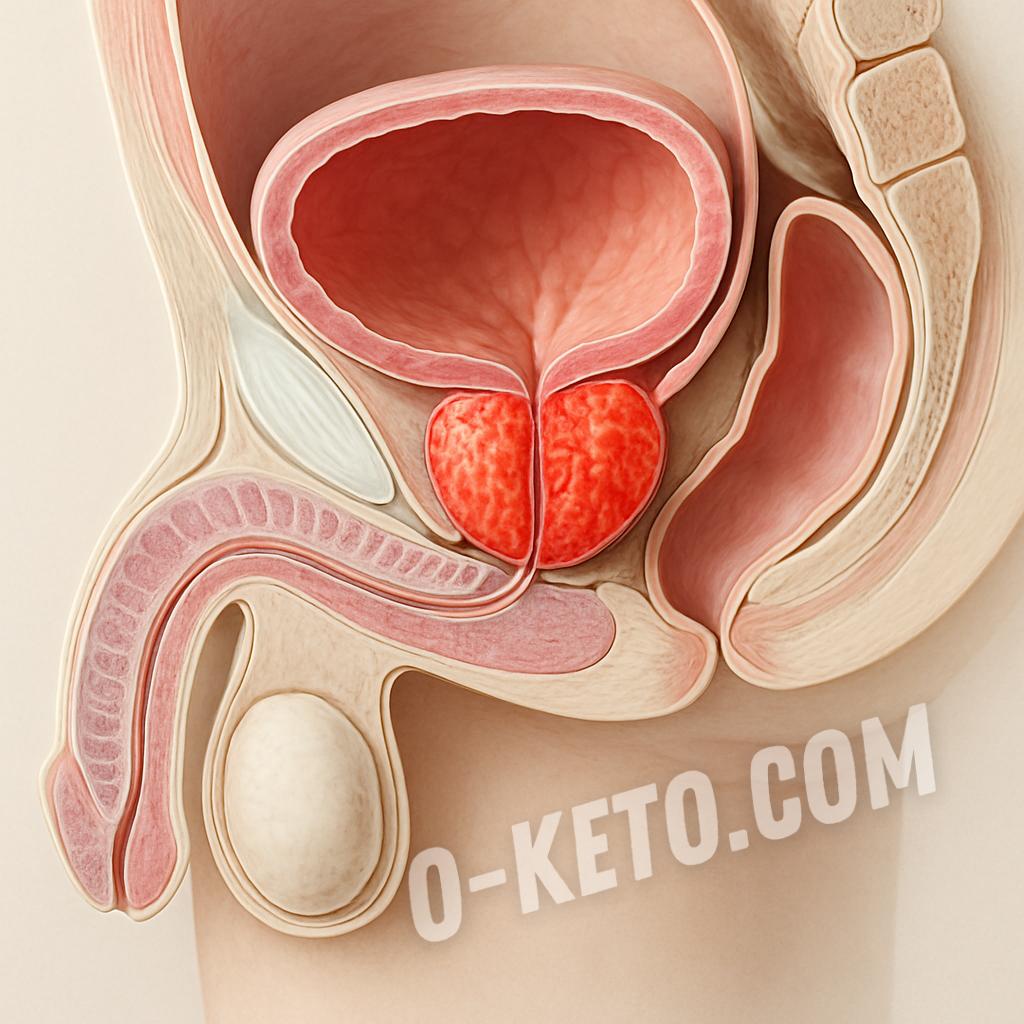
Prostatitis is not one single scenario with one single cause. In practice the complaint may cover an acute bacterial infection, chronic inflammation, chronic pelvic pain syndrome, urinary discomfort, pelvic tension, or a mixed picture where pain, bladder symptoms, stress, and muscle spasm reinforce one another. Because of that, the word itself should not push a person into self-treatment. Some cases need antibiotics and urgent evaluation, while others are driven more by pelvic floor dysfunction, long-term irritation, stress, metabolic problems, or a combination of factors. The useful approach is to understand what kind of symptoms are present, how quickly they started, whether fever or infection signs exist, and what else is happening with urination, sexuality, bowel function, and general health.
What happens in prostatitis
The prostate is a gland involved in seminal fluid production and sits close to the bladder, urethra, pelvic floor muscles, and nearby nerve pathways. When this zone becomes inflamed or irritated, symptoms rarely stay limited to one point. A person may notice burning with urination, a weak stream, pressure in the pelvis, pain between the scrotum and anus, discomfort after ejaculation, or a constant sense that the bladder is not empty. In some men the dominant feature is pain, in others it is urinary urgency, and in others it is sexual discomfort or reduced quality of life from constant tension.
That is why prostatitis is often better understood as a pelvic syndrome rather than only a gland problem. The bladder, urethra, pelvic muscles, nervous system, stress response, and inflammation can all interact. Long periods of sitting, clenching, constipation, chronic stress, poor sleep, and repeated irritation may keep symptoms active even when there is no obvious aggressive infection.
Why the condition develops
One pathway is infectious. Acute bacterial prostatitis may begin suddenly with pain, fever, chills, marked urinary symptoms, and sometimes a clear sense of being seriously ill. That pattern needs physician-led diagnosis because delaying care can be dangerous. A different pathway is chronic pelvic pain syndrome, where symptoms persist for months without a straightforward bacterial explanation. Here the drivers may include pelvic floor overactivity, stress, autonomic imbalance, bowel dysfunction, previous inflammation, low-grade irritation, and central sensitization of pain pathways.
Metabolic health matters more than many people realize. Poor glycemic control, insulin resistance, abdominal obesity, low-grade systemic inflammation, sedentary routine, and sleep loss can worsen inflammatory signaling, vascular function, and tissue recovery. Alcohol excess, dehydration, aggressive spicy triggers in some people, and long hours of uninterrupted sitting may also aggravate symptoms. The practical point is that many chronic cases are maintained by several smaller burdens rather than one dramatic single cause.
When medical evaluation is needed and what is usually checked
Urgent assessment is needed when pelvic pain is accompanied by fever, chills, acute urinary retention, strong worsening over hours, severe malaise, or blood in urine. These features raise concern for infection or obstruction and should not be managed with supplements alone. Even outside emergencies, symptoms that last weeks, keep recurring, or affect sleep, work, and sexual function deserve proper evaluation rather than endless experimentation.
Depending on the picture, clinicians may assess urine, infection markers, sexual health history, bowel habits, hydration, blood sugar regulation, and sometimes prostate-specific testing. The goal is not to chase one lab in isolation but to separate acute infection from chronic pelvic syndromes, identify metabolic or inflammatory contributors, and exclude more serious urinary causes. If bowel dysfunction, constipation, anxiety, or sleep disturbance are present, they are clinically relevant rather than secondary details, because they often help maintain symptoms.
Nutrition, lifestyle, and keto or LCHF
Diet does not replace medical care for prostatitis, but it can change the background in which symptoms persist. Stable blood sugar, better hydration, improved body composition, lower inflammatory load, and more predictable bowel function can all matter. For men with insulin resistance, metabolic syndrome, or abdominal obesity, a lower-carbohydrate pattern may indirectly help by improving glycemic variability and reducing some drivers of chronic inflammation.
At the same time, an overly rigid plan can backfire if it worsens constipation, dehydration, or electrolyte loss. In pelvic pain states, straining and bowel tension often worsen the entire region. That makes fluid intake, sodium balance when needed, adequate magnesium by tolerance, fiber strategy matched to digestion, and enough total calories more important than ideological strictness. Keto or LCHF is most useful when it improves metabolic stability without making the pelvic floor, bowel habits, or stress load worse.
What actually helps long term
Long-term improvement usually comes from combining medical clarification with background repair. That may include treating infection when it is present, reducing sitting time, addressing constipation, improving sleep, lowering chronic stress, and working on pelvic floor relaxation rather than constant bracing. For some men, targeted pelvic physiotherapy and breathing-based downregulation are far more meaningful than adding more stimulants or male support products.
Nutritional support makes more sense once the context is clear. If someone is exhausted, inflamed, poorly sleeping, metabolically unstable, and living on caffeine, no prostate formula will solve the core problem. A better path is to calm the general inflammatory and stress burden, improve circulation and recovery, normalize routine, and only then decide whether specific supportive compounds are worth using. The most practical mindset is not find one cure, but reduce the factors that keep the pelvic system irritated day after day.
If you have any questions about the term "Prostatitis", you can ask them to AI. Please note, a low-cost OpenAI model is used. It may answer questions about disease treatment with errors!


