


Low dopamine activity
Decreased dopamine activity may affect motivation, attention, cravings for rapid stimuli, and the ability to withstand effort, but should not become a harsh label without assessing sleep, stress, deficits, and mental background. It is more helpful to look at dopamine as part of a broader regulatory system rather than as the sole explanation for all complaints.


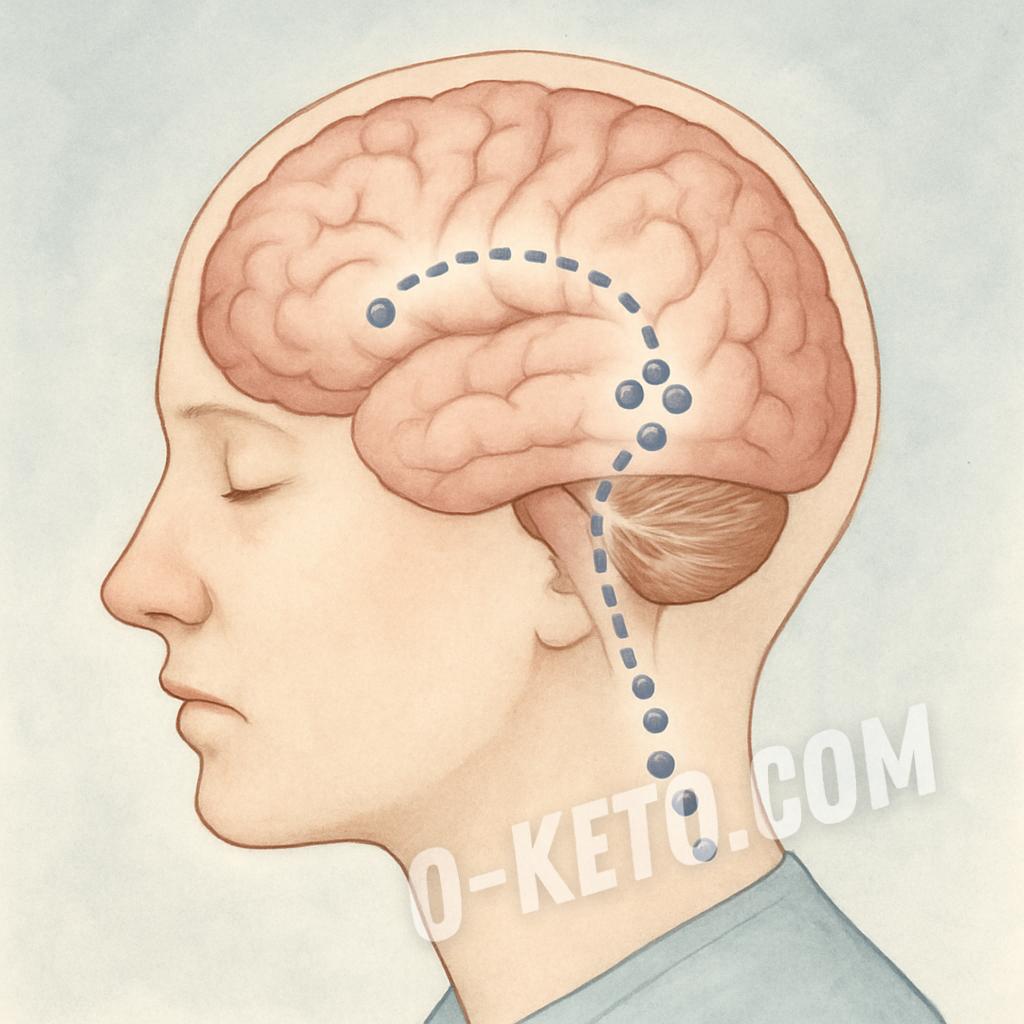
Dopamine deficiency is not an official household label for any low mood, but rather the idea of decreased dopamine activity or insufficient efficiency of dopamine pathways in the brain and nervous system. Dopamine is involved not only in the feeling of pleasure, as is often simplified, but also in motivation, reward learning, initiative, attention, motor activity and the ability to withstand effort for a delayed result. Therefore, problems associated with low dopamine stimulation may include not only apathy, but also a craving for immediate stimuli, loss of motivation, decreased concentration, impulsivity, and difficulty completing tasks.
It is important to understand that “dopamine deficiency” is not defined by one symptom and is not defined by how you feel without context. Similar complaints may occur with depression, exhaustion, sleep deprivation, chronic stress, ADHD-like conditions, hypothyroidism, iron deficiency, burnout, excessive use of stimulants and other reasons. However, the dopamine system does play an important role in how a person feels motivated, interested, and able to engage in activities.
What may suggest low dopamine activity?
Often people describe the condition as a lack of drive, initiative and internal fuel. It is difficult to start a business, it is difficult to maintain attention on boring tasks, interest in long projects is quickly lost, and the craving for quick rewards like sweets, endless feed, shopping or other easy incentives increases. Sometimes this is accompanied by irritability, impulsiveness, poor tolerance of monotonous work and the feeling that the brain is constantly looking for a quick way to “tweak” itself from the outside.
For some people, low motivation is combined with fatigue and decreased pleasure, for some, on the contrary, with internal fussiness and the inability to stay on one action. This once again shows that the dopamine theme itself is more complex than the everyday image of the “hormone of joy.” We are talking about a system for regulating effort, reward and switching attention, and not just about pleasure as such.
What affects the dopamine system
Dopamine regulation is affected by sleep, stress, nutrition, iron levels, chronic fatigue, physical activity, hormonal levels and the frequency of strong artificial stimuli. When a person sleeps poorly, lives in a constant state of overload, eats irregularly, and simultaneously overloads the system with quick rewards, the brain gradually becomes less responsive to normal everyday stimuli. Then you get the feeling that without caffeine, sweets, novelty, or a constant change of tasks, it is difficult to maintain a normal level of involvement.
We also need to remember about medical reasons. For example, iron deficiency can impair dopaminergic transmission, and some neurological and psychiatric conditions are directly related to the functioning of the dopamine system. Therefore, the word “dopamine” itself should not turn into a pseudo-diagnosis without a real assessment of the background.
Why it’s important not to self-diagnose too harshly
Conditions that a person calls “dopamine deficiency” may actually be depression, anxiety, sleep disorders, attention deficit disorder, hormonal problems, or general overload of the body. If you simply prescribe yourself stimulants or endlessly search for “dopamine” supplements, it is easy to miss the real cause. It is more useful to ask not only “how to increase dopamine,” but also why the motivation and attention system has fallen into such a state in the first place.
It is especially important to pay attention to a combination of complaints: loss of motivation, decreased pleasure, problems with concentration, sudden cravings for quick stimuli, emotional burnout and chronic fatigue. Such a profile requires a holistic view, not just a fancy one-word explanation.
What usually helps
In practice, sleep patterns, predictable protein meals, moderate physical activity, reducing constant stimulation, mindfulness work, and creating an environment where the brain doesn’t need to live solely on quick rewards are helpful. For some people, medical assessment of deficiencies, thyroid gland, depressive and anxiety symptoms is also significant. Nutritional interventions are sometimes discussed as part of support, but they work best in the context of an overall strategy rather than as a stand-alone magic motivation button.
The topic of dopamine is useful when it helps to understand the mechanisms of motivation and overload, and not when it becomes a superficial label for all cases of apathy and procrastination. If a person sees that the ability to engage in life has noticeably sagged, it is wiser to look for the roots of the problem systematically. It is this approach that usually allows you not just to temporarily stimulate yourself, but to return sustainable interest, attention and the ability to make long-term effort.
If you have any questions about the term "Low dopamine activity", you can ask them to AI. Please note, a low-cost OpenAI model is used. It may answer questions about disease treatment with errors!


