


Thyroid gland
An endocrine gland that produces T4 and T3 hormones, regulating metabolic rate, temperature, heart rate, gut function, brain function, reproduction, and energy.
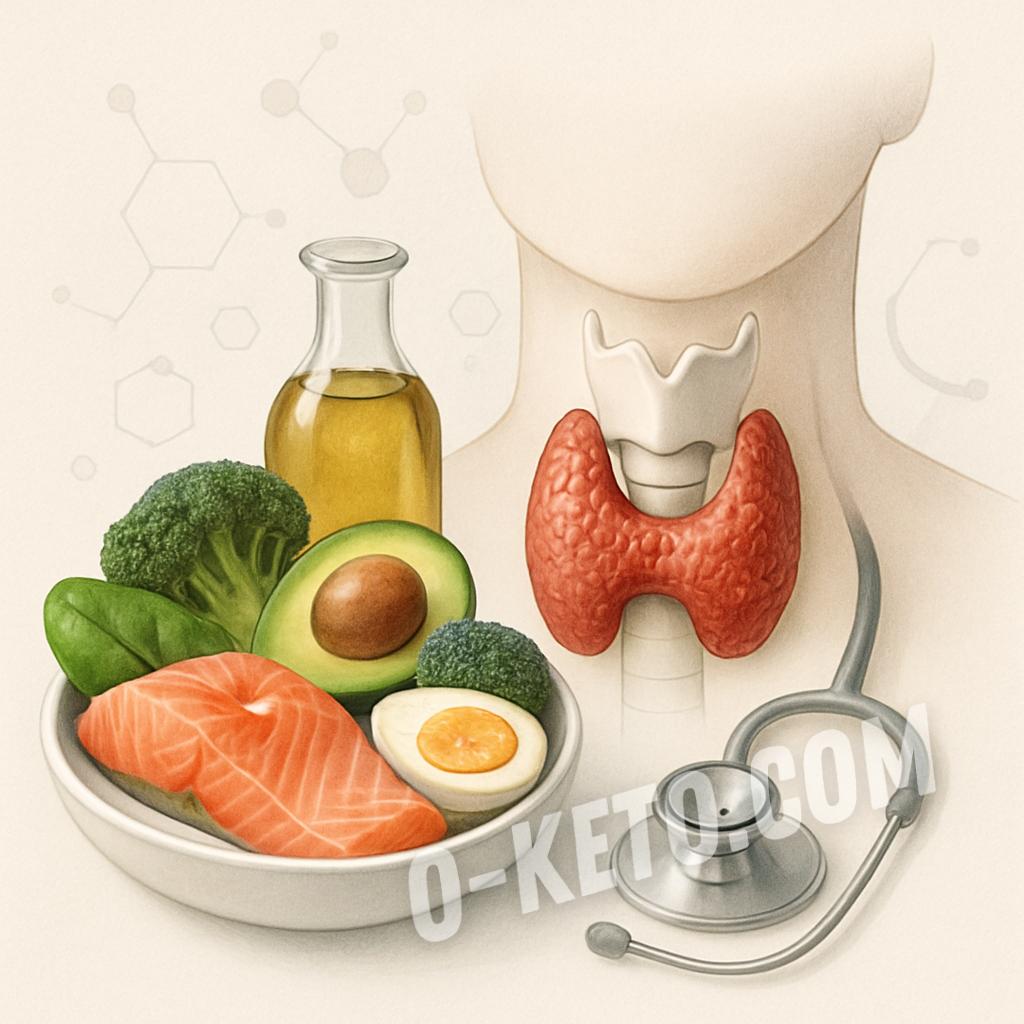
The thyroid gland is an endocrine gland located at the front of the neck. It produces thyroid hormones, mainly thyroxine T4 and triiodothyronine T3. These hormones influence metabolic rate, body temperature, heart rate, bowel function, brain function, skin, hair, reproductive function, and energy. Thyroid disorders can therefore feel like general fatigue while affecting many systems at once.
Hormone synthesis requires iodine, while conversion of T4 into the more active T3 depends on selenium, iron, zinc, protein, liver function, gut function, and energy status. The thyroid does not work in isolation. It is influenced by the pituitary, hypothalamus, stress, inflammation, infections, pregnancy, medications, nutrient deficiencies, and rapid weight loss. One symptom rarely identifies the exact cause.
Hypothyroidism means insufficient thyroid hormone action. It may cause cold intolerance, sleepiness, swelling, constipation, dry skin, hair loss, weight gain, high cholesterol, slow pulse, low mood, and menstrual changes. In many countries, the most common cause is Hashimoto’s autoimmune thyroiditis. Similar symptoms can also occur with iron deficiency, B12 deficiency, poor sleep, depression, and inadequate calorie intake.
Hyperthyroidism means excessive thyroid hormone action. It can cause palpitations, anxiety, sweating, weight loss, tremor, frequent stools, insomnia, muscle weakness, and heat intolerance. Possible causes include Graves’ disease, toxic nodules, thyroiditis, excessive thyroid medication, or excess iodine. Marked palpitations, chest pain, severe weakness, or rapid worsening require medical evaluation.
Thyroid tests should be interpreted together. TSH reflects the pituitary signal, free T4 shows availability of the main hormone, free T3 may help assess peripheral conversion in some cases, and antibodies to TPO and thyroglobulin are useful in autoimmune disease. Ultrasound shows structure, nodules, and signs of inflammation, but it does not replace hormone testing. A normal result in one marker does not always explain all symptoms.
Thyroid nodules are common, especially with age, and most are benign. A nodule should be evaluated by ultrasound features, size, change over time, TSH, and sometimes fine-needle biopsy. The presence of a nodule does not automatically mean cancer or urgent surgery. At the same time, a rapidly growing nodule, hoarseness, swallowing difficulty, or enlarged lymph nodes should not be ignored.
Pregnancy changes thyroid requirements. Iodine needs rise, binding proteins change, and women already taking levothyroxine may need dose adjustment. Low thyroid hormone availability during pregnancy matters not only for the mother’s well-being but also for fetal development. Planning pregnancy with known thyroid disease is therefore best done before conception rather than after symptoms appear.
Nutrition matters, but it is not a simple thyroid switch. Too few calories, very low protein, iron deficiency, selenium deficiency, zinc deficiency, iodine deficiency, and low vitamin D can worsen the hormonal picture. On the other hand, excess iodine from supplements or seaweed can aggravate autoimmune thyroid problems in susceptible people. High-dose iodine should not be used casually without knowing the context.
Keto and LCHF can affect thyroid markers differently. Some people see lower T3 on a low-carbohydrate diet, especially with calorie deficit and rapid weight loss. This is not always disease; the body may be reducing energy expenditure. But if low T3 comes with cold intolerance, hair loss, weakness, constipation, menstrual changes, and poor performance, food intake, iron, stress, sleep, and thyroid tests should be reviewed.
People taking levothyroxine need to pay attention to absorption. The medication is usually taken away from food, coffee, iron, calcium, magnesium, fiber, and certain drugs because these can reduce absorption. Major weight change, pregnancy, menopause, stomach disease, and intestinal disease can change dose needs. Adjusting the dose based only on feelings can be risky.
Autoimmune thyroiditis is not treated by removing one food for everyone. Avoiding gluten may help when celiac disease or clear intolerance is present, but it is not a universal thyroid rule. The broader pattern matters more: an anti-inflammatory diet, adequate protein, sleep, correction of deficiencies, stress control, and follow-up testing. Very restrictive diets can backfire when they create energy and nutrient deficits.
In practice, thyroid support starts with accurate diagnosis. Symptoms, TSH, free T4, sometimes free T3, antibodies, ferritin, B12, vitamin D, lipids, glucose, and medication review may all matter. The diet should provide protein, seafood or another reasonable iodine source, selenium from food, iron when indicated, and enough energy. The thyroid responds better to a stable metabolic foundation than to extreme hacks.
If you have any questions about the term "Thyroid gland", you can ask them to AI. Please note, a low-cost OpenAI model is used. It may answer questions about disease treatment with errors!


