


Spleen
This immune and blood-filtering organ helps respond to infections, remove old red blood cells, and store some blood cells. Diet does not directly “heal the spleen,” while anemia, infections, liver disease, trauma, and absence of the spleen require medical attention.
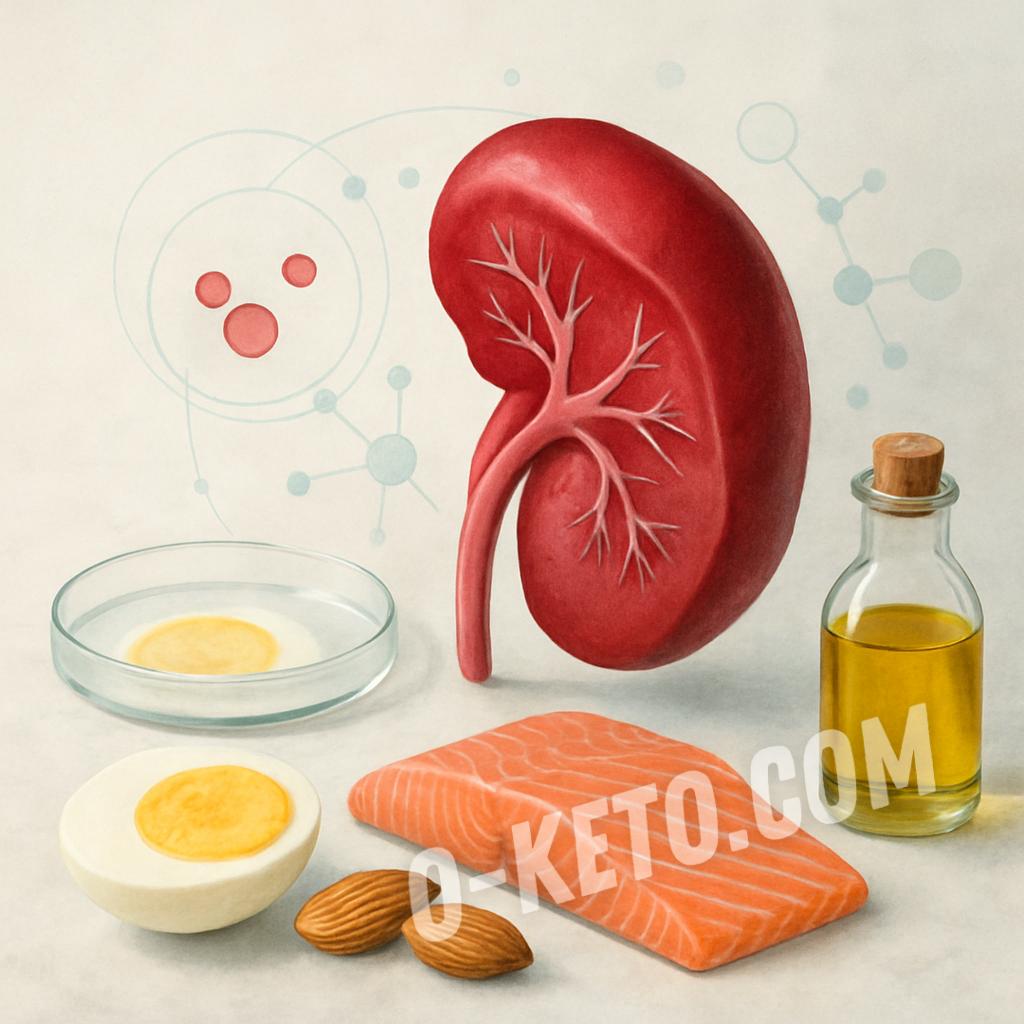
The spleen is an organ in the upper left abdomen, under the ribs. It belongs to the lymphatic and immune systems, filters blood, helps recognize infections, removes old or damaged red blood cells, and manages part of the blood cell reserve. Inside the spleen, white pulp is involved in immune reactions, while red pulp filters blood. The spleen is therefore not a digestive organ, although problems with it may sometimes feel like abdominal discomfort.
Unlike the liver or pancreas, the spleen cannot be supported by a specific diet or cleanse. Its condition is more often connected with infections, blood disorders, liver disease and portal hypertension, autoimmune processes, trauma, tumors, and inherited red blood cell disorders. An enlarged, painful, or removed spleen is a medical issue, not a reason for unsupervised herbal protocols.
What the spleen does
One major function of the spleen is blood filtration. It helps remove old red blood cells, damaged cells, and some microorganisms. Splenic macrophages process blood components, and iron from broken-down red cells can be reused. The spleen also participates in immune responses to bacteria, especially encapsulated organisms.
This is why absence of the spleen or markedly reduced spleen function increases the risk of severe infections. After splenectomy, people usually need specific vaccinations, medical identification, sometimes antibiotics when indicated, and rapid action when fever appears. A person without a spleen should not treat a high fever as just an ordinary cold.
Enlarged spleen
An enlarged spleen is called splenomegaly. It can occur with viral infections, liver disease, portal hypertension, blood disorders, autoimmune disease, and some cancers. A person may feel heaviness under the left ribs, early fullness because of pressure on the stomach, or pain. Often, however, enlargement is found incidentally on ultrasound.
With splenomegaly, abdominal trauma should be avoided because the enlarged spleen is more vulnerable. Contact sports and heavy loads should be discussed with a clinician. Enlargement itself does not explain the cause. Blood tests, liver markers, infection testing, ultrasound, and sometimes additional studies may be needed. Diet can support general health, but it does not replace diagnosis.
Nutrition, blood, and immunity
Nutrition affects blood and immunity through protein, iron, B12, folate, copper, zinc, vitamin C, vitamin D, omega-3 fats, and energy intake. With anemia or abnormal red blood cells, the cause matters: iron deficiency, B12 deficiency, folate deficiency, hemolysis, chronic inflammation, liver disease, or bone marrow disease. The spleen may participate in blood cell destruction, but treatment depends on the diagnosis.
A low-carbohydrate diet can be acceptable for a person with normal spleen function if it provides enough protein, minerals, and vitamins. Meat, fish, eggs, liver in reasonable amounts, greens, vegetables, tolerated berries, and quality fats can help cover nutrients. With liver disease, significant anemia, cancer, or after surgery, nutrition should be adjusted to the clinical situation.
When urgent help is needed
Urgent help is needed for strong pain under the left ribs after trauma, pain radiating to the left shoulder, weakness, pallor, falling blood pressure, fainting, high fever after splenectomy, unexplained weight loss, night sweats, severe anemia, or sudden changes in blood tests. Splenic rupture and severe infections after splenectomy can be life-threatening.
A practical approach is calm and concrete: do not try to cleanse the spleen, but understand its role in blood and immunity. If the spleen is healthy, no special diet is needed. If there is enlargement, removal, anemia, infection risk, or blood disease, nutrition is only one part of care; diagnosis, vaccination when indicated, blood monitoring, and timely treatment matter more.
After spleen removal, prevention becomes especially important. Vaccination against pneumococcus, meningococcus, Haemophilus influenzae type b, and yearly influenza vaccination are commonly discussed, along with a clear plan for fever. The exact schedule depends on country, age, and vaccination history. This is not a cosmetic recommendation: without a spleen, some bacterial infections can progress quickly, so the person should know the risks in advance.
If you have any questions about the term "Spleen", you can ask them to AI. Please note, a low-cost OpenAI model is used. It may answer questions about disease treatment with errors!


