


Pancreas
This organ produces digestive enzymes and hormones that regulate glucose, appetite, and metabolism. In nutrition, the key issues are not vague pancreas support, but fat and protein tolerance, signs of enzyme insufficiency, pancreatitis risk, and blood glucose control.
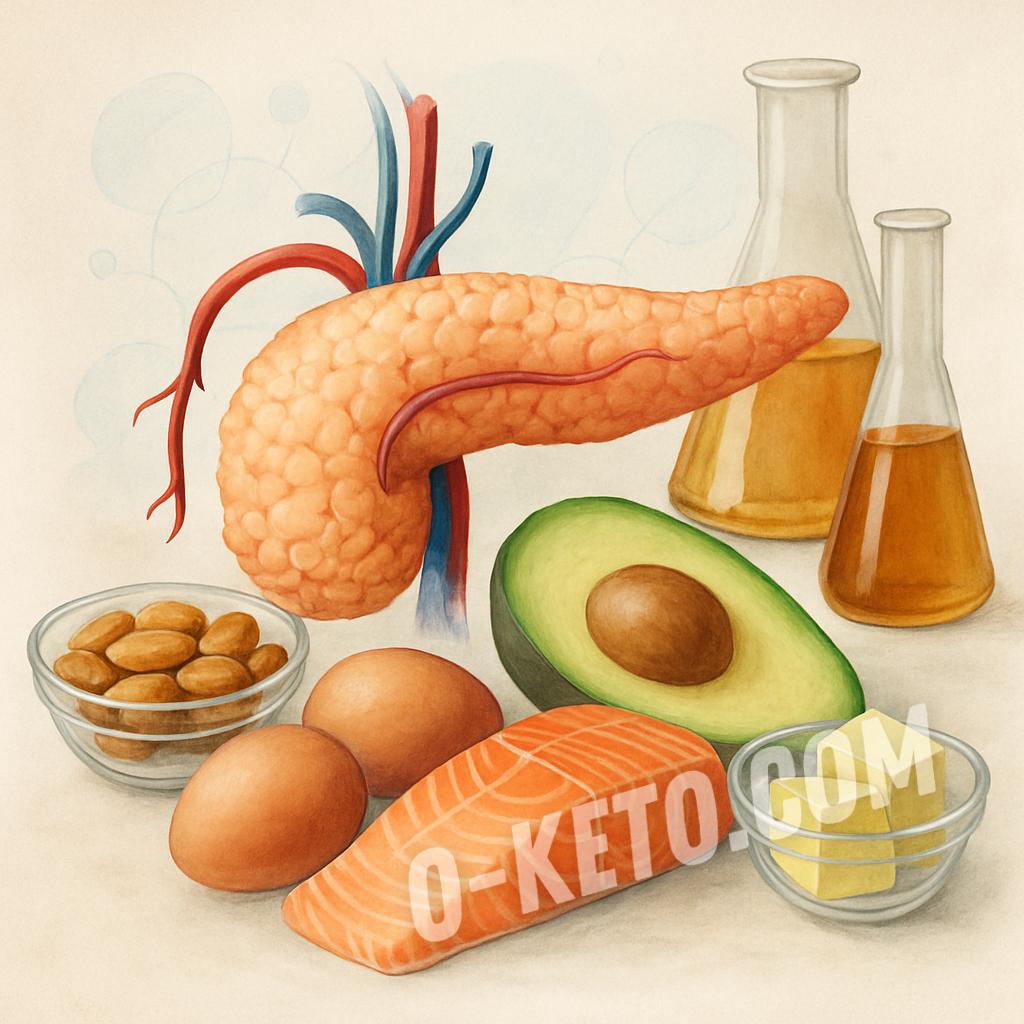
The pancreas has two different but connected functions. Its exocrine part releases enzymes for digesting proteins, fats, and carbohydrates, while its endocrine part produces hormones such as insulin, glucagon, somatostatin, and pancreatic polypeptide. Any discussion of pancreatic health should therefore separate digestion from blood glucose regulation, appetite signaling, and energy metabolism.
Common advice often mixes these levels. Heaviness after a fatty meal does not prove a weak pancreas, elevated glucose does not mean a lack of digestive enzymes, and upper abdominal pain should not be treated with random enzyme capsules before diagnosis. The pancreas is affected by alcohol, gallstones, very high triglycerides, some medications, smoking, trauma, inherited factors, and inflammatory disease. Misreading symptoms can be dangerous.
Enzymes and digestion
Pancreatic enzymes enter the small intestine and help break down food. Proteases digest proteins, lipase digests fats, and amylase digests starches. Normal fat digestion requires not only lipase but also bile, so symptoms after fatty food may come from the gallbladder, liver, intestine, or from increasing dietary fat too quickly. One symptom alone cannot identify the exact source.
Marked exocrine pancreatic insufficiency may cause oily or shiny stool, poor weight gain or weight loss, deficiency of fat-soluble vitamins, bloating, foul-smelling stool, and poor tolerance of fatty meals. In such cases enzyme replacement may be necessary, but the need and dose should be decided medically. Taking enzymes just in case can mask symptoms and delay proper evaluation.
Hormones and blood glucose
The endocrine pancreas regulates glucose and energy availability. Insulin helps cells use and store nutrients, while glucagon keeps energy available between meals. In insulin resistance, the pancreas often has to produce more insulin to keep blood glucose normal. Over time, beta-cell reserve may decline in some people, and glucose begins to rise.
Low-carbohydrate nutrition can reduce glycemic load and insulin demand, which is why it is used in insulin resistance and type 2 diabetes. But when diabetes medication or insulin is involved, dietary change requires caution because hypoglycemia can appear quickly. In type 1 diabetes, pancreatogenic diabetes, pregnancy, and after pancreatitis, unsupervised experimentation is especially risky.
Pancreatitis and warning signs
Acute pancreatitis is a serious condition, not a problem solved by an online diet tip. Common causes include gallstones, alcohol, very high triglycerides, some medications, and medical procedures. Severe upper abdominal pain radiating to the back, repeated vomiting, fever, marked weakness, low blood pressure, or jaundice requires urgent medical care.
Chronic problems may be less dramatic: repeated pain after meals, weight loss, oily stool, nutrient deficiencies, and worsening glucose control. If these signs are present, diet should be combined with evaluation. Depending on the case, clinicians may assess history, lipase and amylase, liver markers, triglycerides, glucose, HbA1c, ultrasound, CT, MRI, and fecal elastase when enzyme insufficiency is suspected.
Nutrition without myths
The pancreas does not need vague cleansing. It needs avoidance of alcohol when pancreatitis risk is present, triglyceride control, healthy weight, gradual changes in fat intake, enough protein, and treatment of gallstone disease when necessary. In keto and LCHF diets, fat intake often rises, so people who tolerate fatty food poorly should increase it gradually and watch bile response, intestinal symptoms, and general well-being.
If diabetes or diabetes risk is the main issue, glucose, insulin resistance, waist circumference, sleep, physical activity, and food quality become central. If enzyme insufficiency is the issue, fat tolerance, stool pattern, vitamins A, D, E, and K, and medically chosen enzymes matter more. The same organ participates in both problems, but the strategies are different. A precise diagnosis is more useful than universal advice to support the pancreas.
Another common mistake is confusing digestive support with treatment of the organ itself. Bitterness, bloating, or heaviness after meals is not enough to prescribe enzymes, bile-stimulating herbs, or a strict diet. Sometimes the reason is a too-rapid shift toward high-fat meals; sometimes it is gallstones, gastritis, reflux, SIBO, food intolerance, or motility problems. A food diary, stool pattern, pain timing, and links with fat, alcohol, and medications are often more useful than generic protocols.

If you have any questions about the term "Pancreas", you can ask them to AI. Please note, a low-cost OpenAI model is used. It may answer questions about disease treatment with errors!


