


Reticular formation
This brainstem neuronal network helps regulate wakefulness, attention, muscle tone, breathing, cardiovascular responses, and filtering of sensory signals. It cannot be optimized with one supplement; sleep, stress, medications, inflammation, glucose, electrolytes, and neurological disease all matter.
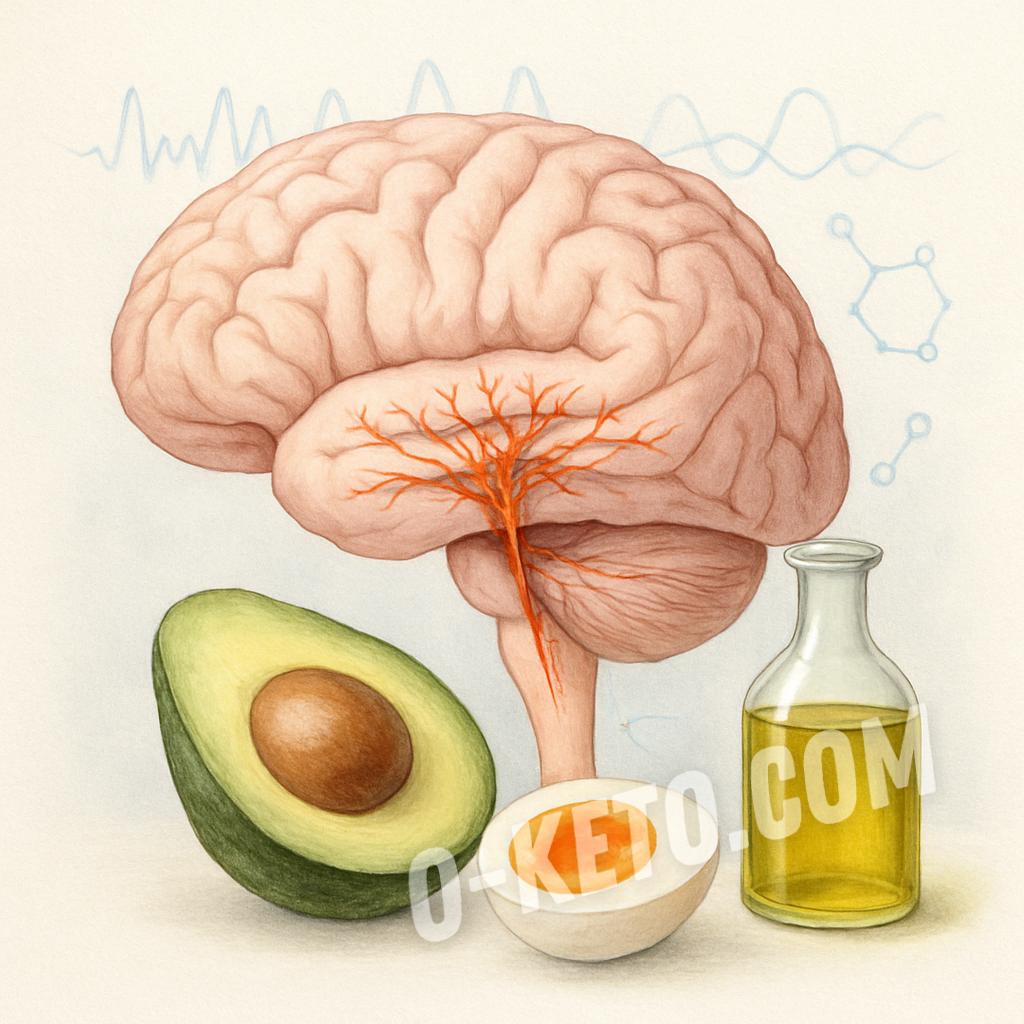
The reticular formation is not a single point in the brain, but a network of neurons in the brainstem that extends through the medulla, pons, and midbrain. It connects with the cortex, thalamus, cerebellum, spinal cord, autonomic nervous system, and many sensory pathways. It is often described as a wakefulness and attention system, but its role is broader. It helps maintain brain activation, muscle tone, breathing, cardiovascular responses, pain processing, and filtering of signals that reach consciousness.
In practical terms, the reticular formation is not an energy center that can be switched on with caffeine or a supplement. It is part of a complex neural network. If a person has constant sleepiness, brain fog, poor concentration, blood pressure swings, anxious alertness, or sleep disruption, the cause may involve sleep, stress, medications, thyroid function, anemia, glucose, electrolytes, inflammation, sleep-disordered breathing, depression, neurological disease, or trauma.
Wakefulness and attention
One key function of the reticular formation is maintaining wakefulness. Through the ascending reticular activating system, signals from the brainstem influence the thalamus and cortex, helping the brain shift from sleep to wakefulness and maintain attention. This is not the same as motivation or willpower. A person may want to be productive, but sleep deprivation, illness, sedating medications, or sleep apnea can weaken the activation system.
Excessive alertness can also be a problem. With chronic stress, anxiety, pain, too many stimulants, or poor recovery, the brain may remain in a heightened state of readiness. Then it becomes hard to relax, fall asleep, or tolerate noise, light, and bodily sensations. In such a state, trying to push energy with more caffeine often increases overload rather than solving it.
Autonomic regulation and the body
The reticular formation participates in regulating breathing, heart rhythm, vascular tone, and basic reflexes. Through connections with the spinal cord, it affects muscle tone and postural reactions. Brainstem injury, severe infection, intoxication, traumatic brain injury, stroke, and some drugs can therefore alter consciousness, breathing, blood pressure, and motor responses. This is a neurological and emergency medicine issue, not a nutrition issue.
In everyday life, the system is connected with how a person responds to stress, pain, fatigue, and sensory load. When sleep is poor, the body is dehydrated, electrolytes are low, glucose swings, or the nervous system is constantly in threat mode, the brain receives more danger signals. This can intensify fatigue, irritability, muscle tension, and the feeling of being overloaded.
Nutrition and low-carb relevance
Low-carbohydrate nutrition can indirectly affect wakefulness through glucose stability, ketone bodies, appetite, sleep, and inflammatory load. Some people feel less daytime sleepiness when sugar and frequent snacking are reduced. Others develop weakness, headache, brain fog, and irritability during the first weeks of keto because sodium, water, magnesium, or total food intake are too low. These symptoms do not mean the reticular formation is broken; more often they reflect adaptation conditions.
Normal brain function depends not only on carbohydrates or ketones, but on the whole internal environment: enough protein, B vitamins, iron, B12, magnesium, sodium, potassium, omega-3 fats, sleep, morning light, movement, and avoidance of alcohol excess. If someone under-eats, fears salt, drinks a lot of coffee, sleeps poorly, and trains without recovery, concentration may worsen even on a theoretically correct diet.
When symptoms need attention
Urgent medical assessment is needed for sudden confusion, loss of consciousness, speech disturbance, limb weakness, a severe new headache, seizures, breathing problems, marked sleepiness after trauma, high fever with altered mental state, or suspected medication overdose. These signs may involve the brainstem or other dangerous conditions, and diet is not the primary issue.
If the problem is chronic, it is better to start with measurable factors: sleep and snoring, blood pressure, glucose, ferritin, B12, vitamin D when indicated, thyroid function, medications, alcohol, caffeine, depression, anxiety, and training load. The reticular formation helps the brain stay awake and select important signals, but supporting it in real life means restoring sleep, nutrition, electrolytes, and diagnosing causes rather than searching for one nootropic.
If you have any questions about the term "Reticular formation", you can ask them to AI. Please note, a low-cost OpenAI model is used. It may answer questions about disease treatment with errors!


