


Ovum
The female reproductive cell that matures within a follicle, ovulates, and carries half of the future embryo’s genetic material; quality is closely tied to age and the maturation environment.
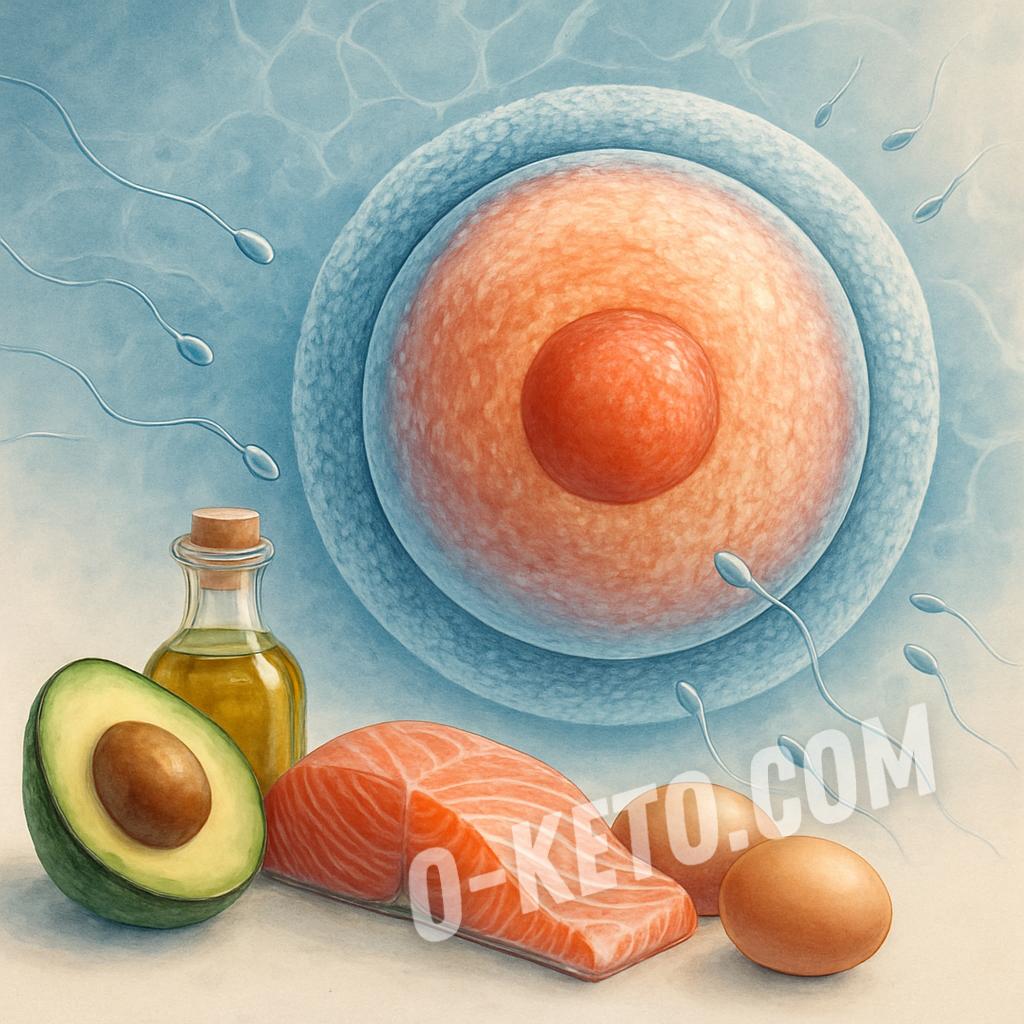
The ovum, or oocyte, is the female reproductive cell that carries half of the genetic material of a future embryo. Unlike sperm, which are produced continuously, a woman’s oocyte supply is formed before birth and gradually declines. In each cycle, several follicles begin to grow, but usually one egg ovulates. Age and the follicular environment therefore matter greatly.
Follicle and Oocyte Maturation
The oocyte develops inside a follicle, surrounded by granulosa cells and follicular fluid, where hormones, nutrients, and ovarian signals act. The follicle is not just a container. It supports oocyte maturation, estradiol production, and preparation for ovulation. When the LH surge occurs, an important stage of maturation is completed, and the egg is released from the ovary into the fallopian tube.
Age and Egg Quality
Egg quality is most strongly linked with age. Over time, the risk of chromosomal errors rises because oocytes remain paused in development for many years and are vulnerable to accumulated damage. This is not a matter of willpower or blame. Nutrition, sleep, and lifestyle can support the maturation environment, but they cannot cancel biological aging of oocytes.
Meiosis and the Fertile Window
Before ovulation, the egg completes an important stage of meiosis, but the process is fully completed only with fertilization. The accuracy of meiosis determines how many chromosomes enter the egg. With age, chromosome-holding and division-control mechanisms become less reliable, so the risk of aneuploidy rises. This is one reason age affects both the chance of pregnancy and the risk of pregnancy loss.
After ovulation, the egg survives for a short time, usually about a day. The fertile window is therefore related not only to ovulation day but also to the fact that sperm can wait in the reproductive tract for several days. For pregnancy planning, understanding ovulation and cycle quality is more useful than simply counting day 14. In long or irregular cycles, ovulation may occur much later.
Mitochondria and Oxidative Stress
Mitochondria are especially important for the egg. Early embryo development requires substantial energy, and the oocyte provides the embryo’s mitochondrial supply. Oxidative stress, inflammation, smoking, alcohol, severe insulin resistance, obesity, and some toxic exposures can worsen the reproductive environment. Promises to improve egg quality in one month usually oversimplify the long process of follicle maturation.
Ovarian Reserve Is Not Egg Quality
Ovarian reserve and egg quality are not the same thing. AMH and antral follicle count help estimate reserve and likely response to stimulation, but they do not fully describe genetic oocyte quality. A young woman may have low AMH and still have a good chance of high-quality eggs. In an older woman, reserve and quality are interpreted differently. These tests should be read with a fertility specialist, not as isolated numbers.
Nutrition, Keto, and LCHF
Nutrition influences the egg through the broader metabolic environment: glucose stability, adequate protein, iron, folate, B12, zinc, iodine, selenium, vitamin D, Omega-3 fats, antioxidant systems, and mitochondrial health. Energy deficiency, harsh dieting, eating disorders, and excessive training can suppress ovulation. On the other hand, obesity, insulin resistance, and chronic inflammation can also impair fertility.
Keto and LCHF may help women with insulin resistance, PCOS, and marked glucose swings by improving the metabolic environment. But when pregnancy is being planned, a low-carbohydrate diet should be nourishing rather than extreme: enough protein, greens, minerals, folate, B12, iodine, selenium, and energy. If the cycle disappears or becomes chaotic, that is not a sign of perfect fat burning; it is a signal to reassess the strategy.
Supplements and Practical Support
Supplements marketed for egg quality often include CoQ10, myo-inositol, Omega-3, vitamin D, folate, and antioxidants. Some can be appropriate in specific situations, but they do not guarantee pregnancy and do not replace diagnosis. With PCOS, endometriosis, low ovarian reserve, repeated pregnancy loss, or age over 35, time should not be lost on random protocols without specialist evaluation.
In practice, egg health is supported not by one secret nutrient but by the environment: sleep, not smoking, moderate alcohol intake, glucose control, healthy body composition, adequate nutrition, correction of deficiencies, and timely reproductive assessment. The ovum is a cell with a long biological history, so fertility care should be realistic, gentle, and connected to age, cycle, and medical context.
IVF and Oocyte Assessment
In IVF, clinicians assess not only the number of retrieved oocytes but also maturity, fertilization, embryo development, and, when indicated, chromosomal status. Even a good stimulation protocol cannot create new eggs; it helps retrieve follicles available in that cycle. Strategy depends on age, reserve, infertility cause, partner sperm, and time, not only on supplements.
If you have any questions about the term "Ovum", you can ask them to AI. Please note, a low-cost OpenAI model is used. It may answer questions about disease treatment with errors!


