


Oxidative stress
A state in which production of reactive oxygen species exceeds antioxidant and repair capacity. It is not always harmful: small oxidative signals are needed for adaptation, but chronic excess can damage cells and tissues.


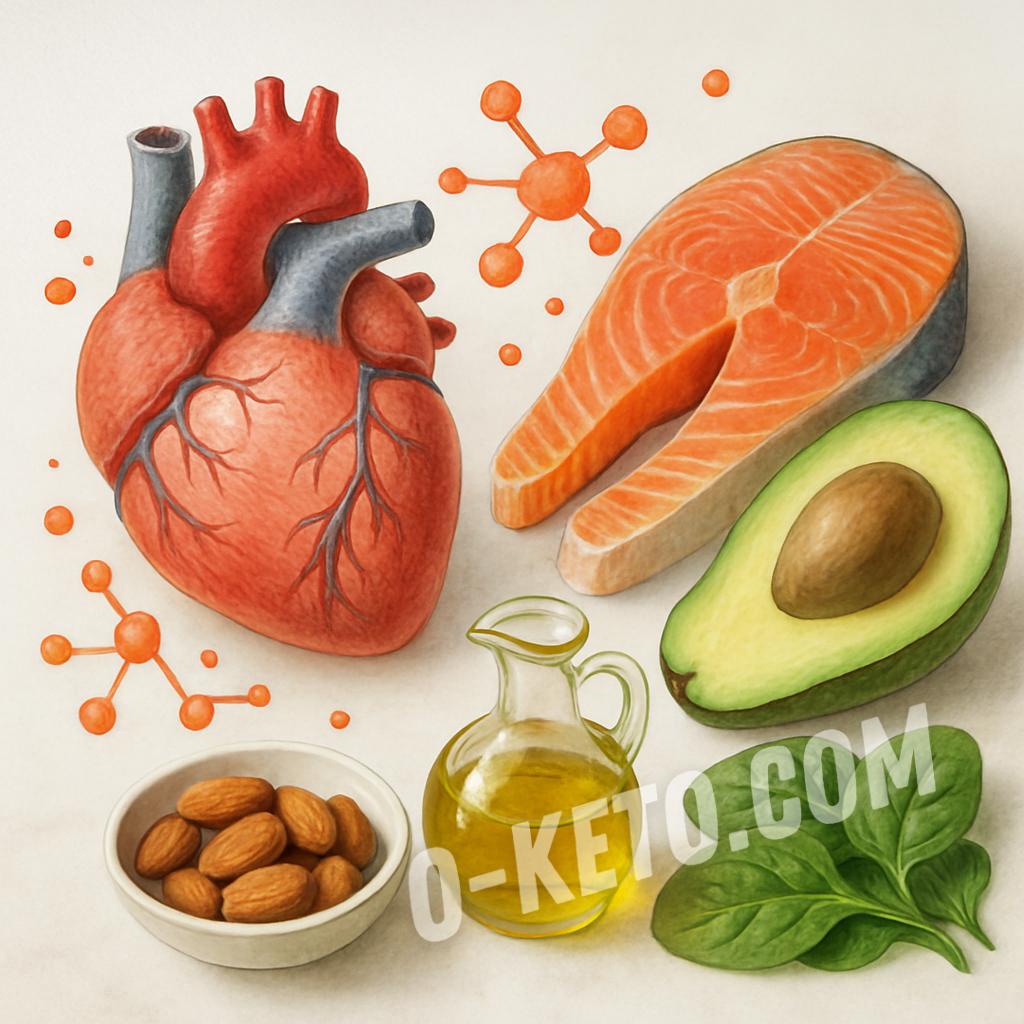
Oxidative stress is a state in which production of reactive oxygen and nitrogen species exceeds the capacity of antioxidant systems, repair and adaptation. Reactive oxygen species are not absolute enemies: in small amounts they are needed for immune defense, cell signaling, training adaptation and mitochondrial function. The problem begins when production is too high or protection is too weak.
The body constantly produces reactive molecules in mitochondria, immune cells, the liver, vessels and other tissues. Under normal conditions they are balanced by glutathione, superoxide dismutase, catalase, peroxidases, vitamins, minerals and repair systems. Oxidative stress does not come from one molecule; it comes from imbalance between load and recovery capacity.
What increases oxidative load
Chronic high glucose, insulin resistance, smoking, alcohol, air pollution, infections, inflammation, excess visceral fat, sleep deprivation, ultra-processed food, low protein intake, overheating, radiation, toxins and excessive training without recovery can all increase reactive molecule production. Several factors often add up.
Glucose is especially important. Chronically elevated blood sugar increases glycation, vascular injury, mitochondrial overload and inflammatory pathways. Glucose control in diabetes and insulin resistance is therefore not only about a blood sugar number; it also reduces oxidative and vascular damage.
Antioxidant systems
The body’s main protective systems depend on nutrients. Glutathione requires amino acids, especially cysteine, glycine and glutamate. Superoxide dismutase depends on zinc, copper and manganese, while glutathione peroxidase depends on selenium. Vitamins C and E, carotenoids, polyphenols and other food compounds also support defense, but they do not work in isolation.
The idea that more antioxidants are always better is wrong. Very high doses of single antioxidants may blunt training adaptation, alter redox signaling or be harmful in specific groups. For example, large doses of synthetic beta-carotene are undesirable for smokers. Food with diverse nutrients is usually safer than an aggressive supplement stack without a clear goal.
Keto, LCHF and mitochondria
Low-carbohydrate nutrition can reduce oxidative load in people with hyperglycemia when it improves glucose, triglycerides, body weight and inflammation. Fewer sugar spikes mean less activation of some pathways linked with glycation and metabolic stress. But the word keto does not guarantee antioxidant protection.
If the diet is poor in vegetables, greens, protein, minerals and Omega-3 fats while the person sleeps poorly, smokes and constantly overeats fat, oxidative balance will not become healthy just because carbohydrates are low. A good LCHF diet should include nutrient-dense foods: fish, eggs, meat, tolerated liver, greens, vegetables, olive oil, fermented foods and enough minerals.
Training and hormesis
Exercise temporarily increases reactive molecule production, but this moderate stress triggers adaptation: mitochondrial resilience grows, antioxidant defenses improve and insulin sensitivity rises. Not every oxidative signal should be suppressed immediately. The body needs controlled stress signals.
Problems begin with overtraining, sleep deprivation, calorie deficit, low protein and poor recovery. Then training does not strengthen adaptation; it adds damage. Symptoms may include constant fatigue, falling performance, frequent infections, irritability, poor sleep and pain that does not resolve.
The immune system also uses reactive oxygen species as weapons against microbes and as inflammatory signals. Completely suppressing oxidative reactions would therefore be harmful. The goal is not to erase all free radicals, but to reduce chronic excess while preserving normal protective responses.
Practical conclusion
Oxidative stress is best reduced by addressing causes: normalize glucose, avoid smoking, treat inflammation and infections, sleep, move, get enough protein, minerals, vegetables and healthy fats. Supplements can help with specific deficiencies or goals, but they do not replace the basic environment.
With chronic fatigue, pain, worsening vascular markers, diabetes, autoimmune disease, liver disease or kidney disease, oxidative stress should not be treated blindly with a pile of antioxidants. The source of the load should be investigated together with neighboring factors: glucose, inflammation, nutrition, sleep, medications, toxins and organ function.
If you have any questions about the term "Oxidative stress", you can ask them to AI. Please note, a low-cost OpenAI model is used. It may answer questions about disease treatment with errors!


