


Thrombolytics
Are medications used to dissolve already formed blood clots that obstruct blood flow in arteries or veins. They are used in acute ischemic conditions when rapid restoration of blood supply can preserve tissue viability and reduce the risk of severe consequences.
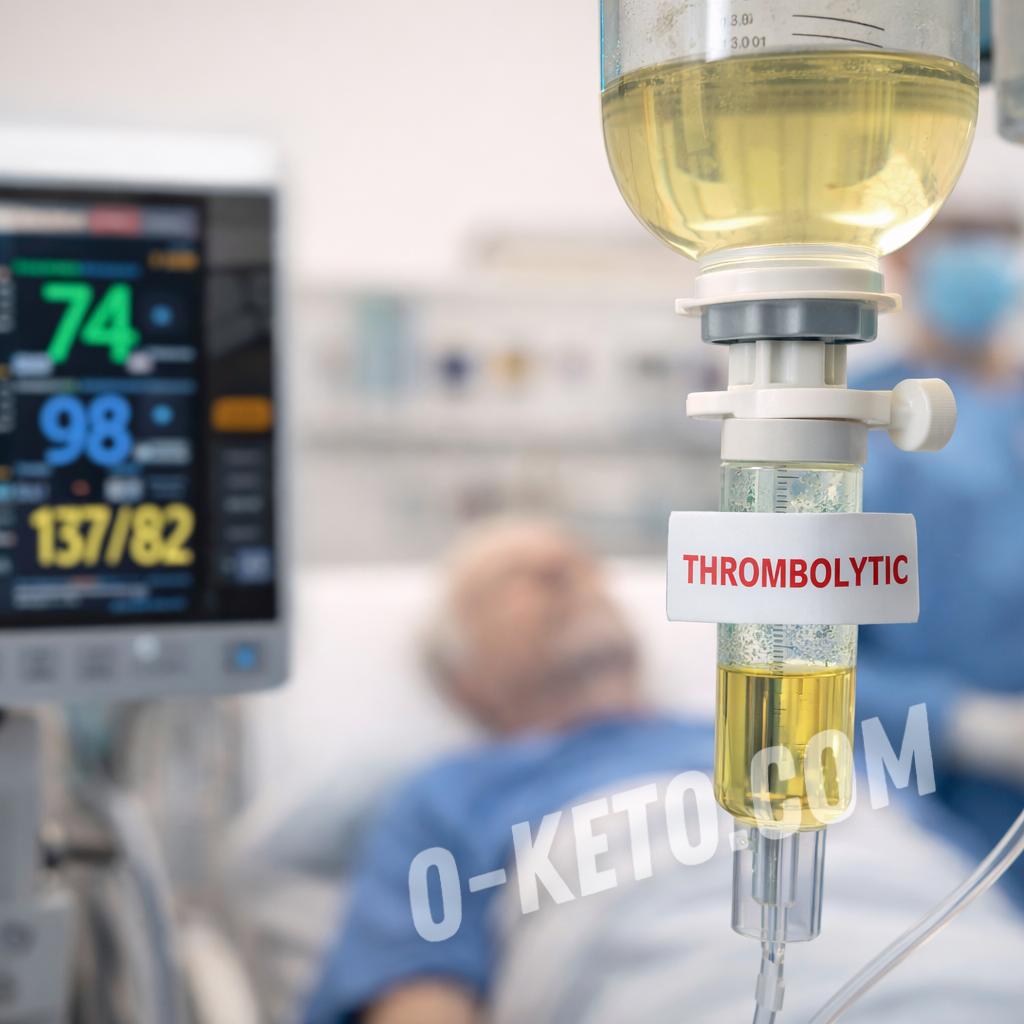
Thrombolytics — are medications used to dissolve already formed blood clots that obstruct blood flow in arteries or veins. They are used in acute ischemic conditions when rapid restoration of blood supply can preserve tissue viability and reduce the risk of severe consequences. Unlike anticoagulants, which reduce the likelihood of new clot formation, thrombolytics act directly on the existing clot, accelerating the b…
Thrombolytics is useful when placed in the context of nutrition, metabolism, prevention, and real life. It is not just a word, but a clue for more informed decisions.
What It Means
Thrombolytics may describe a process, method, compound, group of compounds, condition, or dietary approach. The exact meaning depends on whether it appears in testing, food, diagnosis, or research.
Context matters. The same term can have everyday, medical, biochemical, or nutrition-specific meanings.
Why It Matters
The practical value is that thrombolytics can clarify links between food, metabolism, symptoms, and long-term risk. It may influence diet choices, tests, or questions for a specialist.
At the same time, a new term should not automatically create anxiety. Dose, frequency, individual tolerance, and evidence matter.
Connection With Nutrition
Diet can influence many processes through glucose, insulin, protein, fatty acids, microbiota, vitamins, minerals, and inflammatory signaling.
Keto and LCHF can change some of these processes, but they do not replace the basics: adequate protein, nutrient density, electrolytes, sleep, movement, and medical context.
When To Pay Attention
Thrombolytics matters more when it is connected with repeated symptoms, chronic disease, changed tests, medication use, restrictive diets, or sudden changes in weight and energy.
If the topic involves pregnancy, hormones, heart, kidneys, liver, or medication therapy, personal medical interpretation is important.
Practical Meaning
The best use of thrombolytics is as a prompt: what to observe, what to check, what foods to keep, and what to limit.
Start with context and the basics, then make targeted decisions. This helps avoid extremes and makes nutrition more useful in real life.
If you have any questions about the term "Thrombolytics", you can ask them to AI. Please note, a low-cost OpenAI model is used. It may answer questions about disease treatment with errors!


 1 / 4
1 / 4

 1 / 4
1 / 4 1 / 4
1 / 4 1 / 4
1 / 4 1 / 4
1 / 4 1 / 4
1 / 4