


Sugar addiction
Sugar dependence is a functional and metabolic condition in which regular sugar consumption creates a persistent craving, disrupts appetite regulation, and affects the functioning of the nervous and endocrine systems.


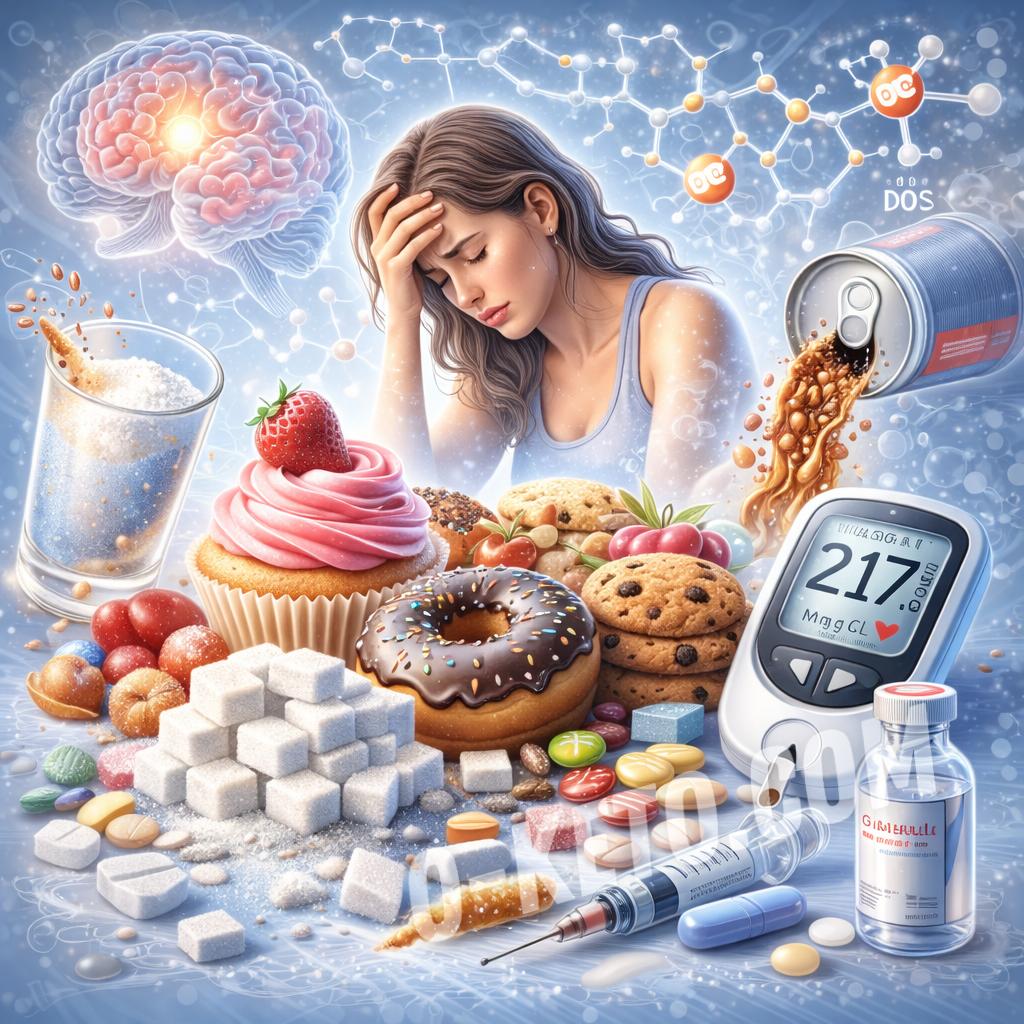
Sugar dependence is a functional and metabolic condition in which regular sugar consumption creates a persistent craving, disrupts appetite regulation, and affects the functioning of the nervous and endocrine systems.
In modern diets, sugar is present not only in sweets but also in sauces, convenience foods, and processed products, making the problem particularly widespread and often unrecognized.
Causes of Sugar Dependence
The development of sugar dependence is associated with a combination of neurochemical, hormonal, and behavioral factors:
- stimulation of the dopamine reward system when consuming sugar;
- sharp fluctuations in blood glucose and insulin levels;
- deficiency of proteins, fats, and micronutrients in the diet;
- chronic stress and high cortisol levels;
- cultural and dietary habits formed from childhood.
Frequent sugar consumption reduces the sensitivity of dopamine receptors, requiring more sweets to achieve the same effect.
Mechanisms of Sugar’s Impact on the Body
Sugar affects not only glucose levels but also appetite and mood regulation:
- causes a rapid rise in glucose followed by a sharp drop;
- stimulates insulin release and contributes to insulin resistance;
- affects hunger and satiety hormones;
- intensifies inflammatory processes;
- disrupts energy metabolism at the cellular level.
Against the backdrop of these processes, a vicious cycle forms: fatigue and decreased energy increase the craving for sugar.
Symptoms of Sugar Dependence
Manifestations can be both psychological and physical:
- constant desire for sweets regardless of hunger;
- irritability and anxiety when refraining from sugar;
- difficulties in controlling portions and frequency of consumption;
- mood swings and decreased concentration;
- headaches, weakness, and fatigue when reducing sugar intake.
Consequences of Chronic Excess Sugar
Prolonged overeating of sugar has a systemic impact on health:
- weight gain and abdominal obesity;
- development of insulin resistance and type 2 diabetes;
- increased risk of cardiovascular diseases;
- disruption of gut microbiota;
- worsening of skin, teeth, and gum health.
Approaches to Reducing Sugar Dependence
Addressing sugar dependence requires a comprehensive approach:
- gradual reduction of added sugar without sharp restrictions;
- increasing the proportion of protein and healthy fats in the diet;
- normalizing eating and sleeping patterns;
- including regular physical activity;
- working on stress and emotional overeating.
It is important to consider that abruptly quitting sugar may temporarily intensify symptoms, so changes should be gradual.
Conclusion
Sugar dependence is not a weakness of will but a result of biochemical and hormonal disruptions supported by modern dietary habits.
A conscious approach to diet, restoring metabolic balance, and forming sustainable habits can gradually reduce the craving for sweets and improve overall health.

If you have any questions about the term "Sugar addiction", you can ask them to AI. Please note, a low-cost OpenAI model is used. It may answer questions about disease treatment with errors!


 1 / 4
1 / 4
 1 / 4
1 / 4 1 / 4
1 / 4

 1 / 4
1 / 4 1 / 4
1 / 4 1 / 4
1 / 4