


NSAID
NSAIDs, or non-steroidal anti-inflammatory drugs, are a group of medications that reduce pain, fever, and inflammation without the action of steroid hormones. These include ibuprofen, naproxen, diclofenac, ketoprofen, acetylsalicylic acid, and a number of other agents.
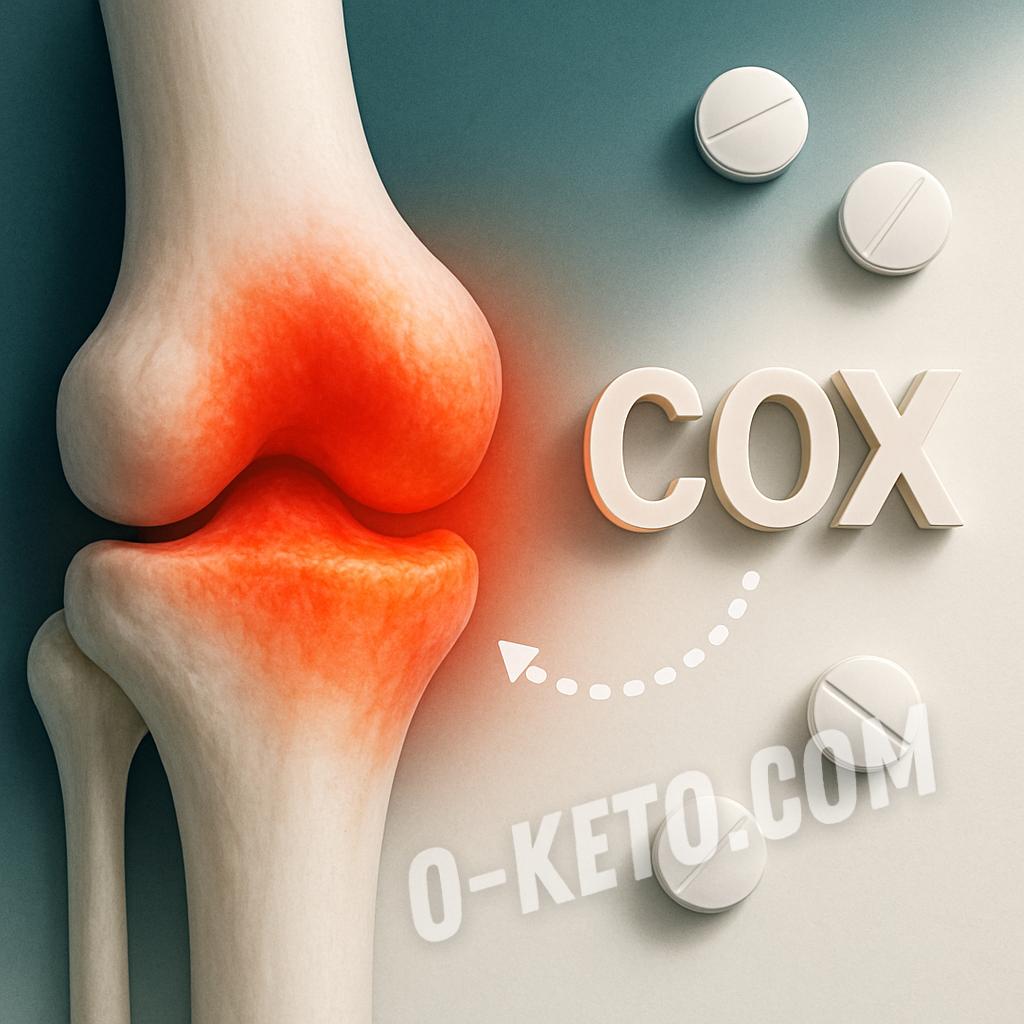
NSAIDs, or non-steroidal anti-inflammatory drugs, are a group of medications that reduce pain, fever, and inflammation without the action of steroid hormones. These include ibuprofen, naproxen, diclofenac, ketoprofen, acetylsalicylic acid, and a number of other agents.
What it is
The main action of NSAIDs is related to the suppression of cyclooxygenase enzymes COX-1 and COX-2. These enzymes are involved in the synthesis of prostaglandins—signaling molecules that support the inflammatory response, pain sensitivity, body temperature, and gastric mucosa protection.
Different medications vary in their analgesic and anti-inflammatory effects, duration of action, and risk profiles. Therefore, NSAIDs cannot be considered interchangeable without taking into account dosage, age, comorbidities, and other medications.
How it relates to metabolism and health
NSAIDs are not a metabolic treatment and do not directly improve insulin sensitivity. Their role is symptomatic: to reduce pain, fever, or inflammation when it is truly needed.
When taking NSAIDs, it is important to consider:
- when on a low-carbohydrate diet, it is important to consider fluid and electrolyte balance, as dehydration and electrolyte deficiency can increase the burden on the kidneys;
- with regular training, NSAIDs can mask pain and hinder timely detection of overload or injury;
- in the presence of stomach, intestinal, kidney, heart, and vascular diseases, risks are higher, especially with long-term use;
- combining with anticoagulants, certain antihypertensive medications, alcohol, and other NSAIDs requires special caution.
NSAIDs are most often mentioned for joint pain, muscle pain, back pain, headaches, menstrual pain, elevated temperature, and inflammatory diseases. For single use in a healthy person, the risk is usually lower than with regular or high-dose use.
If pain becomes chronic, NSAIDs should not replace diagnosis. A constant need for pain relief is a reason to seek the cause: inflammation, injury, autoimmune process, deficiencies, overload, or another condition.
What can affect tolerability
Tolerability is influenced by dose, duration of use, taking on an empty stomach, the condition of the gastric mucosa, kidney function, blood pressure, age, and drug interactions. The risk of complications is higher in people with peptic ulcer disease, chronic kidney disease, cardiovascular diseases, and those taking anticoagulants.
Practical significance for keto and LCHF
On keto and LCHF, NSAIDs are not prohibited per se, but it is better to use them as a short-term tool rather than as a way to ignore the cause of pain.
During training, fasting, heat, diarrhea, or active fluid loss, it is especially important to avoid dehydration and monitor electrolytes.
NSAIDs And The Stomach
NSAIDs reduce pain and inflammation, but they can irritate the stomach, increase bleeding risk and affect blood pressure and kidney function. Risk is higher with long use, alcohol, ulcer history, anticoagulants and older age.
If you have any questions about the term "NSAID", you can ask them to AI. Please note, a low-cost OpenAI model is used. It may answer questions about disease treatment with errors!


 1 / 4
1 / 4

 1 / 4
1 / 4 1 / 4
1 / 4
 1 / 4
1 / 4
 1 / 4
1 / 4
