


Thymus
The thymus is the gland where T lymphocytes mature and immune tolerance is shaped. It is most active in childhood, but its function is connected with stress, infections, autoimmunity, aging, nutrition, and rare tumors of the mediastinum.
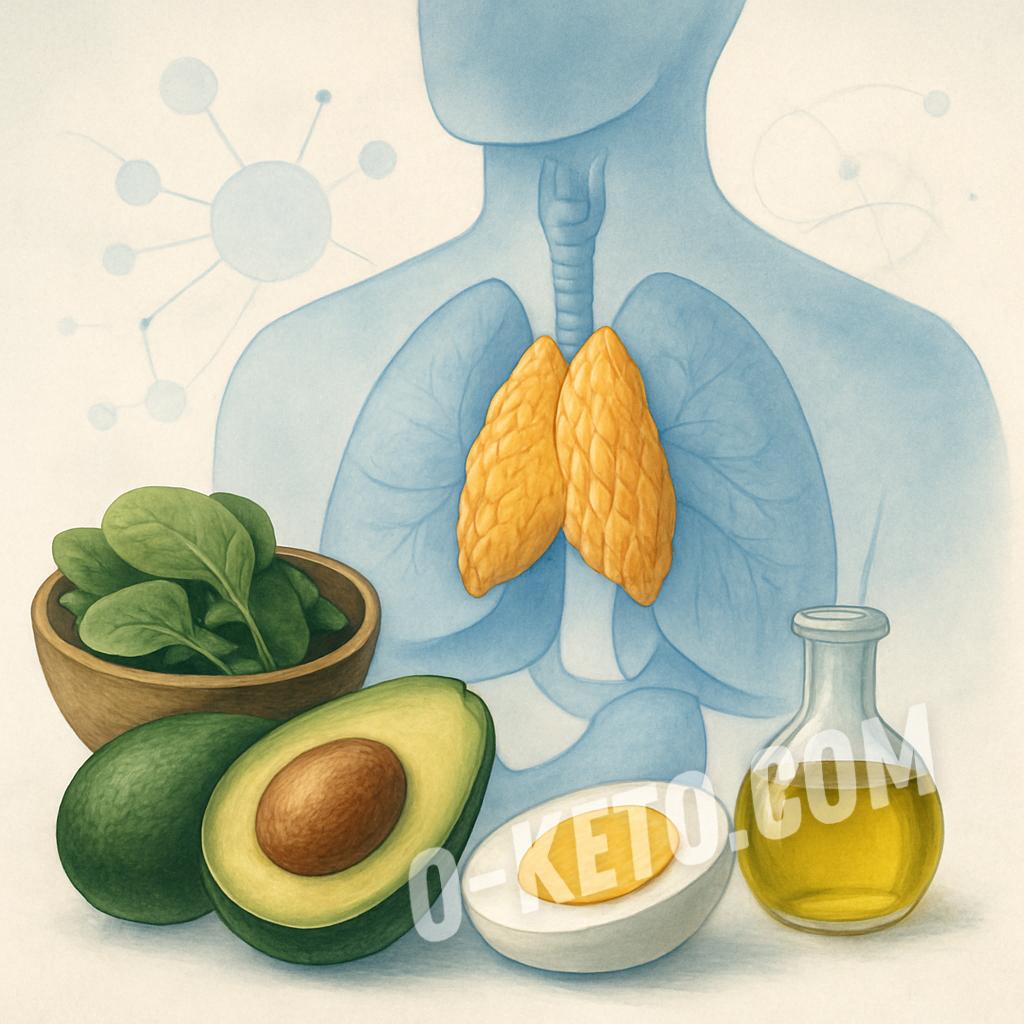
The thymus is an immune organ located in the upper chest behind the breastbone. Its main task is the training of T lymphocytes, cells that help the immune system recognize dangerous signals, viruses, and abnormal cells while avoiding unnecessary attacks on the body’s own tissues. The thymus matters not because of its size alone, but because it helps shape immune precision.
In children, the thymus is relatively large and active. With age it gradually becomes smaller and is partly replaced by fat tissue, but this does not mean its immune relevance vanishes completely. The T-cell system continues to function, although the ability to create a new diverse repertoire of lymphocytes declines. This is one reason immune aging is connected not only with infections, but also with recovery, inflammation, nutrition, and chronic disease.
How it trains immunity
Immature T lymphocytes arrive in the thymus from the bone marrow and undergo selection. They must learn to recognize the body’s own molecules as self while still being able to respond to foreign threats. Cells that are too weak or too dangerous are removed. This process helps reduce autoimmune reactions and builds functional cellular immunity.
If immunity is imagined as a security system, the thymus does not merely produce guards. It teaches them not to attack the people they are meant to protect. Errors in this education can be related to autoimmune disease, immune deficiency, and impaired tolerance. Most of these conditions, however, cannot be explained by a single weak thymus. Genetics, infections, microbiota, hormones, medications, and environment also matter.
Stress, infections, and hormones
The thymus is sensitive to stress hormones. High and prolonged cortisol can suppress immune processes and affect lymphoid tissue. Severe infections, chronic inflammation, under-eating, protein deficiency, cancer, chemotherapy, and some medications can also change T-cell function. Supporting the thymus is therefore not about one supplement. Sleep, recovery, adequate nutrition, and control of disease all matter.
Protein, zinc, vitamin D, iron without deficiency or overload, selenium, omega-3 fats, B vitamins, and adequate energy are needed by the immune system as a whole. Strict dieting, eating disorders, and chronic under-nutrition can impair immunity. On keto and LCHF this is especially relevant when someone lowers carbohydrates but fails to provide protein, vegetables, minerals, and enough calories.
Thymus-related disease
The thymus is associated with rare tumors such as thymomas and with some autoimmune conditions, especially myasthenia gravis. In myasthenia gravis, the immune system interferes with signal transmission from nerves to muscles. Symptoms may include weakness, double vision, drooping eyelids, difficulty swallowing, and muscle fatigue. In such cases, the thymus may be evaluated medically, sometimes with chest imaging.
An enlarged thymus, a mediastinal mass, unexplained muscle weakness, persistent shortness of breath, chest discomfort, repeated serious infections, or signs of autoimmune disease require medical evaluation. Trying to stimulate the thymus with herbs or immune supplements without knowing the cause is not wise. In autoimmune disease, excessive immune stimulation can be harmful rather than helpful.
Nutrition and low-carbohydrate context
Low-carbohydrate nutrition may support immunity indirectly when it improves glucose control, visceral fat, blood pressure, post-meal sleepiness, and inflammatory tone. But the immune system needs more than low sugar. It requires amino acids for cells and antibodies, fat-soluble vitamins, minerals, fiber for the microbiota, normal bile flow, and enough energy. A diet made of coffee, fat, and random protein is not an immune strategy.
In autoimmune disease, frequent infections, immunosuppressive treatment, cancer, or after transplantation, diet changes and supplements should be discussed with a clinician. Keto may be compatible with treatment for some people, but it should not interfere with medication, body weight, protein intake, and recovery. Immunity benefits from stability more than from constant extremes.
Practical conclusion
The thymus is an organ of T-cell education and immune tolerance. It cannot be strengthened in a simple way like a muscle, and it should not be judged through marketing promises about boosting immunity. The best support for the T-cell system is usually adequate nutrition, sleep, treatment of infections and chronic disease, avoiding dietary exhaustion, and seeking medical care when signs of autoimmune or tumor processes appear.
If you have any questions about the term "Thymus", you can ask them to AI. Please note, a low-cost OpenAI model is used. It may answer questions about disease treatment with errors!


