


Influenza
The acute onset, high fever, aches and extreme weakness make the flu a more severe infection than the common cold. In this condition, rest, monitoring for signs of complications, and timely medical evaluation in at-risk groups are especially important.


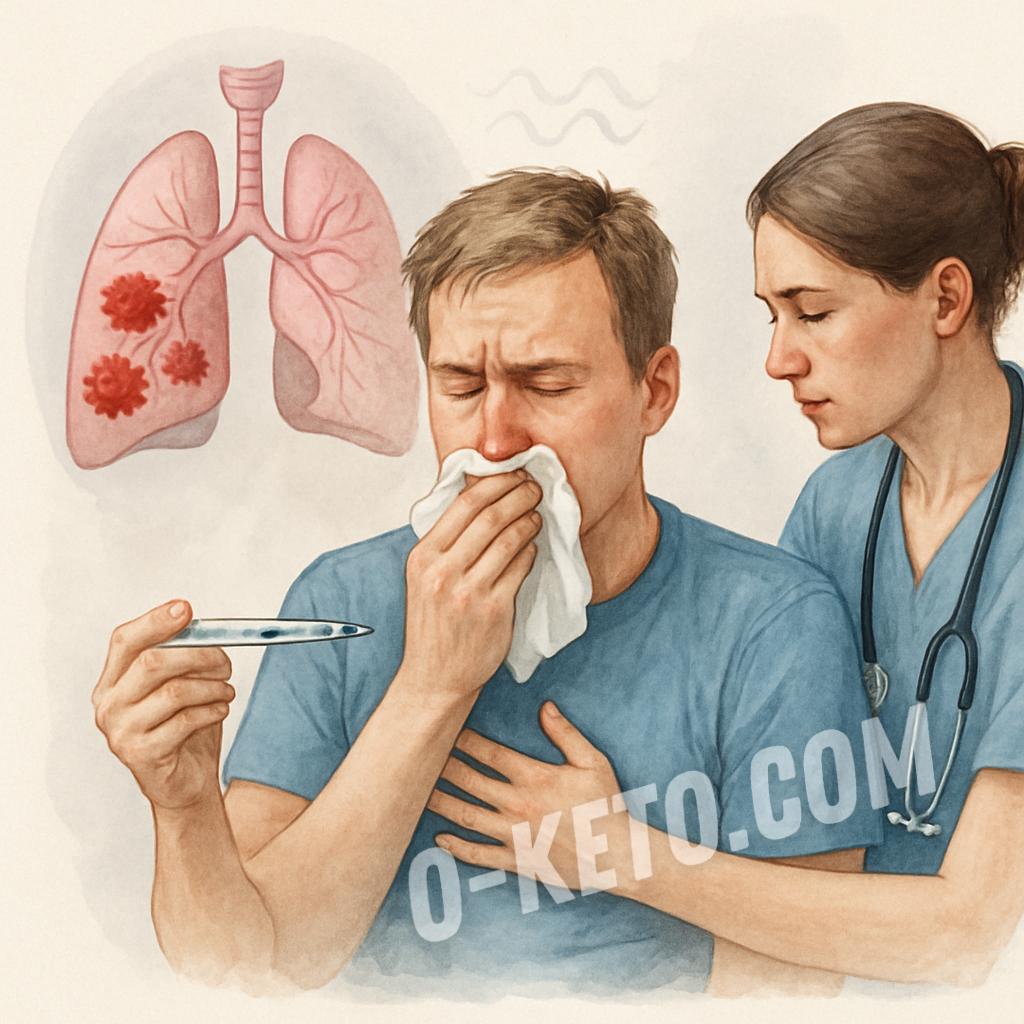
Influenza is an acute viral infection of the respiratory tract caused by influenza viruses that is usually more severe than the common cold. The flu is characterized by a sudden onset, severe weakness, aching muscles and joints, high fever, headache and a noticeable decrease in performance in the first hours of the disease. For many people, the condition looks as if the body has been abruptly switched off from its usual rhythm. It is this suddenness and severity of general well-being that often helps to distinguish the flu from milder respiratory viral infections.
Although most people perceive the flu as a seasonal nuisance, the condition is not by definition harmless. For some people, especially the elderly, pregnant women, young children and patients with chronic diseases of the heart, lungs, metabolism or weakened immune systems, influenza can become a serious burden and cause complications. Even in relatively healthy adults, it often knocks them out of normal life for several days more than ordinary viral episodes.
How does the flu usually manifest?
Most often, the disease begins acutely. Within a short time, the temperature rises, body aches, severe weakness, chills, pain in the eyes or head, dry cough and the feeling that even simple everyday activities require disproportionately great effort. A runny nose and severe sneezing may occur with the flu, but they are usually not the main symptom at the very beginning. It is intoxication and the overall difficult background of well-being that comes to the fore.
Some people recover fairly quickly, but for others, weakness, respiratory irritation and decreased stamina last longer. This is normal to a certain extent, but if the condition does not improve after the acute phase or new alarming symptoms appear, it is important not to consider any persistent cough to be completely safe.
Why is the flu more severe than a cold?
Influenza viruses cause a more pronounced systemic inflammatory response, so the disease is often accompanied by severe intoxication, fever and a feeling of general weakness. The body spends more resources on the immune response, sleep is disturbed, dehydration is less tolerated, appetite decreases, and against the background of high temperature, the load on the cardiovascular system increases. This is why the flu requires a more respectful attitude towards the recovery regime than the standard “cold on the feet”.
A separate risk is associated with complications. After the flu, asthma may worsen, a bacterial infection may develop, pneumonia may develop, severe dehydration and decompensation of existing chronic diseases. The higher a person’s initial risk, the more closely it is worth monitoring the course of the infection.
What helps during illness
Basic support usually includes rest, adequate fluid intake, temperature control, eating according to appetite, and reducing unnecessary stress on the body. When a person tries to cope with the flu at a normal work pace, lacks sleep and ignores severe weakness, recovery is often delayed. For the immune system and mucous membranes, not only one specific drug is important, but also the overall ability of the body not to live in a regime of constant overheating and dehydration.
Foods or supplements are sometimes considered as additional nutritional support, but they are not a substitute for assessing the severity of the condition. If the disease is severe, you must first monitor breathing, temperature, hydration and general well-being. Support should aid recovery and not distract from signs of deterioration.
When you need medical help
You should contact your doctor quickly if you experience shortness of breath, pain or heaviness in the chest, difficulty breathing, severe dehydration, confusion, a fever that does not decrease or returns after improvement, a sharp worsening of cough, or severe weakness that prevents you from drinking or eating. Pregnant women, the elderly, people with obesity, diabetes, heart and lung disease, and immune disorders should have a particularly low threshold for treatment.
The period after the acute phase also requires special attention. If a person seems to feel better, but then the temperature rises again, the cough intensifies, or chest pain appears, this may indicate complications. In such a situation, you should not reassure yourself that “it’s just a lingering virus.”
Practical conclusion
Flu is not just another runny nose during the cold season, but a more severe systemic infection that requires an adequate regimen and monitoring for signs of complications. For many people, the key decision is not to find a miracle cure, but to reduce workload early, not to ignore significant weakness, and to recognize when home support is no longer enough.
The more accurately a person distinguishes between the flu and a common cold, the safer he behaves during illness. Respecting recovery, monitoring breathing and temperature, and being willing to seek prompt medical attention is usually more helpful than trying to continue a normal rhythm at all costs while the body is clearly asking for a break.
If you have any questions about the term "Influenza", you can ask them to AI. Please note, a low-cost OpenAI model is used. It may answer questions about disease treatment with errors!


