


Fractures
A fracture is a break in bone integrity that requires not only fixation and time, but also full support for tissue repair, protein intake, minerals, and controlled inflammation. Nutrition and targeted support may improve recovery, but they never replace trauma care and the correct treatment strategy.


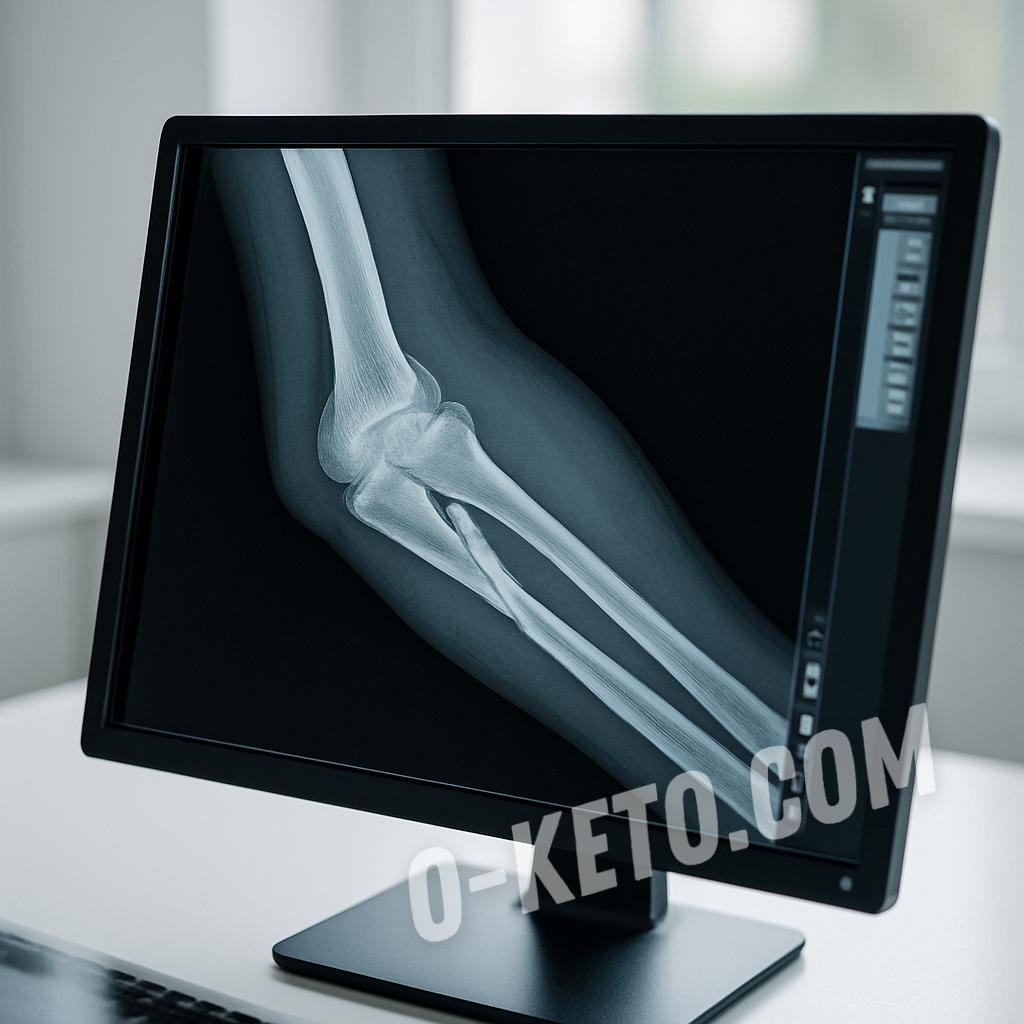
A fracture is not just a crack in bone that waits to heal. It is a structured tissue injury that triggers inflammation, repair signaling, mineral remodeling, pain responses, changes in movement, and often a period of reduced activity that affects the whole body. Recovery depends not only on splinting, surgery, or rest, but also on whether the organism has enough raw material and metabolic stability to rebuild tissue. That is why fractures are one of the clearest examples of a situation where medical treatment and nutrition truly need each other. Food and supplements do not replace a traumatologist, but poor protein intake, micronutrient deficiencies, smoking, poor glycemic control, and prolonged under-recovery can slow healing in very practical ways.
How bone healing works
Bone repair usually moves through several overlapping stages. First comes inflammation: damaged tissue, local bleeding, and immune signaling create the conditions for repair. Then a soft callus forms, followed by a harder mineralized structure that gradually becomes stronger and more organized. Later, the bone continues remodeling so that the repaired area can better tolerate mechanical load again. This is a dynamic process, not a single switch.
Because the phases overlap, the body needs both energy and building blocks over time. Early on, inflammation is not automatically bad; it is part of normal repair. The problem is uncontrolled inflammation, smoking, metabolic instability, severe undernutrition, or medical factors that prevent the healing sequence from progressing normally.
What especially affects recovery
Protein sufficiency matters more than many people expect. Bone is not made only of minerals. It also requires a protein matrix, collagen structure, and coordinated cell signaling. If total protein intake is too low, especially during a period of reduced appetite, hospitalization, immobilization, or dieting, tissue repair can become slower. Energy deficit, severe calorie restriction, and chronic low intake can also interfere with recovery even if a person takes calcium or vitamin D separately.
Micronutrients are important as well, but they work best in context. Vitamin D, magnesium, vitamin K, calcium, phosphorus, zinc, and adequate overall nutrition all contribute to the environment in which bone and surrounding tissues heal. Smoking, excess alcohol, uncontrolled diabetes, poor sleep, and low physical reserve can slow the process further. In older adults, the fracture is often only part of a larger problem involving muscle loss, balance issues, frailty, or osteoporosis.
When extra evaluation is needed
Not every fracture is the same. A high-energy trauma in an otherwise healthy young person is one scenario. A low-impact fracture after a simple fall, especially in midlife or older age, may suggest reduced bone strength and deserves a broader look. Recurrent fractures, delayed healing, bone pain before the injury, significant weight loss, steroid use, malabsorption history, severe menstrual disturbances, or signs of endocrine disease all change the context.
Medical follow-up may involve imaging, bone density assessment, review of medications, glucose control, vitamin D status, calcium balance, kidney function, and other tests based on the persons history. The goal is not only to close the current fracture episode, but to understand whether the skeleton was already vulnerable and whether future fracture risk is elevated.
Nutrition and the role of keto or LCHF
Keto or LCHF is not a fracture treatment by itself. What matters is whether the dietary pattern supports recovery rather than undermines it. If a lower-carbohydrate approach helps control appetite, reduces inflammatory overeating, improves glycemic control, and still provides enough protein, minerals, and total energy, it can fit into recovery. If, however, it turns into severe undereating, low protein, constipation, dehydration, or fear of broad food groups, it may work against healing.
People healing from fractures should be especially careful with aggressive weight-loss strategies. The body is trying to repair tissue, rebuild structure, and restore function. That is not a good phase for extreme caloric austerity unless there is a physician-led reason. Low-carb recovery works best when it stays nutrient-dense, protein-aware, and adequately energized. Stable blood sugar can be useful, especially in insulin resistance or diabetes, but not at the price of overall under-recovery.
Practical takeaway
The practical approach to fractures is simple but not superficial. First, the fracture must be properly managed medically, with the right immobilization or surgery and the right follow-up. Second, recovery needs enough protein, fluids, minerals, sleep, and gradual movement according to the clinicians plan. Third, background obstacles such as smoking, alcohol excess, poor glycemic control, low vitamin D, and chronic undernutrition should be addressed directly rather than treated as side notes.
In other words, healing bone is not only about waiting. It is an active biological project. The body needs structural material, endocrine stability, inflammation that resolves rather than stays chaotic, and a realistic rehabilitation path. Nutrition can meaningfully support that process, but the best results come when diet, medical supervision, and functional recovery are aligned rather than treated as separate worlds.
If you have any questions about the term "Fractures", you can ask them to AI. Please note, a low-cost OpenAI model is used. It may answer questions about disease treatment with errors!


