


Arthralgia
Joint pain can be a consequence of overload, inflammation, metabolic disorders or systemic diseases, so arthralgia is considered a symptom and not a self-sufficient explanation of the cause. Context, accompanying signs and timely assessment are important for the correct tactics.


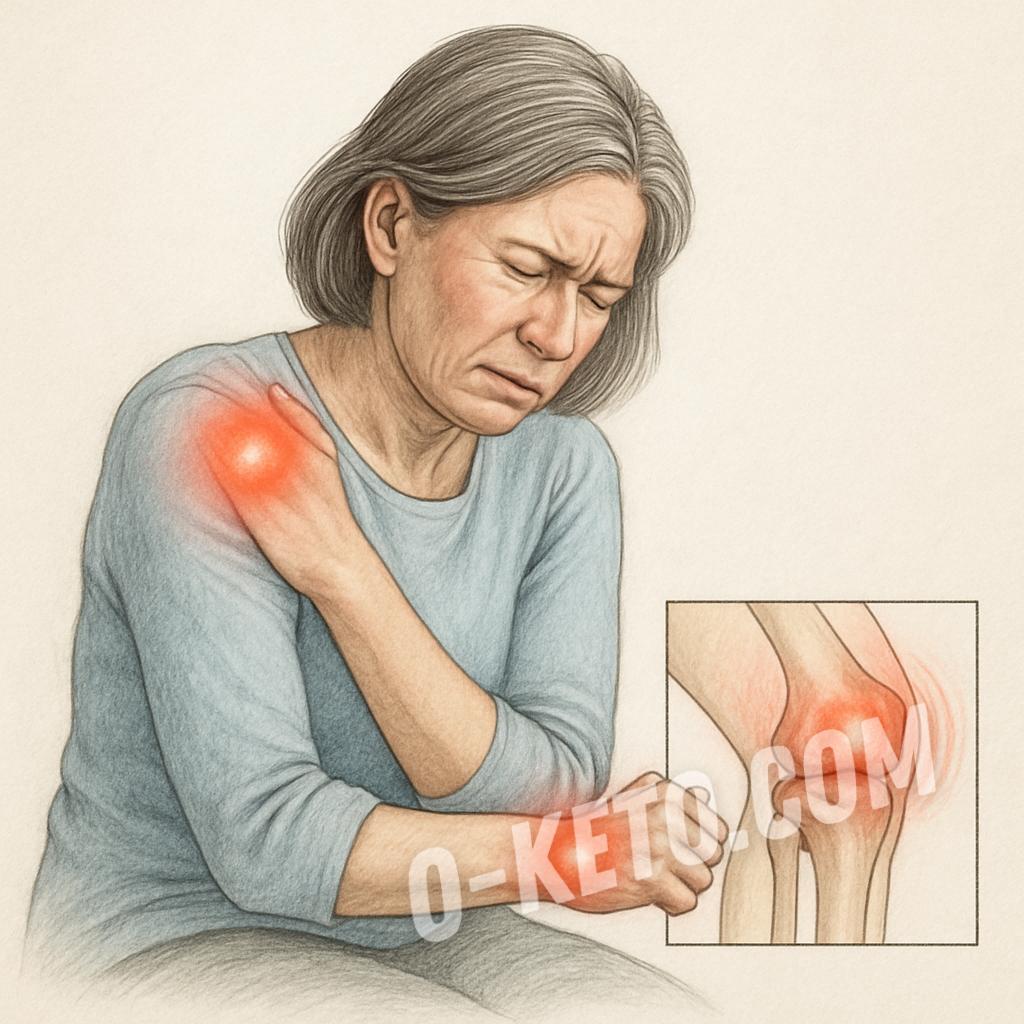
Arthralgia is pain in one or more joints without automatically assigning one specific cause. This is not a separate universal diagnosis, but a symptom that can accompany inflammatory joint diseases, overload, degenerative changes, infections, metabolic disorders, injuries and a number of systemic conditions. That is why the word arthralgia is important to understand correctly: it describes a person’s complaint of joint pain, but in itself does not yet explain why this pain arose and how exactly it should be treated.
For some people, arthralgia looks like a dull, aching pain in the knees or hands, for others it looks like morning stiffness, soreness after exercise, an aching sensation due to a viral infection, or discomfort that increases due to metabolic and inflammatory disorders. The pain can be short-term and passing, or it can become persistent, limit movement and interfere with sleep. It is the context of the onset of pain, the combination with other symptoms and the duration of the episode that help to understand what is behind arthralgia in each specific case.
What are the most common reasons?
Joint pain is often associated with osteoarthritis, overload, microtrauma, the consequences of physical work, excess weight or poorly selected load. But the list doesn’t end there. Arthralgia can accompany rheumatoid arthritis, gout, autoimmune diseases, viral infections, deficiencies, thyroid disorders, and even some drug effects. In some people, joint pain develops against the background of metabolic syndrome and a general inflammatory background, when not only the joint structures themselves suffer, but also the quality of recovery of the body as a whole.
It is important not to simplify the situation to the formula “painful joints simply mean age.” Even in older people, different mechanisms can be hidden behind the same complaint: from banal overload to an active inflammatory process. In younger people, joint pain should not automatically be attributed to exercise or stress alone, especially if there is swelling, morning stiffness or other systemic symptoms.
How to Assess Symptoms
Several things are important for the doctor and for the person himself: which joints hurt, is there swelling, how long does the stiffness last in the morning, does the pain worsen at rest or with movement, is there redness, heat, limited range of motion and general symptoms such as fever, weakness, rashes or weight loss. Pain in one joint after overload and symmetrical pain in the small joints of the hands in the morning are completely different clinical situations.
It is also useful to pay attention to the connection with lifestyle. Sometimes arthralgia worsens after eating too much highly processed food, lack of sleep, dehydration, a sudden increase in physical activity, or prolonged sitting without moving. This is not always the cause of the problem, but such observations help to better understand the pattern of flare-ups and relief.
When joint pain requires quicker evaluation
You should seek medical help quickly if the joint is suddenly swollen, hot, red, the pain is very severe, there is a fever, the person cannot put weight on the leg or move the arm, the pain occurs after an injury, or is accompanied by unusual weakness and systemic symptoms. Persistent morning stiffness, symmetrical damage to several joints, recurring night pain and prolonged limitation of movement require special attention.
Such signs may indicate not just overload, but an inflammatory or infectious process that cannot be safely explained only by diet, age or magnesium deficiency. The sooner you can understand the nature of the pain, the less the risk of missing time for the right tactics.
What role do nutrition and metabolic background play?
Although arthralgia is not cured by diet alone, nutrition and overall metabolism can significantly influence the severity of symptoms. Excess weight increases the mechanical load on the joints, chronic inflammation impairs the tolerance of existing changes, and a lack of protein, vitamin D, certain microelements and poor sleep complicate recovery. Therefore, addressing dietary composition, protein adequacy, weight control, and reducing inflammatory load may indeed be a useful part of the overall strategy, especially if pain is associated with metabolic syndrome or a sedentary lifestyle.
Nutritional support is sometimes used as part of this strategy, but it should not replace diagnosis. If the pain persistently returns, simply adding another jar without understanding the reason is ineffective. It makes more sense to combine work with diet, movement, recovery and medical assessment if the clinical picture requires it.
Practical conclusion
Arthralgia is a useful clinical signal, not a final answer. It suggests that the articular system requires attention, but the reason must be clarified separately. For some it will be a matter of overload and recovery, for others it will be a manifestation of an inflammatory disease, and for others it will be a reflection of the general metabolic and inflammatory background.
The best approach to joint pain is a combination of observation and common sense. If the discomfort is short-lived and has an understandable cause, you can start with a gentle regimen and assessment of stress factors. But if the pain becomes persistent, inflammatory, or limits normal life, a full evaluation should not be delayed. It is a timely understanding of the context that makes arthralgia not just an alarming complaint, but a clear guideline for further help.
If you have any questions about the term "Arthralgia", you can ask them to AI. Please note, a low-cost OpenAI model is used. It may answer questions about disease treatment with errors!


