


Copper Toxicity
Excess free copper can burden the liver, intensify oxidative stress, and produce a mix of digestive, neurologic, and mood-related symptoms. Proper evaluation depends not only on lab tests, but also on why copper is accumulating in the first place.


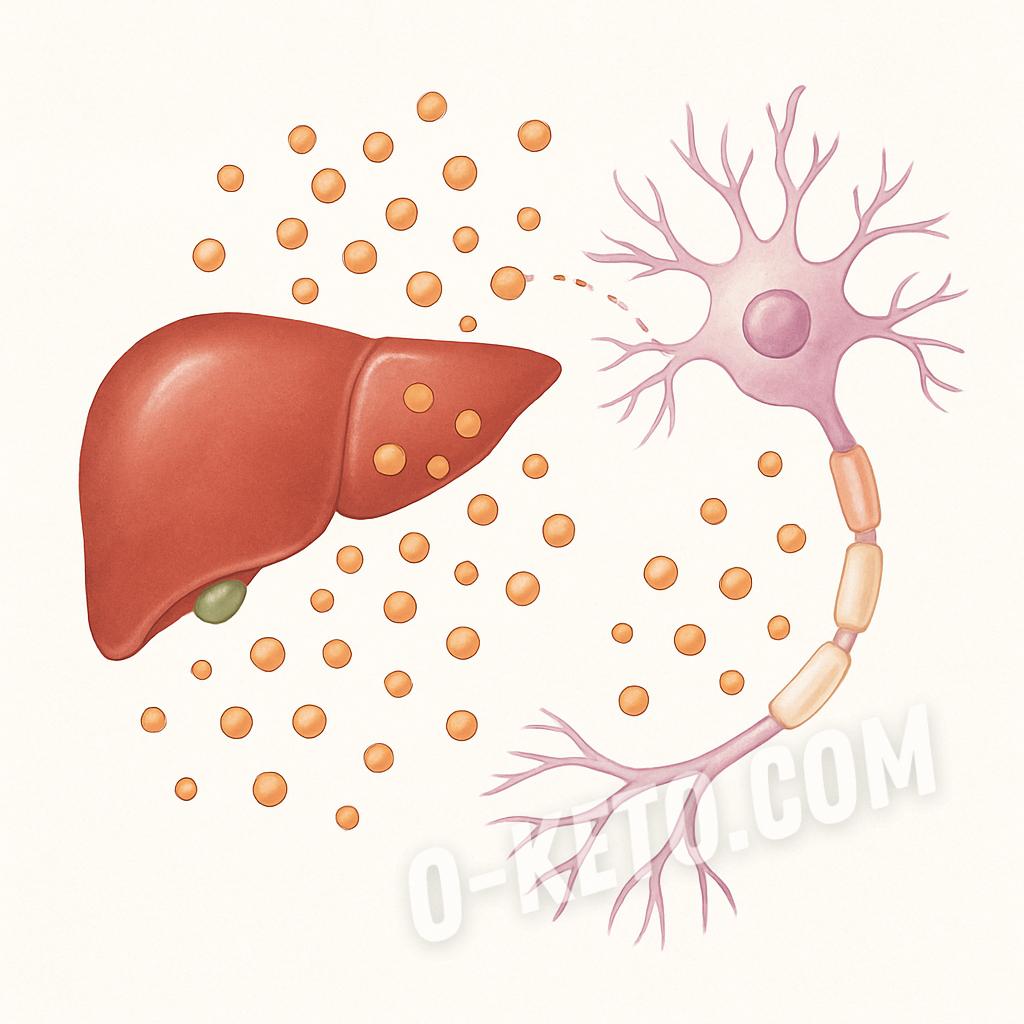
Copper toxicity does not appear only after an obvious poisoning event. It can also develop gradually when copper starts to accumulate faster than the body can bind, transport, and eliminate it. Copper is an essential trace mineral: it is needed for enzyme activity, antioxidant defense, connective tissue formation, and normal energy metabolism. The problem begins when too much copper remains in a free or poorly controlled form. In that setting it can promote oxidative stress, irritate the digestive tract, burden the liver, and affect the nervous system, emotional stability, and tolerance to stress.
How copper overload develops
Acute toxicity is more often related to contaminated water, industrial exposure, cookware misuse, accidental ingestion, or supplements taken at an unsafe dose. Chronic overload is usually more subtle and rarely develops in a single day. In the long-term form, the question is not only how much copper enters the body, but also how efficiently the body can bind it to proteins, process it through the liver, and move it out through bile.
Risk tends to increase when several factors overlap: excessive supplement use, frequent exposure to copper-containing products, chronic liver dysfunction, impaired bile flow, significant protein deficiency, zinc deficiency, or inherited disturbances in copper metabolism. Under those conditions copper may circulate in a less protected form and remain biologically active for longer than it should.
It is also important to understand that copper toxicity does not always look like a dramatic poisoning picture. In many people it appears as a collection of scattered complaints rather than one single hallmark sign. Someone may notice nausea, heaviness after meals, irritability, headaches, heart pounding, unusual sensitivity to supplements, unstable energy, or worsening symptoms after self-prescribed mineral programs.
Possible symptoms and patterns
Acute copper toxicity often starts in the digestive tract. Metallic taste, nausea, vomiting, abdominal pain, loose stool, weakness, and dizziness are common warning signs. When the exposure is severe, the liver, kidneys, and fluid-electrolyte balance can also be affected. That kind of situation requires standard medical care, not home experimentation.
Chronic overload often looks less dramatic but can last much longer. In some people the nervous system becomes the main area of concern. They may describe heightened anxiety, internal agitation, poor stress tolerance, a sense of being overstimulated, lighter or more fragmented sleep, and worse concentration. In others, liver and digestive complaints become more obvious: nausea, bitterness in the mouth, heaviness in the right upper abdomen, poor tolerance to fatty foods, and unstable bowel habits. With more advanced imbalance, tremor, weakness, palpitations, inflammatory symptoms, and a sharp deterioration after badly chosen mineral protocols may also appear.
The difficulty is that none of these symptoms is completely specific. Similar complaints can appear in many other metabolic and inflammatory conditions. Because of that, symptoms alone do not prove copper toxicity. The broader context matters: what the person eats, which supplements are used, how the liver functions, whether there is a protein deficit, and whether zinc or other minerals have been used without a clear plan.
What doctors usually evaluate
One test is rarely enough. Depending on the case, evaluation may include serum copper, ceruloplasmin, liver enzymes, total protein, albumin, inflammatory markers, and sometimes 24-hour urinary copper. If there are major neurologic symptoms, a family history of copper-handling disorders, or concern about Wilson disease, the workup usually becomes more detailed. Interpretation should always be tied to the clinical picture, because numbers without history can be misleading.
From a nutrition and functional perspective, it is useful to separate true excess intake from impaired handling. One person may simply be exposed to too much copper from outside sources. Another may have trouble processing ordinary copper loads because of liver stress, poor bile flow, low protein status, or self-directed mineral programs that disrupted the balance further. Those are not the same problem, and they should not be approached the same way.
Why self-treatment can backfire
A common mistake is trying to remove copper with zinc alone, especially in higher doses and without watching tolerance. Zinc does compete with copper in several pathways, but that does not mean more zinc automatically fixes the situation. If dosing is poorly chosen, copper distribution can shift abruptly and symptoms can worsen, especially on the neurologic and emotional side. In practical terms, displacing copper is not the same as safely clearing it from the body.
That is why the body still needs enough protein, adequate liver function, stable electrolyte balance, and a realistic elimination strategy. Another mistake is swinging to the opposite extreme and treating copper as if it were purely harmful. Copper is still essential. The real goal is not to eliminate it completely, but to reduce the burden of excess free copper and restore a healthier pattern of transport and excretion.
Diet, metabolism, and low-carb context
When copper overload is suspected, the solution is not just a list of forbidden foods. The broader metabolic setting matters more: meal tolerance, protein adequacy, amino acid availability for transport proteins, liver support, and the absence of chaotic supplement stacking. If someone eats irregularly, tolerates food poorly, shows signs of low protein status, and takes many minerals without structure, the risk of imbalance becomes greater rather than smaller.
This topic can also matter in keto and LCHF practice, but not because a low-carbohydrate diet directly causes copper toxicity. The more practical issue is that people often intensify their supplement use when changing diets. They may add minerals aggressively without understanding combinations, doses, liver status, or personal tolerance. If unusual reactions to minerals, nausea, overstimulation, poor fat tolerance, or strange sensitivity to zinc appear during a low-carb regimen, it is wiser to reassess the whole picture than to keep escalating supplements.
When standard medical care is necessary
Urgent evaluation is necessary when acute poisoning is suspected, or when repeated vomiting, severe abdominal pain, dehydration, jaundice, marked weakness, mental status changes, seizures, strong tremor, or sudden deterioration of liver or kidney function appears. Chronic cases also deserve medical supervision when symptoms keep progressing, lab markers worsen, or a hereditary disorder of copper metabolism is possible.
Copper toxicity is not a condition that should be reduced to one symptom or one supplement. It requires a cause-and-effect view that includes exposure, liver function, protein status, lab interpretation, and careful correction. The sooner that pattern is recognized, the lower the chance of drifting into a more severe and prolonged overload state.
If you have any questions about the term "Copper Toxicity", you can ask them to AI. Please note, a low-cost OpenAI model is used. It may answer questions about disease treatment with errors!


