


Skin hyperpigmentation
Darkening of patches of skin is usually due to inflammation, sun, hormonal factors, or trauma to the skin, so hyperpigmentation requires understanding the cause rather than just trying to lighten the spots. The basics remain UV protection, gentle care and, if necessary, dermatological evaluation.


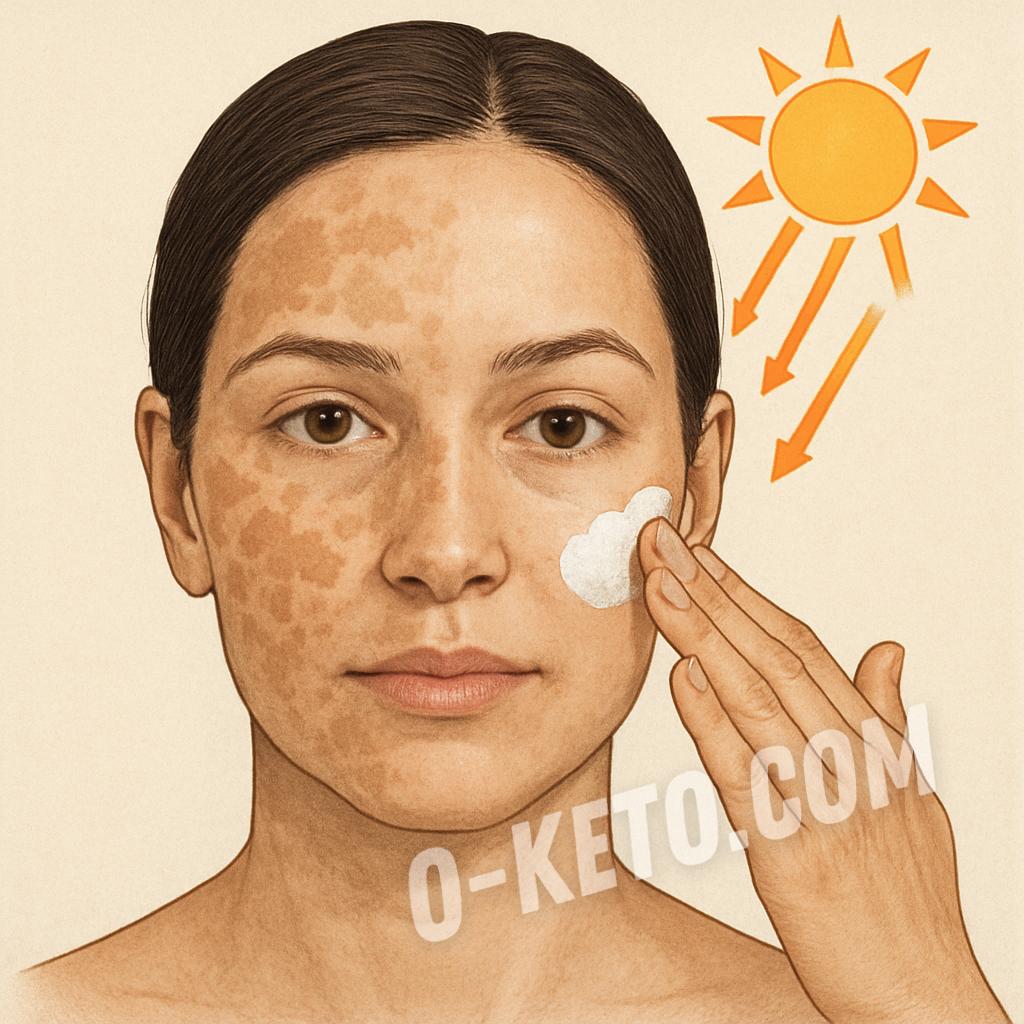
Skin hyperpigmentation is a condition in which darker coloration appears in certain areas of the skin due to increased accumulation of melanin or disruption of its distribution. In everyday life, people often perceive this simply as spots after the sun, acne, pregnancy or age-related changes, but different mechanisms may be behind an outwardly similar manifestation. Hyperpigmentation is not considered an independent disease in every case, but it is an important clinical sign that reflects the skin’s reaction to inflammation, ultraviolet radiation, hormonal changes, trauma, irritation, medications or internal disorders.
It is important to understand that a dark spot on the skin does not always mean the same thing. Some options are associated primarily with sun damage and photoaging, others occur after inflammation, burns, acne or scratching, while others intensify against the background of hormonal changes, for example during pregnancy or when taking certain medications. That is why working with hyperpigmentation begins not with any random cosmetic measure, but with understanding the context: when exactly did it appear, how does it change, is there a connection with the sun, inflammation and care.
Why does the skin darken?
The main mechanism of hyperpigmentation is associated with melanocytes, skin cells that produce melanin. When the skin receives a signal of damage or irritation, melanin synthesis may increase. This happens after active ultraviolet radiation, inflammation, mechanical trauma, aggressive cosmetic procedures, hormonal fluctuations and some medicinal effects. Sometimes melanin is produced not only as a cosmetic problem, but as a protective reaction to irritation, so without eliminating the cause, spots often return or last longer than a person expects.
Especially often, hyperpigmentation intensifies after the sun. Even if stains appear for another reason, ultraviolet light often fixes them and makes them more durable. Therefore, sun protection is not considered an optional extra, but a basic part of any sensible tactic. Without it, even good care and dermatological measures can give a much weaker result.
What options are most common?
One common option is post-inflammatory hyperpigmentation. It often appears after acne, dermatitis, scratches, burns, aggressive peeling or other damage, when a dark spot remains in place of the inflammation that has already passed. Another common option is melasma, where pigmentation is often related to hormonal factors and the sun and is usually located on the face. There are also solar lentigines and other forms of age-related or photodependent pigmentation.
Outwardly, these conditions may be similar, but the approach to them is different. In some places the main emphasis is on controlling inflammation and protecting the skin barrier, in others on correcting care and protecting from ultraviolet radiation, and in others a full dermatological assessment is required to rule out other causes of skin discoloration. Therefore, it is not always useful to call any spots simply “pigmentation” without specifying their origin.
What can worsen hyperpigmentation?
The most common aggravating factors are the sun, chronic skin irritation, attempts to actively squeeze out inflammatory elements, incorrectly selected acids, harsh procedures without restoring the barrier, and repeated injuries to the same area. In some people, hormonal fluctuations, pregnancy, insulin resistance, certain medications, and conditions associated with a more sensitive inflammatory skin response play a significant role.
It’s important to remember that not every dark zone is safe by default. If a spot changes quickly, has jagged edges, is an unusual color, bleeds, or is accompanied by other warning signs, it should not be attributed to hyperpigmentation alone. In such cases, you need to show the skin to a doctor so as not to miss another dermatological condition.
How do you usually approach correction?
The basic strategy usually revolves around sun protection, reducing inflammation, and caring for the skin barrier. Dermatologists may use acids, retinoids, azelaic acid, vitamin C, lightening regimens, controlled treatments, or a combination of several approaches, but the choice depends on the type of hyperpigmentation and skin sensitivity. An independent combination of many assets at once often has the opposite effect: irritation becomes stronger, and along with it, pigmentation becomes fixed.
If hyperpigmentation appears after acne or irritation, it is especially important not only to lighten the spots, but also not to support a new inflammatory cycle. As long as the skin continues to regularly become inflamed, new marks will appear faster than the treatment can work on the old ones. Therefore, correcting the cause is usually no less important than correcting skin color.
Do nutrition and nutritional support have a role?
Nutrition is not considered a direct treatment for hyperpigmentation, but the overall condition of the skin depends on antioxidant protection, the sufficiency of protein, vitamins, microelements and the general inflammatory background. If the diet is chaotic, recovery from inflammation is worse, and the skin may retain marks longer after damage. Individual nutrients are sometimes considered as part of support if they relate to skin barrier function, antioxidant protection, or inflammation regulation, but such measures usually work as a supplement rather than as a stand-alone solution to blemishes.
It’s most helpful to think of hyperpigmentation as a condition where a combination of factors is important: sun protection, careful skincare, controlling inflammation, minimizing skin trauma, and monitoring possible internal triggers. It is this approach that makes more sense than looking for one supplement or one ointment that should solve everything at once.
When do you need a doctor?
A dermatological evaluation is especially necessary if the spots appear suddenly, quickly enlarge, have an unusual shape, are accompanied by itching, bleeding, induration, or if normal gentle care does not result in movement at all for a long time. Your doctor can help you differentiate benign hyperpigmentation from other skin changes and choose an approach that won’t aggravate the irritation or perpetuate the problem further.
Skin hyperpigmentation is not just a matter of aesthetics. It often shows how the skin reacts to sun, inflammation and damage. The sooner you can understand the mechanism of a particular option and stop repeating irritating actions, the higher the chance of getting an even and more sustainable result without constantly going in circles between temporary lightening and new darkening of the skin.
If you have any questions about the term "Skin hyperpigmentation", you can ask them to AI. Please note, a low-cost OpenAI model is used. It may answer questions about disease treatment with errors!


