


Premenopause
The period before menstruation finally stops is accompanied by hormonal instability, which can affect sleep, mood and metabolism. Perimenopause requires not panic, but careful attention to the cycle, symptoms and overall support strategy.


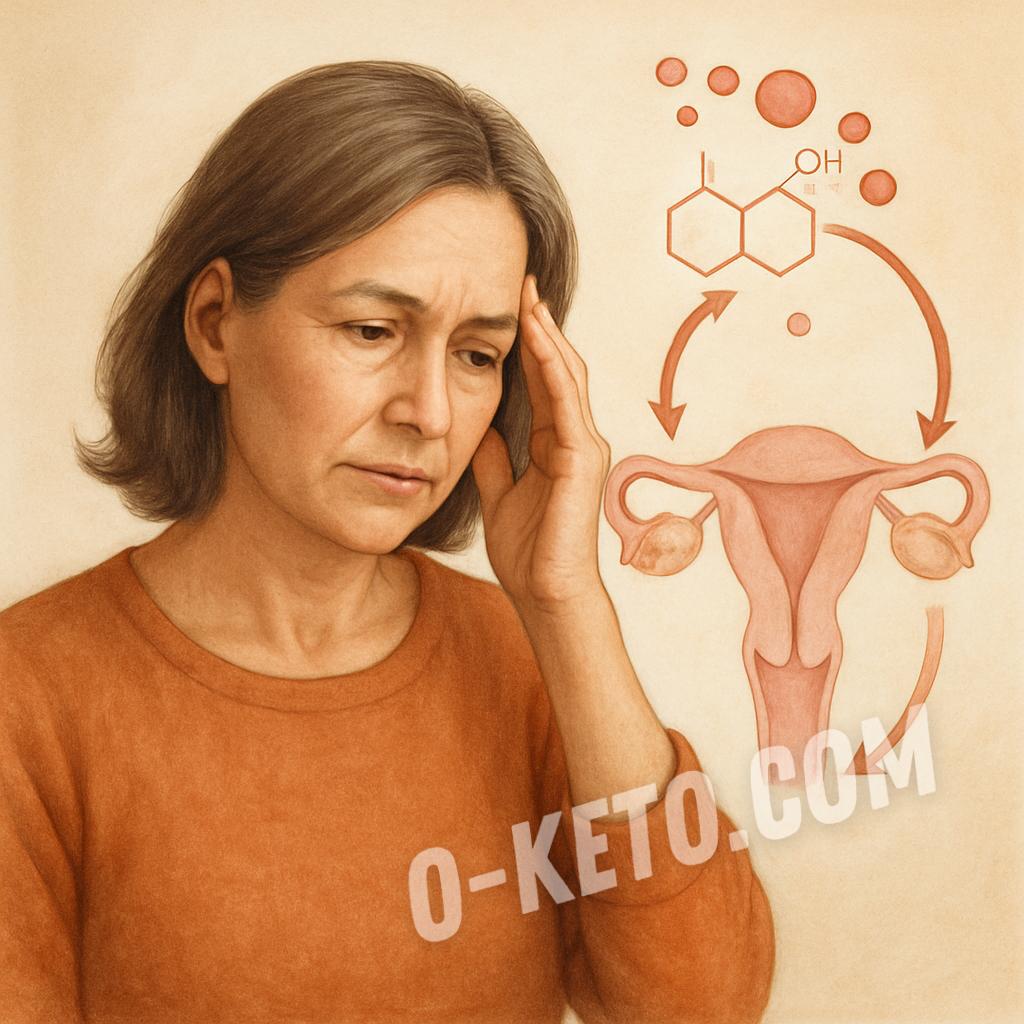
Perimenopause is the stage of a woman’s life that precedes the final cessation of menstruation and reflects a gradual change in the functioning of the ovaries. During this period, the cycle still persists, but hormonal regulation is already becoming less stable. For some women, the changes remain almost unnoticeable, while for others there are more pronounced fluctuations in well-being, sleep, mood, appetite and tolerance to usual exercise. Perimenopause is not considered a disease in itself, but it is a real physiological condition that affects metabolism, vascular tone, nervous system and quality of life.
It is important to understand that perimenopause is not the same as menopause. Menopause is usually defined as the time when there have been no menstrual periods for twelve months in a row. Premenopause can last for years and is accompanied by cyclical or wave-like changes in well-being long before the cycle completely stops. It is at this stage that many women first notice that sleep has become less stable, stress is more difficult to bear, and the usual diet and physical activity give different results than before.
How does the condition usually manifest?
The most common complaints in premenopause are cycle irregularity, shorter or longer intervals between menstruation, feelings of internal instability, mood swings, poor sleep, fatigue, episodes of fever, breast engorgement, increased premenstrual symptoms and changes in eating behavior. In some women, emotional manifestations are more pronounced; in others, vascular reactivity, headaches, or decreased resistance to stress come to the fore.
Symptoms do not always appear at the same time. Sometimes the first signs look like more severe PMS, and sometimes as a feeling that the body is recovering less well from the usual load, more often reacts to lack of sleep and is more dependent on a stable regime. This is why many women do not associate these changes with hormonal transitions for a long time and try to look for one local cause in the thyroid gland, nutrition or magnesium levels, although the picture is broader.
What changes in hormonal regulation?
The key background of premenopause is a gradual decrease in the predictability of ovulation and more pronounced fluctuations in estrogen and progesterone. Because of this, not only the cycle changes, but also the interaction of the nervous system with the stress axis, appetite, thermoregulation and sleep quality. For some women, such fluctuations are reflected in sensitivity to caffeine, alcohol, sudden jumps in blood sugar and training overload. What was previously easily tolerated sometimes begins to cause insomnia, irritability, or a feeling of internal overheating at this age.
This does not mean that any discomfort at the age of forty plus should be automatically attributed to perimenopause. Similar complaints may include anemia, hypothyroidism, iron deficiency, sleep disorders, anxiety disorders and chronic exhaustion. Therefore, it is important to distinguish physiological transition from conditions that require separate diagnosis and treatment.
How is the condition related to metabolism?
Against the background of hormonal changes, some women notice an easier gain of fat mass in the abdominal area, a less stable appetite, an increased craving for fast carbohydrates, changes in the lipid profile and a decrease in subjective stress resistance. Not everyone experiences these changes in the same way, but perimenopause can actually coincide with a time when old eating and exercise habits begin to work less well. This is why the importance of a more balanced protein diet, adequate fiber, sleep and attention to strength training as tolerated increases.
Nutritional support at this stage should not become a promise of a one-size-fits-all solution. But it is appropriate to consider nutrition, blood sugar control, the antioxidant vegetable portion of the diet, adequate calcium, magnesium, protein and good quality fats as part of the overall transition. For some women, assessment of vitamin D, iron, thyroid function and other factors that may increase the subjective severity of the period is also useful.
When to see a doctor
Medical evaluation is especially helpful if your cycle has become severely irregular, bleeding is very heavy, severe pain, noticeable deterioration in sleep, persistent low mood, hot flashes, palpitations, sudden weight gain, or suspicion of underlying endocrine disorders. The doctor helps to distinguish natural hormonal transition from thyroid pathology, iron deficiency, endometrial hyperplasia and other conditions that require separate tactics.
The situation when a woman tries to completely ignore the symptoms, considering them an inevitable part of age, requires special attention. In practice, it is an early assessment that often allows you to go through the adjustment period more smoothly, adjust your lifestyle, recovery mode, and, if necessary, discuss medical support without unnecessary anxiety and extremes.
Practical approach in everyday life
In premenopause, it is usually not a rigid system of prohibitions that works better, but predictability and observation of one’s own reactions. Consistent sleep, moderate strength and aerobic exercise, adequate protein intake, reducing erratic snacking, being more careful with alcohol and caffeine, and paying close attention to how symptoms relate to your cycle often provide more benefits than trying to find one miracle supplement. This approach helps to better understand what exactly increases fever, insomnia, cravings for sweets or irritability in a particular woman.
Premenopause is not a diagnosis and not a reason to treat yourself as a sick person. But this is a period when the body really changes, and these changes deserve to be treated respectfully and intelligently. The sooner a woman understands that she is not facing a random set of symptoms, but a phase transition with real physiological characteristics, the easier it is to build support without panic and without underestimating what is happening.
If you have any questions about the term "Premenopause", you can ask them to AI. Please note, a low-cost OpenAI model is used. It may answer questions about disease treatment with errors!


