


Cardiovascular Diseases
Cardiovascular diseases are a group of conditions that affect the heart and blood vessels. They include hypertension, coronary artery disease, and stroke. The main risk factors are poor nutrition, a sedentary lifestyle, and stress. Prevention and early diagnosis play a key role in reducing morbidity and mortality.


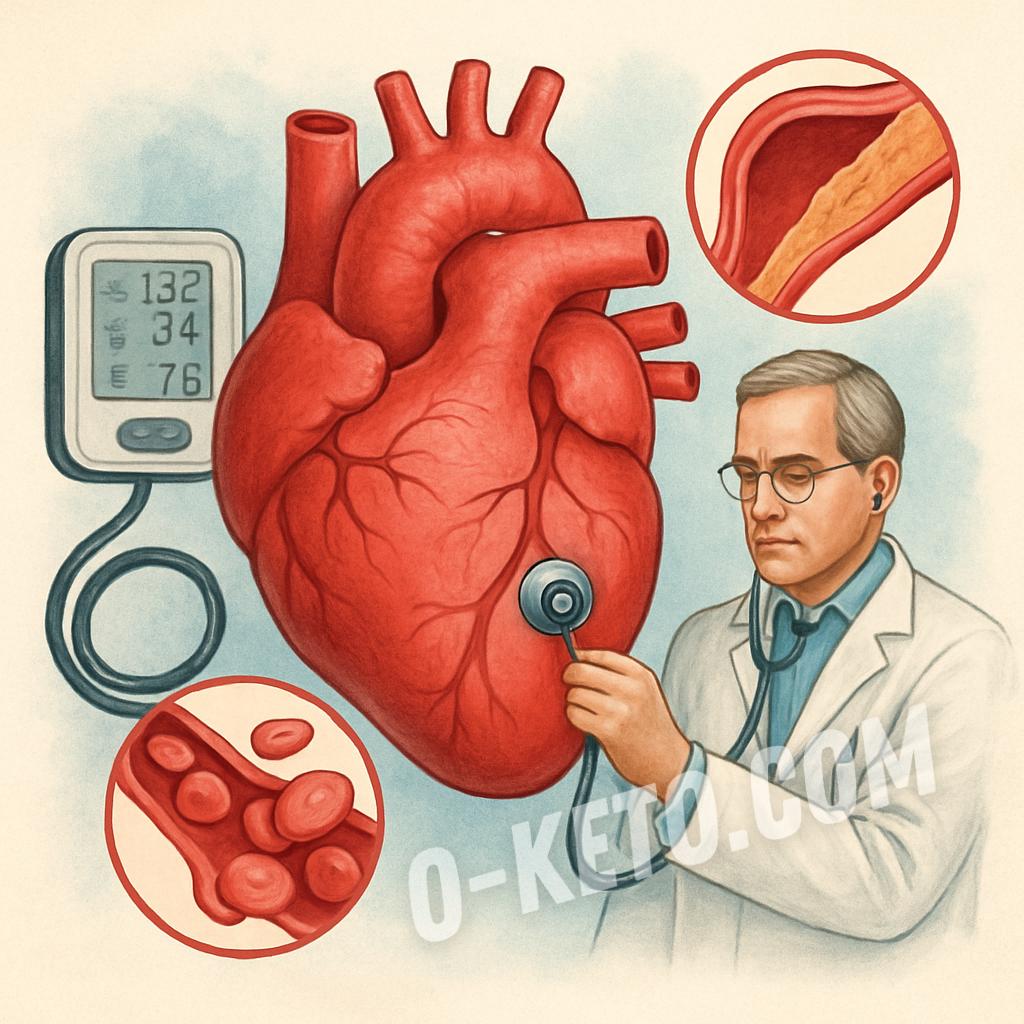
Cardiovascular diseases (CVD) are a group of diseases affecting the heart and blood vessels. They include various conditions such as ischemic heart disease, hypertension, heart failure, and others. These diseases are one of the leading causes of mortality worldwide, making them a significant health concern.
What are cardiovascular diseases?
Cardiovascular diseases encompass a wide range of conditions related to the dysfunction of the heart and blood vessels. These include:
- ischemic heart disease;
- myocardial infarction;
- stroke;
- hypertension;
- heart failure;
- peripheral artery disease.
These diseases can occur either in isolation or in combination, complicating diagnosis and treatment. The primary mechanism underlying most CVDs is atherosclerosis — a process in which plaques form on the walls of arteries, leading to narrowing of the vessels and impaired blood circulation.
Main causes and mechanisms
The causes of cardiovascular diseases can be divided into modifiable and non-modifiable risk factors. Non-modifiable factors include:
- age;
- gender;
- heredity.
Modifiable risk factors, which can be controlled, include:
- smoking;
- overweight;
- lack of physical activity;
- unbalanced diet;
- high stress levels;
- elevated cholesterol levels;
- high blood pressure.
Atherosclerosis, as the primary cause of many CVDs, begins with damage to the inner wall of the arteries, which can be triggered by high cholesterol levels, hypertension, or smoking. As a result of this process, plaques form, which can lead to thrombosis and, consequently, to a heart attack or stroke.
How do cardiovascular diseases manifest?
The symptoms of cardiovascular diseases can vary depending on the specific condition, but there are common signs to be aware of:
- chest pain or discomfort;
- shortness of breath;
- pain in the arms, back, neck, or jaw;
- nausea or sweating;
- palpitations;
- dizziness or fainting.
It is important to note that in some individuals, especially women, symptoms may be less pronounced or differ from the classic signs. Therefore, it is crucial to be aware of your risk factors and undergo regular medical check-ups.
When is medical examination particularly important?
Regular medical check-ups are especially important for individuals with risk factors for cardiovascular diseases. Examinations should be conducted at least once a year and include:
- blood pressure measurement;
- cholesterol level analysis;
- assessment of blood glucose levels;
- ECG;
- echocardiography.
If you have a family history of cardiovascular diseases or experience the symptoms described earlier, you should consult a doctor immediately. Early detection and treatment can significantly reduce the risk of serious consequences.
Nutrition and lifestyle
Proper nutrition and an active lifestyle play a key role in the prevention of cardiovascular diseases. Nutritional recommendations include:
- reducing the intake of saturated fats and trans fats;
- increasing the consumption of fiber, fruits, and vegetables;
- moderate intake of salt and sugar;
- choosing lean sources of protein, such as fish and poultry;
- limiting alcohol.
Physical activity is also an important aspect of prevention. It is recommended to engage in physical activity for at least 150 minutes a week, including aerobic exercises and strength training. This helps maintain a healthy weight, reduce stress levels, and improve overall health.
Common mistakes and limitations
Despite the availability of information about cardiovascular diseases, many people make mistakes in their understanding and approaches to prevention:
- ignoring symptoms and not undergoing regular check-ups;
- lack of physical activity, even in the absence of obvious disease signs;
- insufficient awareness of hereditary risk factors;
- overeating and ignoring dietary recommendations;
- insufficient attention to psycho-emotional state.
Cardiovascular diseases can be preventable if one follows lifestyle recommendations and undergoes regular medical examinations. Taking proactive measures to control risk factors will help maintain heart and vascular health for many years.
Psycho-emotional state and its impact on health
A person’s psycho-emotional state also plays a significant role in the development of cardiovascular diseases. Chronic stress, anxiety, and depression can negatively affect the heart. Studies show that individuals experiencing constant stress are more likely to suffer from high blood pressure and other cardiovascular disorders.
Relaxation techniques, such as meditation, yoga, and breathing exercises, can help reduce stress levels and improve overall health. It is important to take time for rest and recovery to maintain harmony in life and care for your heart.
The importance of regular physical activity
Physical activity positively affects not only physical but also psycho-emotional health. Moderate physical exercise contributes to improved circulation, strengthens the cardiovascular system, and helps control body weight. Studies show that regular sports activities can significantly reduce the risk of developing cardiovascular diseases and improve quality of life.
It is important to choose physical activities that you enjoy, whether it’s walking, swimming, dancing, or playing sports. Remember that even small changes in lifestyle can have a significant impact on heart health.
If you have any questions about the term "Cardiovascular Diseases", you can ask them to AI. Please note, a low-cost OpenAI model is used. It may answer questions about disease treatment with errors!


