


Hepatitis
Inflammation of the liver that can develop because of viruses, alcohol, medications, autoimmune processes, and other damaging factors. Interpretation depends on the cause, lab pattern, liver function, and the risk of chronic progression.


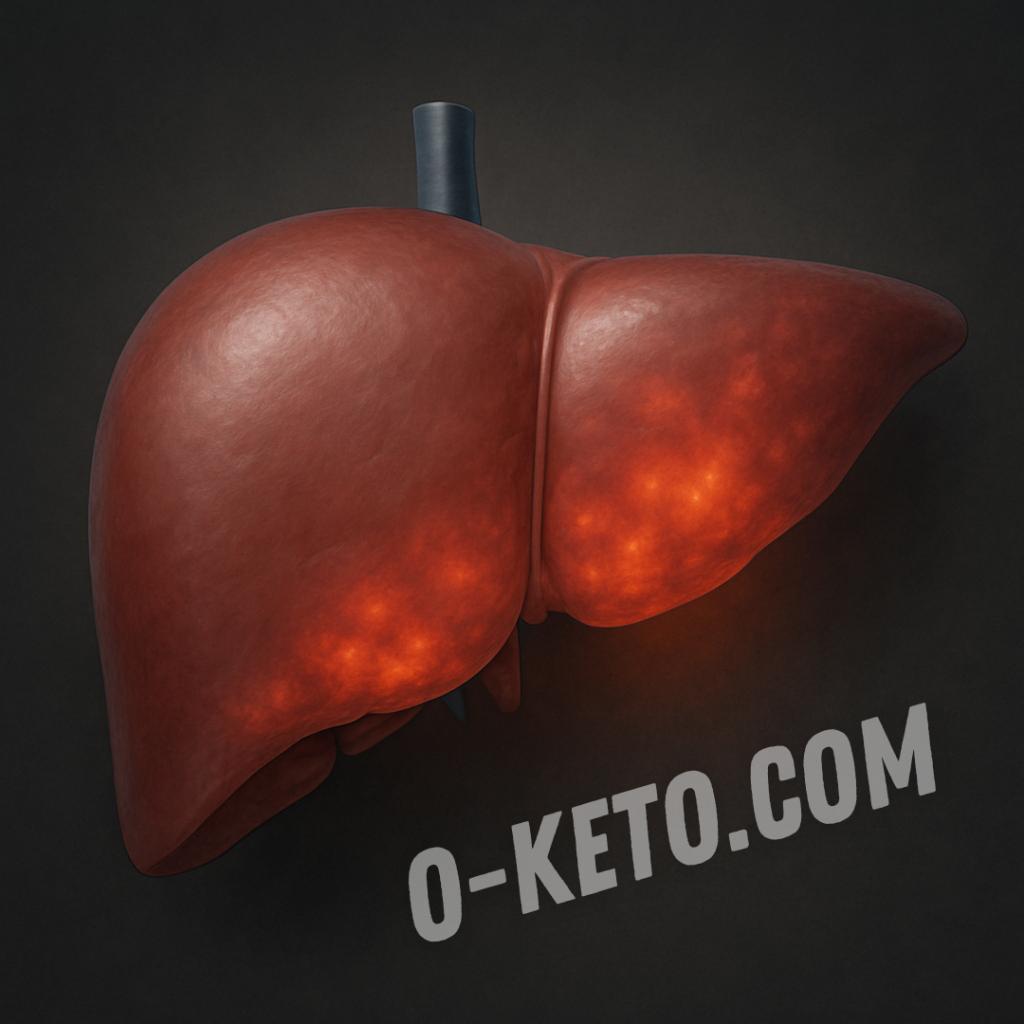
Hepatitis is an inflammation of the liver tissue, and not the name of a single disease. This word combines conditions of different origins: viral, toxic, medicinal, autoimmune, metabolic and mixed variants. This is important for humans because the liver is involved in the neutralization of substances, protein synthesis, bile function, energy exchange and the maintenance of many biochemical processes. When inflammation is severe or lasts too long, not only the organ itself suffers, but also the general condition: weakness, heaviness under the ribs, nausea, changes in blood tests, and in severe cases, jaundice, blood clotting disorders and signs of liver failure.
What exactly is hepatitis called?
The term itself describes the inflammatory process, but does not answer the main question – why it arose. In one person, the cause may be associated with the hepatitis A, B, C or E virus, in another – with alcohol, in a third – with taking medications, toxins or dietary supplements, in a fourth – with an autoimmune attack on liver cells. There are also situations when inflammation develops against the background of severe fatty degeneration of the liver, systemic infections, disorders of copper or iron metabolism, as well as severe metabolic and vascular problems.
That is why the diagnosis cannot be reduced to a single ALT analysis or to a general feeling of heaviness in the right hypochondrium. The doctor usually evaluates the whole picture: complaints, history of taking medications and alcohol, recent trips, possible contacts with infection, concomitant autoimmune diseases, ultrasound, biochemical indicators and, if necessary, special markers of viral forms.
What are the most common reasons?
Acute viral hepatitis A and E are most often associated with contaminated water, food and household contact with poor hygiene. Hepatitis B and C are usually discussed in the context of blood, sexual transmission, and medical or household procedures with risk of exposure to body fluids. But infectious causes are not the only scenario. The liver can become inflamed after an overdose of painkillers, due to a combination of several drugs, due to alcohol abuse, toxic solvents, questionable sports or “cleansing” supplements.
A separate issue is autoimmune hepatitis, in which the immune system mistakenly attacks its own liver cells. There are also drug-induced variants, when the danger is associated not with one overdose, but with the individual sensitivity of the body. Therefore, the principle “natural means safe” does not work here: the liver can react to medications, herbal mixtures, and concentrated extracts.
How does liver inflammation manifest?
In some people, the initial manifestations are vague: weakness, loss of appetite, heaviness or dull discomfort on the right side, bitterness in the mouth, nausea, intolerance to fatty foods, darkening of urine. Sometimes itching of the skin, yellowness of the sclera and skin, light-colored stools, and severe drowsiness appear. But the paradox is that significant inflammation of the liver can last for a long time with almost no noticeable sensations and be detected for the first time in tests.
Usually they look at ALT, AST, bilirubin, alkaline phosphatase, GGT, albumin, coagulation parameters, sometimes a complete blood count and inflammatory markers. It is important not only that the indicator is increased, but also how much, how long it lasts and what neighboring parameters are changed along with it. A sharp increase in enzymes in one picture and a moderate chronic deviation in another are two different clinical scenarios.
Why is it dangerous to treat hepatitis blindly?
The liver can recover, but this does not mean that any hepatitis can be “endured” at home or suppressed with a random set of supplements. If you do not understand the reason, it is easy to continue contact with the damaging factor. For example, a person may be taking a drug that actually supports inflammation, or may consider a supplement safe that actually adds stress. With viral forms, without clarifying the diagnosis, you can waste time, and with a severe toxic or autoimmune process, you can miss the moment when more active medical care is needed.
Another mistake is to focus only on whether the pain has passed. Pain does not always reflect the activity of inflammation. Sometimes you feel better, but biochemical indicators and the risk of chronicity still remain unfavorable. Therefore, control after an acute episode is usually no less important than the first days of the disease.
What is usually discussed during the recovery period
Basic measures look boring, but they are the most rational. In the acute and recovery period, alcohol is usually excluded, new drugs and supplements are not added unless absolutely necessary, medications already taken are carefully reviewed, and regular drinking and adequate nutrition are maintained without extreme regimens. The liver does not need a chaotic set of “detox” remedies; It is more important for her to remove the damaging factor and not create a new one.
Nutrition is selected according to tolerance and general condition, and not according to rigid universal lists. If there is nausea or heaviness after fatty foods, the diet is temporarily made simpler and softer. If weakness and loss of appetite are pronounced, make sure that the person does not fall into semi-starvation mode. But any radical promises of a quick “liver cleansing” here usually only distract from normal diagnosis and monitoring.
When is an urgent assessment needed?
Faster medical attention is needed for jaundice, increasing drowsiness, confusion, repeated vomiting, bleeding, sharp pain, dark urine accompanied by weakness, severe itching and a noticeable enlargement of the abdomen. Special attention is needed for people with already known liver diseases, pregnant women, the elderly, patients after recent courses of strong medications and those who are at risk of viral infection. The sooner the cause of inflammation is determined, the greater the chance of preventing chronic damage and complications.
If you have any questions about the term "Hepatitis", you can ask them to AI. Please note, a low-cost OpenAI model is used. It may answer questions about disease treatment with errors!


