


Estrogen dominance
A condition in which the influence of estrogen is relatively stronger than that of progesterone. It is discussed in cases of mastopathy, PMS, heavy menstruation, fluid retention, mood swings and cyclical breast tenderness, but it must be assessed not by one symptom, but by a combination of complaints, tests and metabolic context.
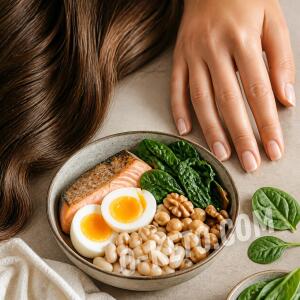

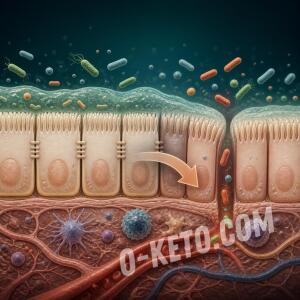

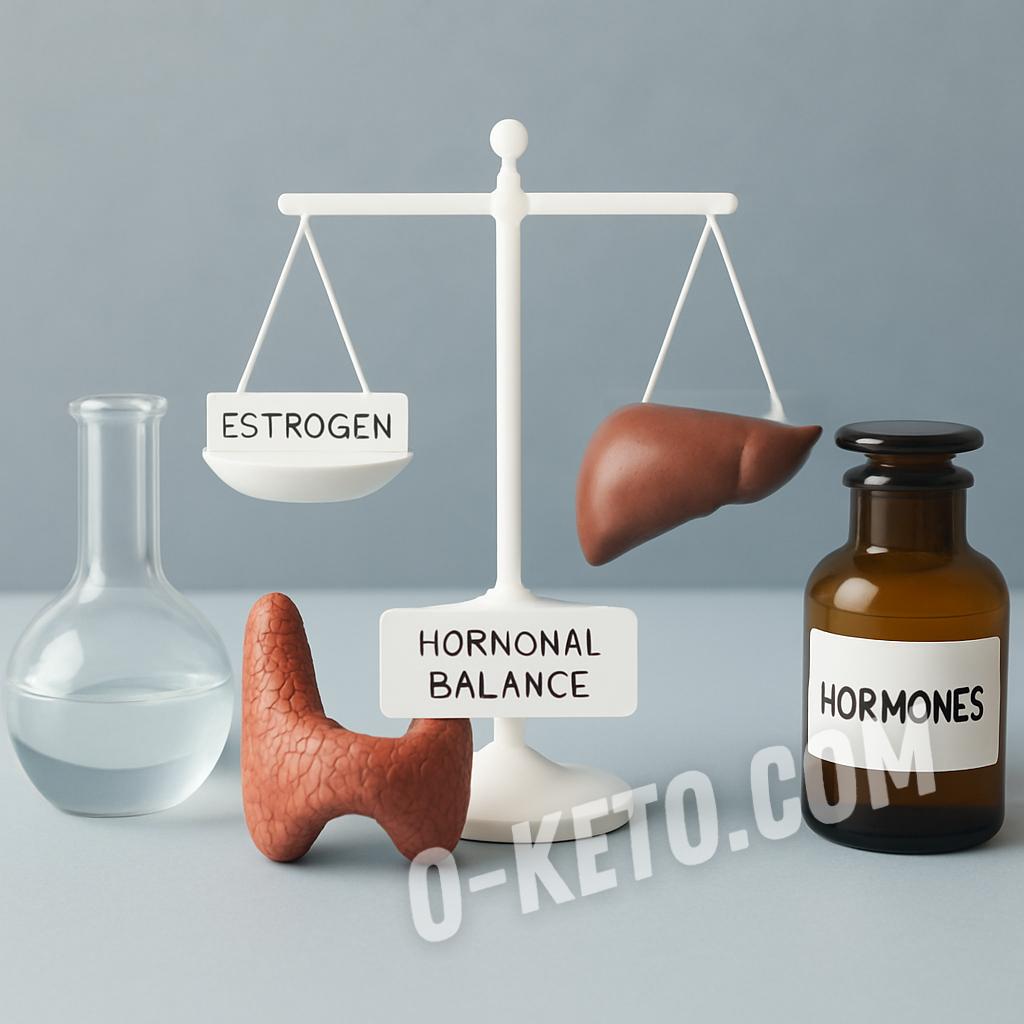
Estrogen dominance is a condition in which the estrogenic effect on tissues is relatively stronger than progesterone. We are not always talking about the fact that estrogen in the analysis is necessarily “off scale”. In practice, the problem often arises when estrogen is in the normal range, but progesterone is not enough, ovulation is unstable, hormone metabolism in the liver is impaired, there is insulin resistance, excess adipose tissue or chronic stress. That is why the topic is not reduced to one pill, one test or one complaint. Most often it is raised with mastopathy, PMS, breast tenderness and engorgement, severe fluid retention, heavy premenstrual period, heavy menstruation, irritability and cyclic headaches.
n
What is usually meant by estrogen dominance?
n
In clinical and nutritional practice, this condition is usually understood not as a separate diagnosis, but as a hormonal imbalance in which estrogenic signals to tissues are too noticeable relative to the second phase of the cycle and progesterone support. In some women, this is associated with anovulatory cycles, when ovulation occurs rarely or is unstable. For others, the problem is exacerbated by excess visceral fat, because adipose tissue itself is involved in hormonal metabolism. Additional contributions may include chronic stress, excess alcohol, inactivity, liver overload, severe insulin resistance, and nutrient deficiencies that interfere with normal steroid hormone metabolism.
n
It is important to understand that the symptoms overlap with dozens of other conditions. Breast tenderness occurs not only with a relative excess of estrogen, but fluid retention and mood swings also occur with sleep deficiency, problems with the thyroid gland, hypercortisolism and simple fatigue. Therefore, it is useful to consider estrogen dominance as a working hypothesis, which is then tested using the cycle, anamnesis, complaints and laboratory data.
n
What are the most common complaints?
n
The following manifestations are most often discussed: engorgement and sensitivity of the mammary glands before menstruation, increased symptoms of mastopathy, more severe PMS, severe irritability in the second phase of the cycle, heavy or prolonged menstruation, a tendency to swelling, weight gain and changes in appetite. For some women, migraine-like headaches, deterioration of well-being in the luteal phase and the feeling that the body is less able to tolerate even a normal cycle come to the fore.
n
At the same time, the mere presence of one complaint does not prove anything. For example, breast tenderness can increase with iodine deficiency, high prolactin, and unstable ovulation. Therefore, it is incorrect to associate any symptom only with “excess estrogen”. It is much more useful to look at the recurrence of symptoms across the phases of the cycle and how they combine with tests, body composition, sleep and stress levels.
n
What can support this condition?
n
One of the most common background factors is insulin resistance and excess adipose tissue. When insulin levels rise, inflammation increases, ovarian function changes, and metabolic flexibility deteriorates. Against this background, ovulation is more easily disrupted, and therefore the production of progesterone in the second phase. The second major factor is overload of the liver and bile excretion. Estrogens must be metabolized and eliminated normally, and if this pathway does not work well, complaints may become more noticeable.
n
We must not forget about the thyroid gland. With hypothyroidism, subclinical decreased thyroid function or iodine deficiency, the cycle in some women becomes more unstable, and the symptoms of mastopathy, swelling and weakness become more pronounced. A separate layer is chronic stress: high cortisol, sleep deprivation and constant stress can impair ovulation, appetite, insulin sensitivity and overall recovery.
n
What examinations help to understand
n
In practice, it is not only estradiol that is usually assessed. The phase of the cycle, the presence of ovulation, progesterone in the second phase, TSH and sometimes free thyroid hormones, prolactin, ferritin, B12, glucose, insulin, lipid profile and liver parameters are important. If you have complaints from the mammary glands or heavy menstruation, you may need an in-person examination, ultrasound, and examination by a gynecologist. If the cycle is irregular, it is especially important to separate functional fluctuations from conditions such as hypothyroidism, polycystic ovary syndrome, hyperprolactinemia and other causes.
n
Therefore, the correct approach looks like this: first understand whether there are any objective signs of ovulatory insufficiency, deficiencies, problems with the thyroid gland, high insulin or stagnation in the liver and bile excretion. After this, it makes sense to discuss support schemes, and not try to treat any bloating or PMS with the word “estrogen dominance”.
n
What do they usually do in support?
n
The work almost always starts not with exotic additives, but with a basic metabolic background. If you are overweight and have high insulin, it is important to reduce carbohydrate overload, normalize protein, get enough fiber, sleep and regular physical activity. In case of deficiencies, the deficiency of vitamin D, B12, iron, magnesium or iodine is first compensated for, if it is truly confirmed and there are no contraindications. For mastopathy and cyclic discomfort, we additionally discuss working with biliary excretion, liver, microcirculation and nutrients involved in hormonal metabolism.
n
Support regimens may contain iodine, selenium, choline, inositol, calcium D-glucarate, diosmin with hesperidin and other agents, but their logic is different. Some are needed for hormone metabolism and thyroid function, others for venous stagnation and swelling, and others for tissue sensitivity to insulin. Therefore, the support set should always be tied to a specific picture, and not to a buzzword.
n
When you shouldn’t treat yourself
n
You should not limit yourself to self-help if heavy bleeding, rapid enlargement of nodes or cysts, severe chest pain, irregular cycles, suspected anovulation, severe migraines, infertility, severe weight gain or obvious symptoms of hypothyroidism come to the fore. Special attention is required in cases where a woman is already taking hormonal medications, has thyroid disease or an autoimmune process. In such a situation, trying to randomly add iodine, progesterone agents or large doses of dietary supplements can worsen the picture.
n
It is useful to perceive estrogen dominance not as a ready-made diagnosis for all occasions, but as a marker that an imbalance has appeared in the cycle, thyroid gland, metabolism or lifestyle. The more accurately the source of this imbalance can be understood, the less temptation there is to treat symptoms blindly and the greater the chance of achieving lasting improvement in well-being.
If you have any questions about the term "Estrogen dominance", you can ask them to AI. Please note, a low-cost OpenAI model is used. It may answer questions about disease treatment with errors!


 1 / 4
1 / 4
 1 / 4
1 / 4


