


Back Pain
Back pain is a common problem that affects people of all ages. It can be caused by various factors, including poor posture, physical strain, and injuries. Proper diagnosis and treatment play a key role in alleviating symptoms and restoring functionality. Regular exercise and taking care of back health can help prevent recurrences.


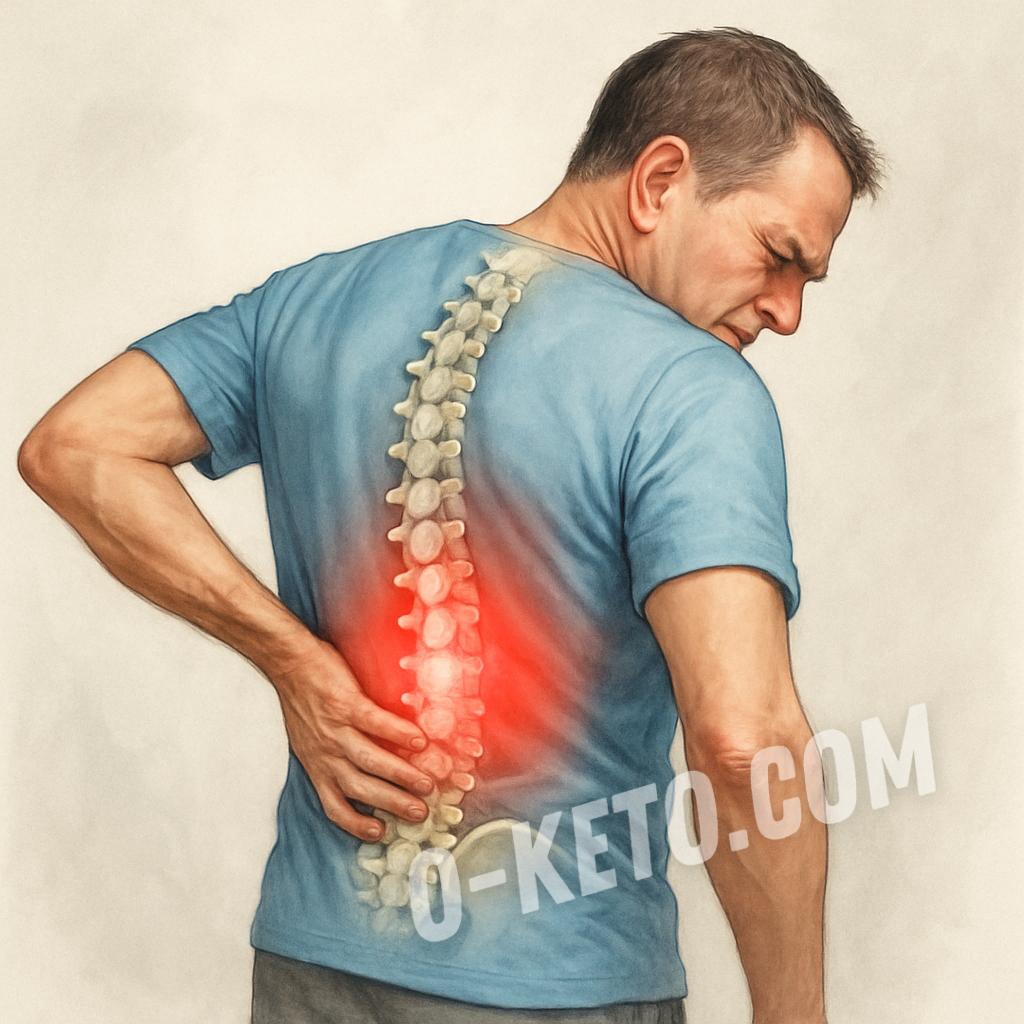
Back pain is a common condition that can range from mild discomfort to severe pain. It can occur in both young and older individuals and can be caused by a multitude of factors. Understanding the nature of back pain, its causes, and manifestations helps in effective treatment and prevention. This article examines key aspects related to this issue.
What is back pain?
Back pain is a common medical condition characterized by discomfort or pain in the spinal area. It can be acute or chronic, localized or radiating. Acute pain lasts less than three months, while chronic pain may persist for more than three months. Pain can occur in various sections of the spine: cervical, thoracic, or lumbar.
It is important to note that back pain can have a significant impact on quality of life. It can interfere with daily tasks, limit physical activity, and cause emotional issues such as anxiety and depression. Therefore, it is crucial not only to understand what back pain is but also to know how to cope with it.
Main causes and mechanisms of back pain
There are many causes that contribute to the onset of back pain. These include:
- muscle or ligament strains;
- degenerative changes in intervertebral discs;
- osteochondrosis;
- herniated intervertebral disc;
- scoliosis and other postural disorders;
- injuries and bruises;
- arthritis and inflammatory diseases of the spine;
- infections and tumors.
The mechanisms of pain onset are diverse. For example, soft tissue damage can lead to inflammation, causing pain sensations. Degenerative changes in discs and joints can compress nerve roots, which also causes pain. It is important to consider individual body characteristics, as the same factor can cause different manifestations of pain in different people.
Additionally, psychological factors such as stress and anxiety can also contribute to the onset or exacerbation of back pain. Understanding these aspects can help in choosing more effective treatment and prevention methods.
How does back pain manifest?
Back pain can manifest in various ways, depending on the cause and severity. The main manifestations include:
- acute pain that occurs suddenly;
- dull, aching pain that may worsen with movement;
- burning or shooting pain radiating to the legs;
- limited mobility;
- numbness or tingling in the limbs;
- muscle weakness.
Each of these symptoms can indicate different pathologies. For example, burning pain that radiates to the leg may be associated with a disc herniation, while dull pain may indicate muscle strain. Understanding the symptoms allows for a more accurate determination of possible causes and selection of appropriate treatment.
It is important to remember that symptoms of back pain can vary not only in nature but also in intensity. In some cases, pain may occur after prolonged sitting or improper lifting of weights. It is crucial to pay attention to such triggers to minimize the risk of pain onset.
When is it important to see a doctor?
Seeing a doctor becomes necessary in the following cases:
- if the pain does not go away after a few days;
- if the pain worsens or becomes unbearable;
- if there are additional symptoms such as loss of control over urination or defecation;
- if the pain is accompanied by unexplained weight loss;
- if there is a history of cancer or other serious illnesses;
- if the pain arose after an injury.
A medical examination may include a physical examination, X-rays, MRI, or CT scans to accurately determine the cause of the pain and choose the optimal treatment. Do not ignore symptoms, as some conditions require urgent medical attention.
It is also helpful to keep a pain diary, recording when and under what circumstances it occurs. This can help the doctor diagnose more quickly and suggest appropriate treatment methods.
Nutrition and lifestyle with back pain
Although nutrition and lifestyle are not primary factors causing back pain, they can significantly affect overall health and the body’s ability to recover. It is recommended to:
- maintain a normal weight to reduce stress on the spine;
- consume foods rich in calcium and vitamin D to support bone health;
- avoid high-calorie and processed foods;
- drink sufficient water to maintain hydration;
- include antioxidant-rich foods in the diet to reduce inflammatory processes;
- practice regular physical activity, including exercises to strengthen back muscles.
A healthy lifestyle can help in the prevention of back pain and speed up the recovery process if it occurs. Exercises aimed at strengthening back muscles and improving flexibility can be especially beneficial. It is also important to pay attention to proper posture while performing daily tasks.
Common mistakes and limitations in treating back pain
There are several common mistakes that can worsen the condition:
- ignoring pain and not seeing a doctor;
- lack of physical activity;
- self-treatment without consulting a specialist;
- using inappropriate treatment methods, such as excessive strain on the back;
- poor posture while sitting or lifting.
It is important to remember that the approach to treating back pain should be individualized and consider all aspects of the patient’s health. Professional help and a comprehensive approach to therapy can significantly improve quality of life and reduce the risk of recurrence.
Additionally, using relaxation methods such as yoga or meditation can help cope with the emotional aspects of pain. These methods can promote stress reduction and improve overall well-being.


If you have any questions about the term "Back Pain", you can ask them to AI. Please note, a low-cost OpenAI model is used. It may answer questions about disease treatment with errors!


