


Thrombosis
The condition in which blood clots form in the blood vessels can lead to serious health consequences. Thrombosis often affects the venous system, causing swelling and pain, and can also lead to more dangerous complications, such as pulmonary artery thromboembolism. Prevention and timely treatment play a key role.


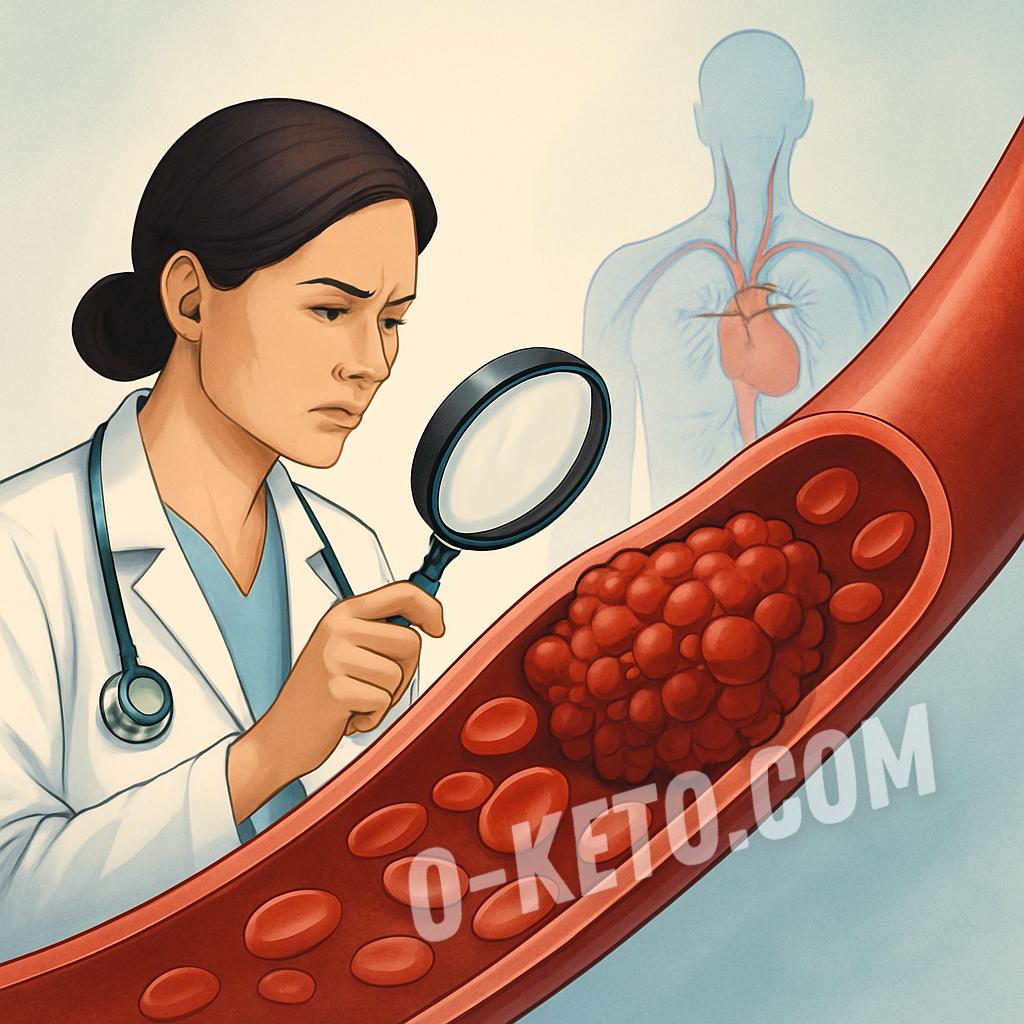
Thrombosis is a pathological process in which a thrombus forms within the lumen of a blood vessel, leading to impaired blood circulation. This process can affect both arteries and veins and can have serious health consequences. Understanding the mechanisms of thrombosis, its causes, and manifestations is crucial for diagnosing and treating this condition.
What is thrombosis?
Thrombosis is the formation of a thrombus in a blood vessel, resulting in partial or complete blockage of blood flow. A thrombus can consist of platelets, fibrin, and other blood components. Depending on the location of the thrombus, thrombosis is classified as venous or arterial. Venous thrombosis most commonly occurs in the deep veins of the legs, while arterial thrombosis can lead to myocardial infarction or stroke.
Thrombosis can be acute or chronic. Acute thrombosis develops suddenly and requires immediate medical intervention, whereas chronic thrombosis can develop gradually and present with less pronounced symptoms. It is important to note that thrombi can form in any vessel, including veins, arteries, and even capillaries, making this condition extremely diverse.
Main causes and mechanisms of thrombosis
Factors contributing to the development of thrombosis can be varied and are divided into three main groups known as Virchow’s triad:
- slowed blood flow, which can be caused by prolonged immobility, such as during long trips or after surgeries;
- damage to the vessel wall, which can occur as a result of trauma, inflammation, or atherosclerosis;
- changes in blood composition, such as an increased platelet count or alterations in the coagulation system.
Each of these factors can contribute to thrombus formation, and their combination significantly increases the risk of thrombosis. For example, prolonged immobility can be combined with changes in blood condition, creating ideal conditions for thrombus formation.
How does thrombosis manifest?
The symptoms of thrombosis depend on its location. In venous thrombosis, the following manifestations may be observed:
- swelling and tenderness in the area of the affected vessel;
- redness and increased skin temperature;
- a feeling of heaviness in the limb;
- in rare cases, acute pain may occur.
Arterial thrombosis may present differently. For example, in coronary artery thrombosis, symptoms associated with myocardial infarction may arise, such as:
- sharp chest pain;
- radiating pain to the left arm, neck, or jaw;
- loss of consciousness or weakness;
- sweating and a sense of anxiety.
It is important to remember that thrombosis can be asymptomatic, especially in the early stages, making it dangerous and requiring attention. In some cases, a thrombus may detach and travel through the circulatory system, potentially leading to more serious complications, such as pulmonary embolism.
When is medical examination particularly important?
Examination is necessary in the following cases:
- in the presence of risk factors such as obesity, diabetes, hypertension;
- after recent surgeries or long trips;
- if symptoms mentioned earlier occur, especially if they arise suddenly;
- if there is a family history of thrombosis.
Medical examination may include ultrasound, computed tomography, or blood tests to determine platelet levels and other indicators. Timely diagnosis of thrombosis can significantly improve prognosis and reduce the risk of serious complications.
Nutrition and lifestyle
Proper nutrition and a healthy lifestyle can reduce the risk of thrombosis. It is recommended to:
- consume an adequate amount of vegetables and fruits rich in vitamins and antioxidants;
- avoid excessive intake of saturated fats and trans fats;
- maintain normal hydration levels to prevent blood thickening;
- engage in regular physical activity to improve blood circulation.
It is also important to avoid smoking and control stress levels, as these factors can contribute to the development of thrombosis. Including foods rich in omega-3 fatty acids, such as fish and nuts, can help improve vascular health and reduce the risk of thrombus formation. Additionally, regular physical activities like walking, swimming, or sports can enhance blood circulation and strengthen blood vessels.
Common mistakes and limitations
Common mistakes include:
- underestimating symptoms and delaying seeking medical attention;
- neglecting preventive measures in the presence of risk factors;
- lack of physical activity and poor nutrition;
- self-treatment without consulting a specialist.
It is important to remember that thrombosis is a serious condition that requires careful attention and timely intervention. Always be attentive to your health and consult a doctor if suspicious symptoms arise. Timely diagnosis and treatment can save lives and prevent the development of serious complications associated with thrombosis.
If you have any questions about the term "Thrombosis", you can ask them to AI. Please note, a low-cost OpenAI model is used. It may answer questions about disease treatment with errors!


