


Normocaloric diet
A diet in which energy intake roughly matches energy expenditure, so body weight is maintained on average. It is not a separate food list, but a calorie, protein, fat and carbohydrate setup for weight maintenance, recovery or metabolic stabilization.


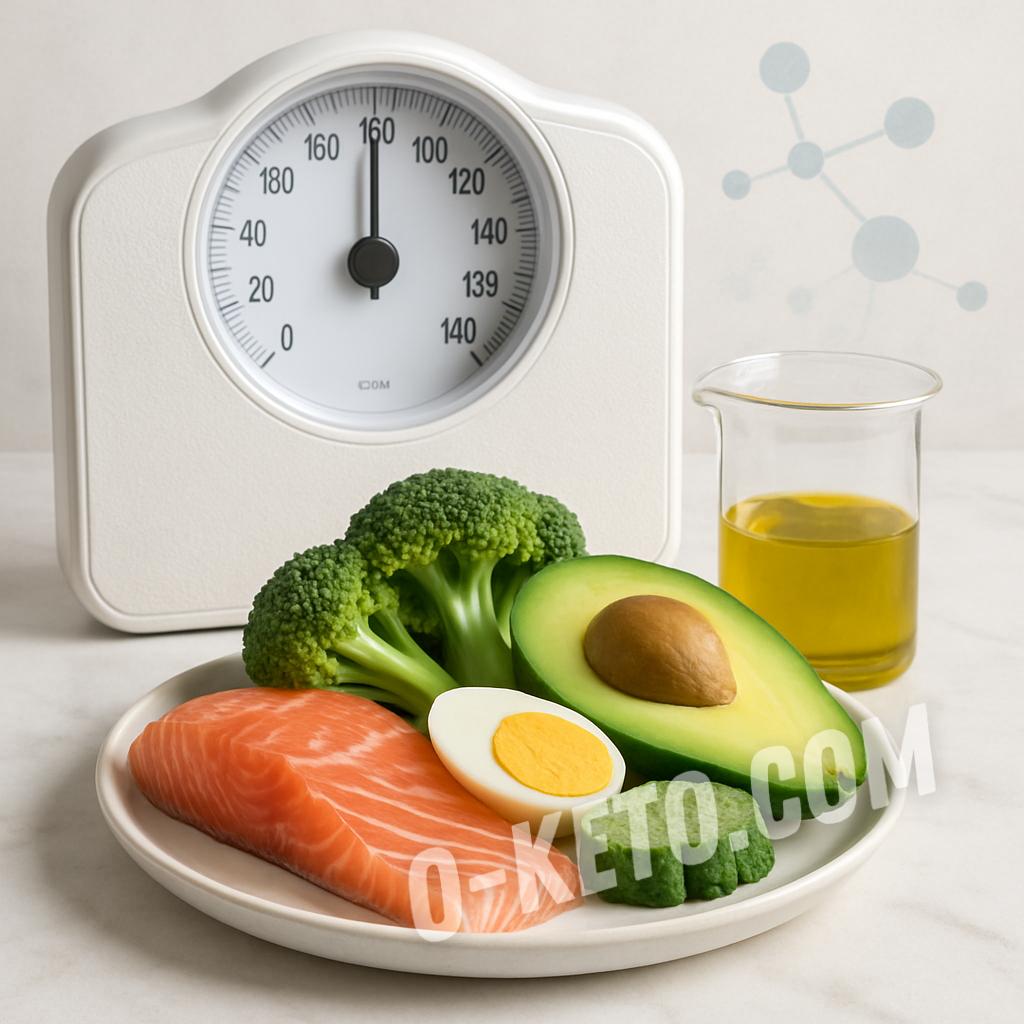
A normocaloric diet is a diet in which energy intake roughly matches energy expenditure. In this setup, the person is not deliberately trying to lose or gain weight, but to maintain body weight, body composition and performance. It is not a separate diet defined by foods. The same low-carb, Mediterranean or high-protein diet can be calorie-deficient, normocaloric or excessive depending on energy intake.
Normocaloric eating matters not only for weight maintenance. It can be useful after a strict diet, during menstrual-cycle recovery, with high training load, after illness, while working on overeating, and in situations where a calorie deficit worsens sleep, mood, libido, thyroid function or recovery. Sometimes the useful step is to stop dieting and stabilize rather than keep cutting food.
How to find maintenance
Maintenance calories cannot be calculated perfectly with one formula. Expenditure depends on body weight, muscle mass, age, sex, steps, training, sleep, temperature, menstrual cycle, stress, medication and dieting history. A calculator can provide a starting point, but real maintenance is seen through trends in weight, waist, hunger, energy and training over several weeks.
Body weight does not have to stay on the same number every day. Water, sodium, glycogen, cycle phase, gut contents, inflammation and training all change scale weight. Averages, photos, measurements, strength, well-being and appetite stability are more useful. If weight slowly rises or falls for weeks, the diet is not maintenance for the current expenditure.
Protein and body composition
The same calorie intake can produce different results. A diet with enough protein, strength training and good sleep supports muscle mass better than a diet made of random snacks and low protein. Normocaloric eating is therefore not permission to eat anything within a number if the goal includes health, satiety and body composition.
Each main meal should contain a clear protein source: meat, fish, eggs, poultry, seafood, cottage cheese, cheese or other suitable foods. Fats and carbohydrates are adjusted according to tolerance, activity and metabolic state. A person with insulin resistance may feel better with lower carbohydrates, while an athlete with high training volume may need a moderate carbohydrate intake.
Keto, LCHF and weight maintenance
A low-carbohydrate diet can be normocaloric when fat, protein and total energy match expenditure. After weight loss, many people need to review fat intake: what helped at the start may become excess at maintenance. Butter, nuts and fatty sauces should not be added simply because they are keto if there is no hunger and weight is rising.
On the other hand, very low calorie intake on LCHF can be masked by strong satiety. A person may eat too little, while weight appears stable because of water and stress, yet training drops, hands feel cold, sleep worsens and irritability rises. A normocaloric phase helps test what happens with adequate energy, protein, sodium and recovery.
When maintenance is better than deficit
A maintenance phase is often useful after long dieting, during a plateau, with high fatigue, frequent overeating episodes, menstrual disruption, low libido, athletic recovery, after infections and while working on eating behavior. It is not a step backward, but a stabilization stage. The body needs to learn to live at the new weight without constant threat signals.
Normocaloric eating also helps assess deficiencies more honestly. If weakness, hair loss, swelling, constipation, low mood or poor sleep continue with adequate energy, the cause may be protein, iron, B12, thyroid function, medication, stress or disease rather than calories. In a permanent deficit, such causes are easily mistaken for something to endure.
Common mistakes
The first mistake is treating maintenance as exact mathematics. Food labels, apps and wearable energy estimates all have errors. The second is raising calories after a strict diet using mainly ultra-processed food. The third is forgetting that expenditure after weight loss is often lower than before because the body is smaller and may move more efficiently.
A workable approach is calmer: choose an approximate level, hold it for several weeks and watch average weight, waist, hunger, sleep, training and mood. If weight is stable, energy is sufficient and food does not feel like constant conflict, the diet is close to maintenance. If not, adjustments are made gradually rather than through another harsh restriction.
If you have any questions about the term "Normocaloric diet", you can ask them to AI. Please note, a low-cost OpenAI model is used. It may answer questions about disease treatment with errors!


