


Ketogenic adaptation
The body’s shift toward using fatty acids and ketone bodies takes time, electrolytes, adequate protein, sleep and gradual training adjustment. It is not just ketones appearing in urine; muscles, liver, brain, water and minerals all adapt.


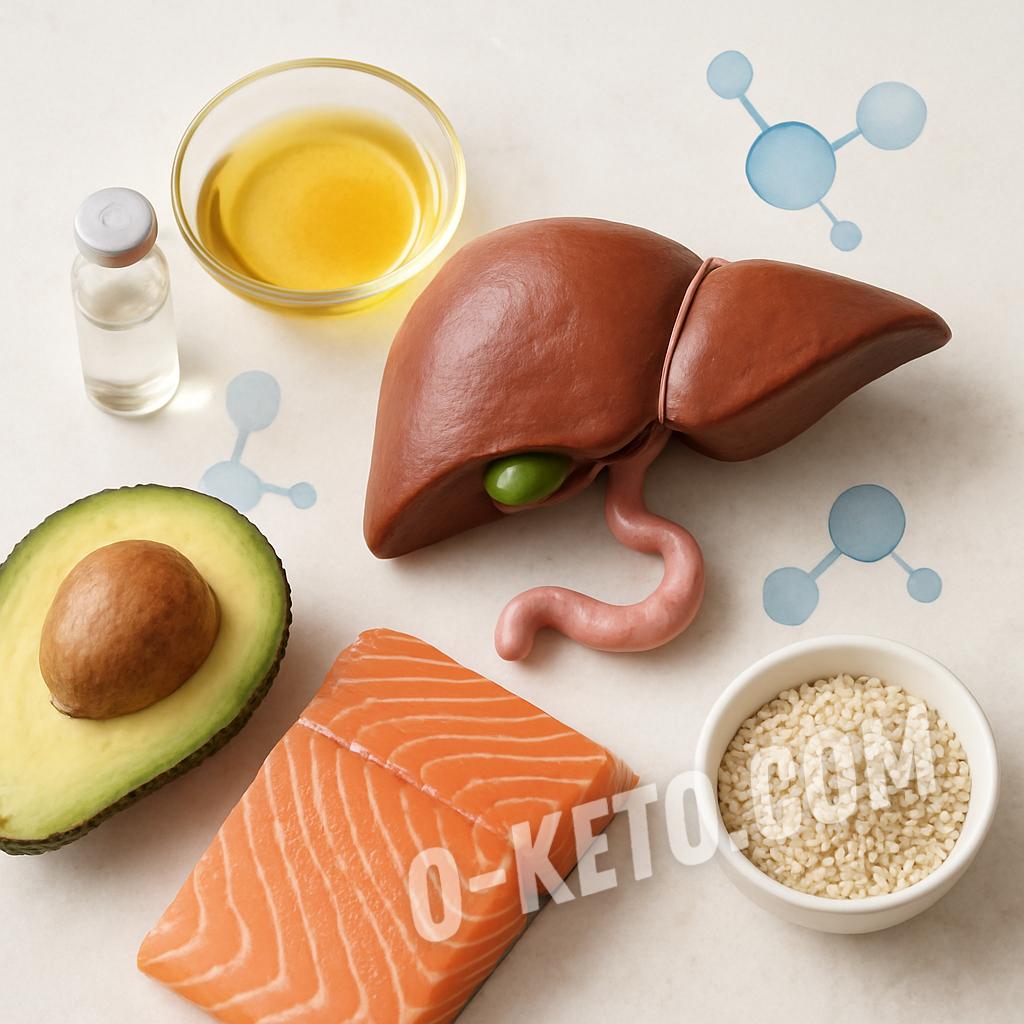
Ketogenic adaptation is the period during which the body becomes more efficient at using fatty acids and ketone bodies as fuel when carbohydrate availability is low. It is not the same as the first appearance of ketones in urine or blood. Ketones may rise within days, while fuller adaptation of muscles, brain, liver, fluid balance, electrolytes and training tolerance takes longer. The first weeks of keto can therefore feel very different from the state after one or two months.
At the beginning, insulin falls, glycogen is used, water bound to glycogen is lost and sodium, potassium and magnesium needs may change. A person may feel weakness, headache, palpitations, cramps, lower endurance, irritability or brain fog. This does not always mean that low-carbohydrate eating is unsuitable. The cause is often a rapid fuel shift, too little salt, fluids, energy, protein or sleep.
Metabolic changes
When carbohydrate intake decreases, the liver produces more ketone bodies and tissues gradually improve their ability to use them. Muscles may initially compete with the brain for ketones, then rely more on fatty acids and spare ketones for other tissues. The brain does not completely stop using glucose, but during adaptation it can cover a significant share of its energy needs with beta-hydroxybutyrate and acetoacetate.
Gluconeogenesis, fluid balance and the response to exercise also change. Morning glucose may temporarily look higher than expected because of stress hormones or the dawn phenomenon. Ketones can vary with sleep, training, protein, stress and time of day. One ketone reading therefore does not describe the whole adaptation. Energy stability, hunger, sleep, blood pressure, training tolerance and eating behavior matter more.
Electrolytes, protein and energy
A common reason for a rough start is underestimating sodium. When insulin falls, the kidneys excrete more sodium and water, so the previous salt intake may become insufficient. Symptoms are worse when a person cuts carbohydrates, fears salt and eats too little at the same time. Magnesium and potassium matter too, but they should not be added blindly in kidney disease, heart medication use or rhythm disorders.
Protein is needed for muscle, enzymes, immunity, liver function and recovery. Fear of protein for the sake of higher ketones can impair adaptation because the body loses building material. Fat provides energy and satiety, but if the diet is too low in calories or built from butter coffee instead of real meals, adaptation may feel like chronic stress.
Training and performance
During the transition, high-intensity training often suffers temporarily because muscles are used to a different fuel balance and glycogen is lower. Low-intensity activity and walking are usually easier. With adaptation, many people regain endurance, but explosive power and very intense intervals may require a different strategy, sometimes including targeted carbohydrates or a less strict LCHF approach.
Poor performance is not always solved by raising ketones. Sleep, calories, salt, adequate protein, iron, thyroid function, reduced training volume during the transition and gradual progression may matter more. Increasing weakness, fainting, arrhythmias, vomiting, a sharp drop in blood pressure or signs of hypoglycemia are not ordinary adaptation and need assessment.
Signs of good adaptation
Good signs include steady energy between meals, fewer snack cravings, normal sleep, clear thinking, stable blood pressure, predictable glucose, preserved strength and no obsessive hunger. Weight may drop quickly during the first week because of water, then slow down. This is normal. Long-term waist change, wellbeing, laboratory markers and diet sustainability are more important.
Ketogenic adaptation should not become a race for maximum ketones. Excessive focus on numbers can lead to under-eating, fear of protein and poor recovery. The goal is not a constantly high meter reading, but the ability to use fats and ketones calmly while preserving safety, nutrition, muscle and normal life.
If you have any questions about the term "Ketogenic adaptation", you can ask them to AI. Please note, a low-cost OpenAI model is used. It may answer questions about disease treatment with errors!


