


Respiratory organs
The organ system that conducts air, supports gas exchange and regulates oxygen, carbon dioxide and acid-base balance. It includes the nasal cavity, pharynx, larynx, trachea, bronchi, lungs, pleura and respiratory muscles.
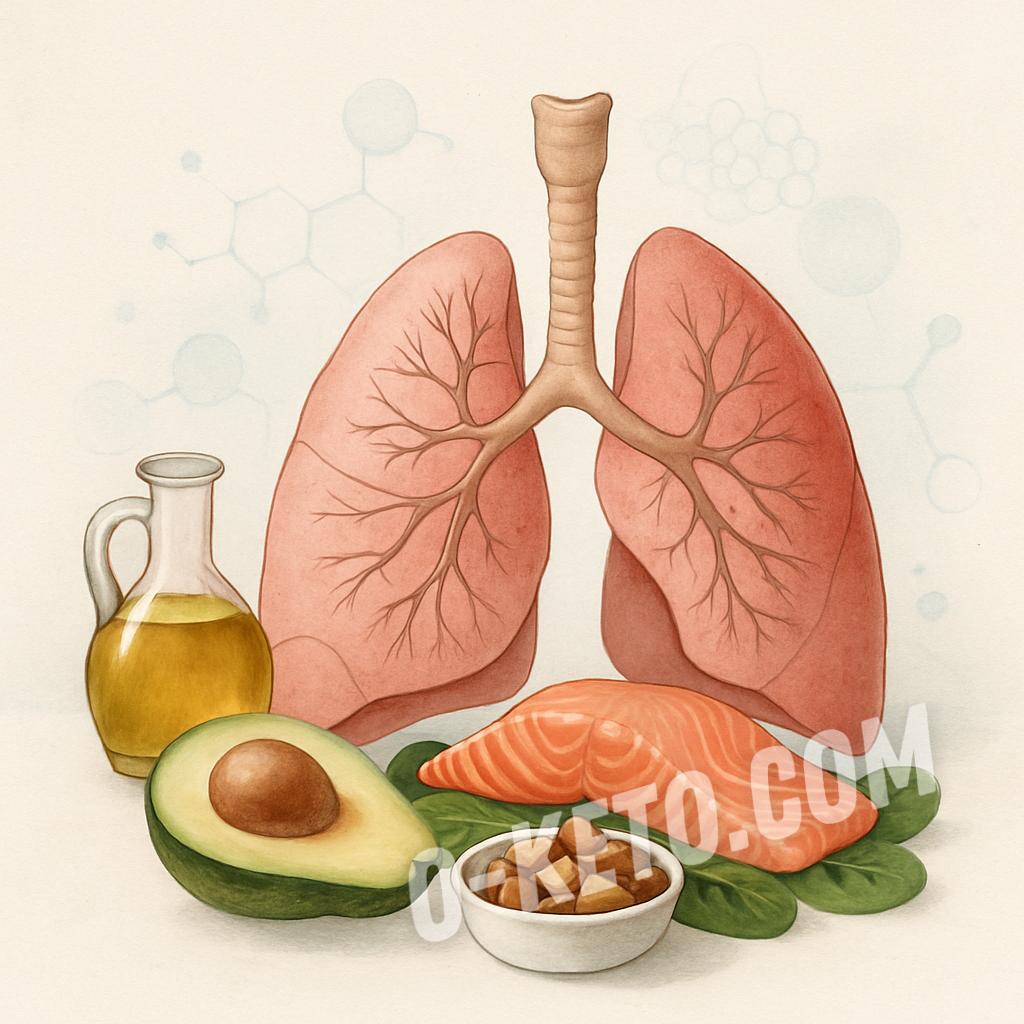
The respiratory organs form the system that conducts air, cleans and humidifies it, supports gas exchange and helps maintain acid-base balance. This system includes the nasal cavity, paranasal sinuses, pharynx, larynx, trachea, bronchi, lungs, pleura, diaphragm and intercostal muscles. Breathing is not only oxygen intake; it is also carbon dioxide removal.
Oxygen is needed by cells for mitochondrial energy production, while carbon dioxide is important for blood pH regulation, vascular tone and oxygen release from hemoglobin. The respiratory system is therefore closely connected with the heart, vessels, kidneys, nervous system, metabolism and physical endurance.
Upper and lower airways
The nasal cavity filters, warms and humidifies air. Nasal breathing is also connected with nitric oxide production in the paranasal sinuses, which may influence vascular tone and local defense. Constant mouth breathing due to congestion, sleep apnea, allergy or anatomical issues can worsen sleep, dry mucous membranes and exercise tolerance.
The larynx, trachea and bronchi conduct air toward the lungs. The bronchial tree branches into small bronchioles, and gas exchange occurs in the alveoli. Alveoli are surrounded by capillaries, where oxygen moves into the blood and carbon dioxide is removed. Alveolar damage, bronchial inflammation or impaired blood flow quickly affects breathing.
Diaphragm and breathing mechanics
The diaphragm is the main dome-shaped breathing muscle. During inhalation it descends, the chest expands and air enters the lungs. Intercostal muscles and muscles of the neck and abdomen assist depending on demand. If breathing is constantly shallow, chest-dominant or tense, a person may feel short of breath even without severe lung disease.
Excess body weight, especially abdominal obesity, limits diaphragm movement and increases respiratory load. Sleep apnea, snoring, daytime sleepiness, morning headaches and high blood pressure are often related not only to the nose or throat, but also to metabolic state, weight and airway tone during sleep.
Gas exchange and acid-base balance
The lungs rapidly regulate carbon dioxide. If breathing becomes too frequent and deep without need, CO2 may fall, vessels constrict and dizziness, tingling, anxiety and a feeling of air hunger can appear. If ventilation is insufficient, CO2 rises and sleepiness, headache, weakness and respiratory failure risk increase.
The kidneys regulate acid-base balance more slowly through bicarbonate and acid excretion. Lungs and kidneys therefore work as a linked system. In ketoacidosis, kidney failure, severe infection or lung disease, breathing may change not randomly, but as the body’s attempt to maintain blood pH.
Nutrition, keto and breathing
Low-carbohydrate nutrition can reduce respiratory load in people with obesity if it helps lower visceral fat, blood pressure, reflux and sleep apnea. But an abrupt calorie deficit, dehydration, electrolyte deficiency or ketoacidosis in a person with diabetes can instead cause weakness, shortness of breath or unusual deep breathing.
Respiratory muscles need protein, magnesium, potassium, iron, B12 and adequate energy. Anemia can cause shortness of breath even when the lungs are normal because the blood carries oxygen less effectively. Low protein intake and low muscle mass reduce respiratory muscle reserve, especially in older adults and after prolonged illness.
What harms respiratory organs
Smoking, air pollution, occupational dust, mold, chronic infections, allergy, asthma, COPD, obesity, reflux, inactivity and poor sleep can all impair respiratory function. Airway inflammation is often maintained not by one factor, but by a combination of environment, immunity, mucous membranes, microbiota and overall metabolic state.
Training improves ventilation, heart function, capillarization and respiratory muscle strength. But chest pain, wheezing, a sudden drop in endurance, coughing blood or severe shortness of breath should not be pushed through. The cause needs to be understood first.
When help is needed
Urgent medical help is needed with sudden shortness of breath, blue lips, chest pain, confusion, coughing blood, a severe asthma attack, oxygen saturation below the usual level, marked weakness after infection or unusual deep breathing in a person with diabetes. These signs may indicate conditions where time matters.
Practical support starts with not smoking, managing weight and sleep apnea, treating allergy and asthma, regular movement, enough protein, correction of anemia, good sleep and air with less dust and mold. Breathing reflects not only the lungs, but the person’s whole metabolic and vascular context.
If you have any questions about the term "Respiratory organs", you can ask them to AI. Please note, a low-cost OpenAI model is used. It may answer questions about disease treatment with errors!


