


Ketoacidosis
A dangerous state in which ketone bodies accumulate together with a serious acid-base disturbance. It should not be confused with ordinary nutritional ketosis: ketoacidosis requires urgent medical assessment, especially in type 1 diabetes.


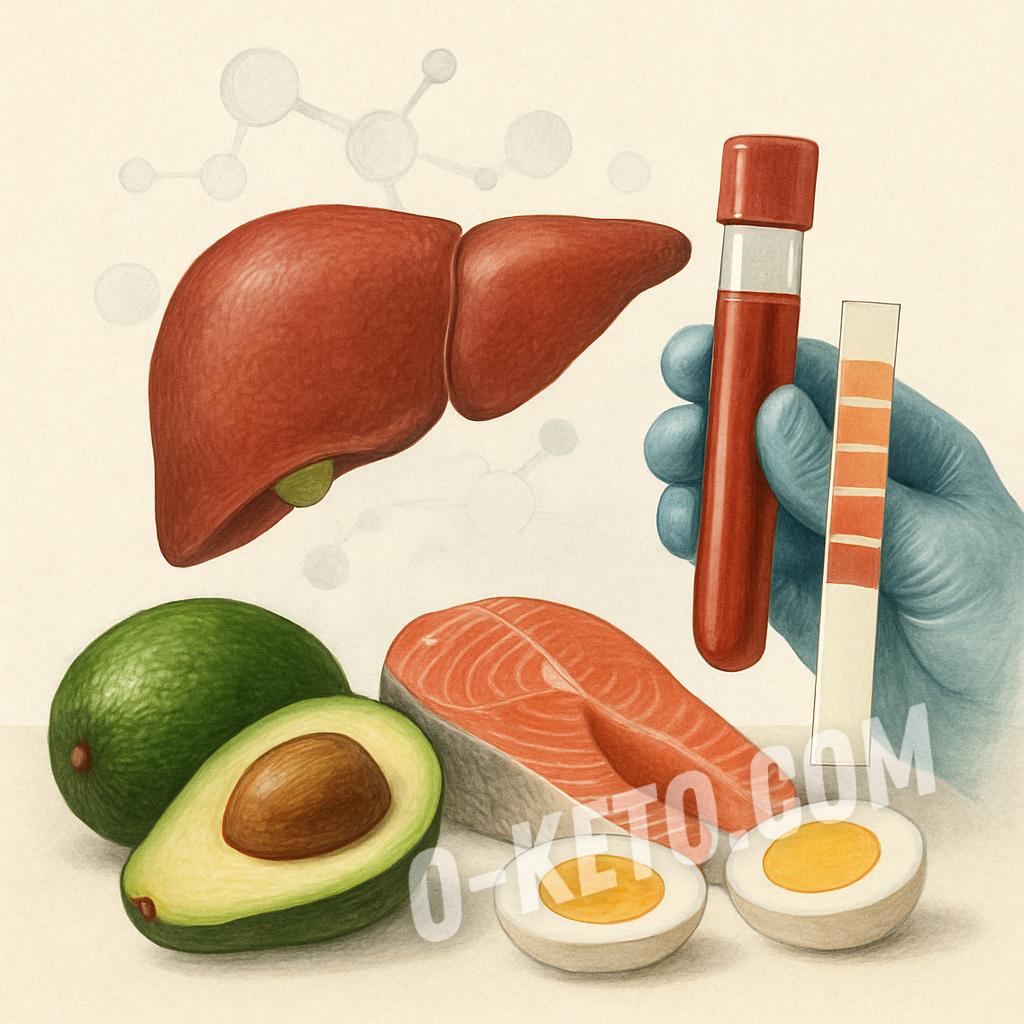
Ketoacidosis is a dangerous condition in which ketone bodies accumulate in the blood together with metabolic acidosis, a shift of acid-base balance toward acidity. Most often this refers to diabetic ketoacidosis, especially in type 1 diabetes, when insulin is insufficient and the body cannot use glucose properly.
Ketoacidosis should not be confused with ordinary nutritional ketosis. During low-carbohydrate eating or fasting, ketones may rise moderately while blood pH remains controlled. In ketoacidosis, ketones rise too high, glucose is often very elevated, dehydration develops, electrolytes are disturbed, and nausea, vomiting, weakness, abdominal pain, deep breathing, acetone odor and coma risk can appear.
Why it happens
Insulin not only lowers glucose; it also restrains excessive fat breakdown and ketone production. When insulin is critically low, the liver rapidly produces ketones while cells still cannot access glucose normally. The body enters a paradoxical state: there is plenty of sugar in the blood, but tissues are energetically starving.
Common triggers include missed insulin, pump failure, infection, heart attack, stroke, trauma, surgery, severe stress, vomiting, dehydration or newly diagnosed diabetes. In type 2 diabetes, ketoacidosis is less common but possible, especially with severe infection, marked insulin deficiency or medications from the SGLT2 inhibitor class.
How it differs from nutritional ketosis
Nutritional ketosis is a regulated state in which ketones are used as fuel and acid-base balance is maintained. The person usually remains alert, can drink, can eat, breathes normally and electrolytes do not collapse critically. Ketone levels may change, but the body keeps blood pH within a narrow range.
In ketoacidosis, regulation fails. Ketones rise together with acidosis, fluid is lost through urine and vomiting, sodium and potassium shift, breathing becomes deep and noisy, and consciousness may be impaired. The phrase “ketones are normal” becomes dangerous when the person has diabetes, vomiting, severe weakness, high glucose or signs of dehydration.
Symptoms and red flags
Warning signs include intense thirst, frequent urination, dry mouth, nausea, vomiting, abdominal pain, marked weakness, drowsiness, confusion, deep breathing, acetone odor, high glucose and high blood or urine ketones. In children, ketoacidosis can develop quickly and may be the first presentation of diabetes.
The combination of vomiting and diabetes is especially dangerous. If a person cannot drink, is losing fluid, has high glucose or ketones, waiting is unsafe. Home advice about water, baking soda, carbohydrates or “pushing through keto flu” does not apply. Ketoacidosis is treated medically with fluids, insulin, electrolytes, cause identification and acid-base monitoring.
Keto diet and safety
People with type 1 diabetes, LADA, a history of pancreatitis, low endogenous insulin secretion or SGLT2 inhibitor use should discuss low-carbohydrate eating with a clinician. In some cases risk increases even without very high glucose; this is called euglycemic ketoacidosis. It is especially deceptive because normal or moderately elevated glucose can make the danger seem smaller.
In diabetes, sick-day rules are essential: when to measure ketones, how to correct insulin, how much to drink, when to seek urgent care and what to do with vomiting. These rules are individual. Low-carbohydrate strategies used by healthy people should not be copied when a person depends on insulin or uses drugs that change glucose excretion through the kidneys.
What clinicians check
When ketoacidosis is suspected, clinicians assess glucose, beta-hydroxybutyrate or ketones, blood pH, bicarbonate, anion gap, sodium, potassium, creatinine, infection markers and dehydration. Potassium is especially important: the blood level may look normal or high, while total body stores are often depleted, and insulin therapy can shift potassium rapidly into cells.
Treatment is not simply about lowering ketones at any cost. It restores insulin, fluid, electrolytes and pH. Ketoacidosis should therefore not be treated at home with supplements or judged only by breath odor. It is a condition where timely medical care truly prevents coma, arrhythmias, brain edema and death.
If you have any questions about the term "Ketoacidosis", you can ask them to AI. Please note, a low-cost OpenAI model is used. It may answer questions about disease treatment with errors!


