


Why is prolonged use of corticosteroids harmful?
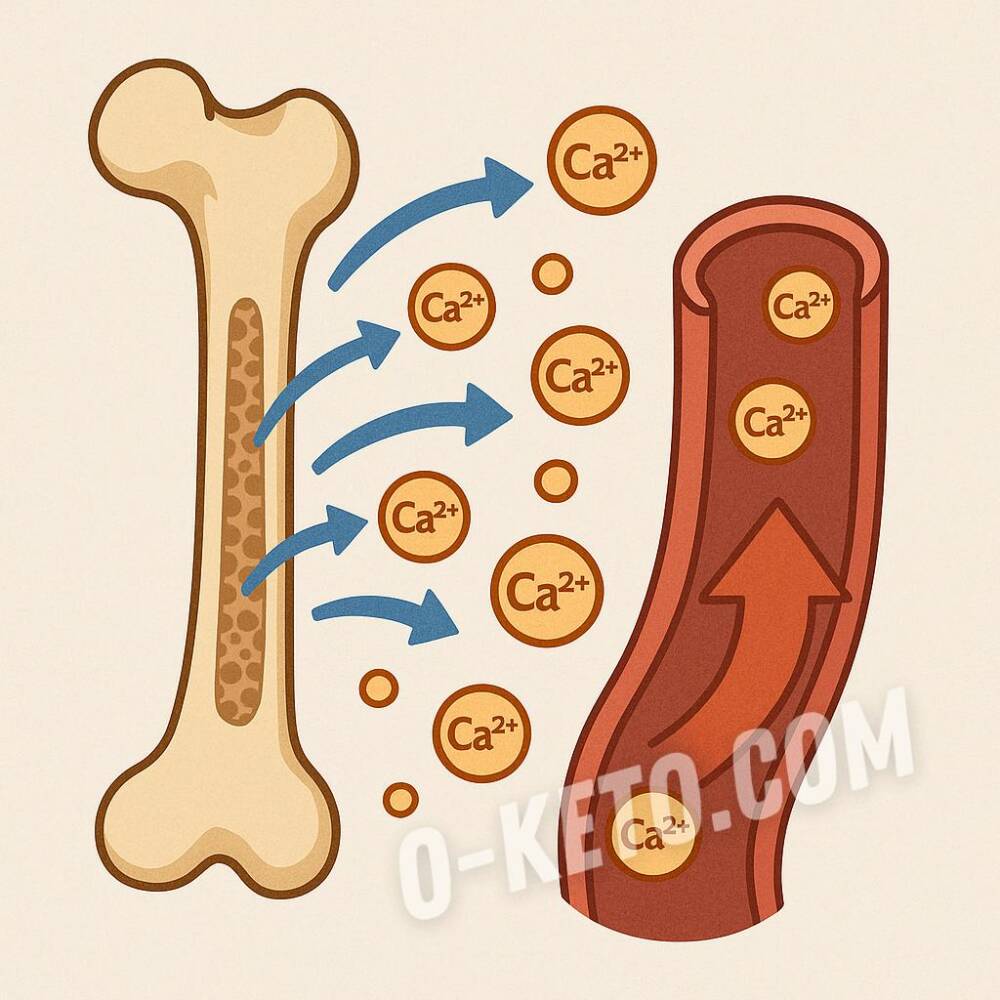

The use of corticosteroids always equals the leaching of calcium from bone tissue. That is, without the intake of calcium, magnesium, vitamins D and K2, it leads to osteoporosis.
The use of corticosteroids is associated with the leaching of calcium from bone tissue and an increase in blood calcium levels, but this does not always occur simultaneously or to the same extent.
How corticosteroids affect calcium metabolism
Suppression of osteoblasts and activation of osteoclasts. Corticosteroids suppress the activity of osteoblasts – the cells that form bone tissue – while simultaneously stimulating osteoclasts, which break down bone. This leads to decalcification of bones: calcium leaves the bones into the blood, reducing bone density.
Decreased calcium absorption in the intestine. Glucocorticoids reduce the expression of calcium transporter proteins in the intestine, including by suppressing the action of vitamin D. This decreases calcium absorption from food, leading to systemic calcium deficiency, despite its possible excessive presence in the blood.
Increased calcium excretion through the kidneys. Under the influence of corticosteroids, calciuria – the loss of calcium in urine – is intensified. This is another way the body loses calcium, worsening the balance.
Consequences of intake
To compensate for the decrease in blood calcium (due to poor absorption and excretion), the body activates parathyroid hormone (PTH). This hormone mobilizes calcium from the bones – and a pathological cycle begins: bones are destroyed → calcium enters the blood → calcium is excreted in urine → calcium levels drop again → PTH stimulates even more bone destruction.
This is called secondary hyperparathyroidism due to prolonged corticosteroid use.
Conclusion
Corticosteroids leach calcium from bones. They also lead to decreased calcium absorption and loss through urine. This may cause a temporary increase in blood calcium levels, but more often leads to a general deficiency of calcium in tissues, including bone. This increases the risk of osteoporosis, fractures, muscle weakness, and in the long term – arrhythmias and kidney stone disease.
Prevention
When corticosteroids are used for a long time, doctors often prescribe:
- Calcium + vitamin D (to compensate for losses),
- Bisphosphonates (bone resorption inhibitors),
- Regular monitoring of bone density (densitometry).


Promo codes for iHerb
Valid for Europe and UK only. Cannot be combined with other offers and max discount of $50 USD. In-app only
Valid until 01.04.2026
Valid for Saudi Arabia only. Limit two uses per customer with a max discount of $45 USD. Cannot be combined with other offers.
Valid until 03.04.2026
List of YouTube videos on the topic "Why is prolonged use of corticosteroids harmful?":