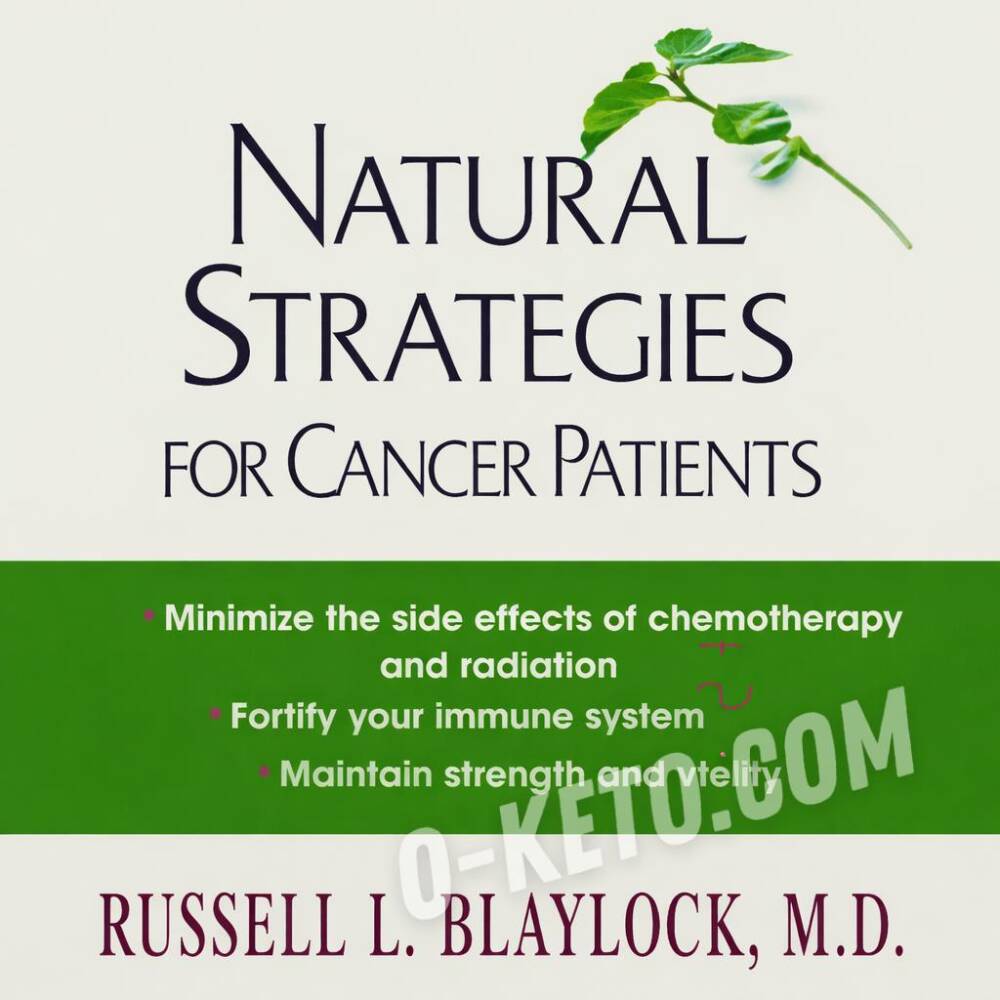
Chapter 1
Cancer is viewed as a systemic failure of intercellular regulation rather than as an isolated local disease. Normally, cells continuously exchange signals through intercellular communication (gap junctions), keeping them under common control. One of the earliest stages of carcinogenesis is the loss of this connection, causing cells to escape regulation and begin to behave autonomously.
Deficiencies in nutrients, chronic inflammation, and oxidative stress disrupt cellular signaling pathways and create conditions for tumor growth. Many vitamins, minerals, and phytochemicals can support or restore normal intercellular communication, especially in preclinical stages.
The key idea of the chapter: cancer begins long before the appearance of a tumor—at the level of metabolic and regulatory failures, where nutrition and nutrient status play a crucial role.
Chapter 2
Nutrition is considered an active therapeutic tool rather than a supportive measure. The author demonstrates that many substances from food—flavonoids, carotenoids, vitamins, minerals, and phytochemicals—can suppress inflammatory cascades, inhibit angiogenesis, interfere with the division of cancer cells, and trigger apoptosis.
It is emphasized that antioxidants and nutrients do not reduce the effectiveness of chemotherapy and radiation therapy. On the contrary, they enhance its selectivity: protecting healthy cells and making tumor cells more vulnerable due to differences in metabolism.
The main conclusion: nutrition and nutrients directly influence the growth, invasion, and metastasis of tumors and can enhance the effectiveness of standard treatment.
Chapter 3
This chapter is dedicated to detoxification systems, primarily the liver and intestines, and their critical role in oncological diseases. The workings of phase I and II detoxification are discussed in detail, showing that their imbalance leads to the accumulation of toxins, exacerbation of carcinogenesis, and increased side effects of therapy.
Particular attention is paid to the intestines: damage to its mucosa during chemotherapy and radiation therapy sharply increases the toxic burden on the body. Supporting the intestinal barrier, microbiota, and intracellular detoxification with nutrients significantly reduces intoxication.
The conclusion of the chapter: without restoring and supporting detoxification pathways, neither effective cancer treatment nor reducing complications is possible; nutrition is the foundation of therapy here.
Chapter 4
This chapter focuses on inflammation as one of the key drivers of cancer growth and progression. Chronic inflammation is viewed not as a secondary phenomenon but as an active factor stimulating the division of tumor cells, angiogenesis, and metastasis. Inflammatory mediators—prostaglandins, leukotrienes, and cytokines—play a central role.
Special attention is given to fat metabolism. An excess of omega-6 fatty acids and arachidonic acid enhances pro-inflammatory cascades, while omega-3 fats have pronounced anti-inflammatory and anti-tumor effects. The author emphasizes that nutrition can either "feed" the tumor through inflammation or suppress its growth.
The main idea: controlling inflammation through nutrition and nutrients is one of the most powerful and underestimated ways to slow tumor growth.
Chapter 5
The focus of this chapter is the process of invasion and metastasis. The author explains in detail how cancer cells destroy the intercellular matrix and vessel walls using enzymes (matrix metalloproteinases), allowing them to penetrate into the blood and lymph.
It is shown that a number of nutrients and phytochemical compounds can suppress these enzymes, strengthen basement membranes, and reduce the likelihood of metastasis. The role of the blood coagulation system and inflammation in the survival of circulating tumor cells is also discussed.
The essence of the chapter: metastasis is a controlled biochemical process, and many of its stages can be influenced through nutrition and nutrient support.
Chapter 6
This chapter is dedicated to angiogenesis—the formation of new blood vessels, without which a tumor cannot grow. The author shows that tumors actively stimulate the growth of vessels, creating a nutrient and oxygen base for themselves.
Nutrients and plant compounds capable of suppressing angiogenesis without the toxic effects characteristic of pharmacological drugs are discussed. Unlike medications, these substances act gently, systemically, and do not damage healthy tissues.
The key conclusion: blocking angiogenesis with nutrients allows for "starving" the tumor, reducing its growth and aggressiveness without additional burden on the body.
Chapter 7
This chapter is dedicated to the immune system and its crucial role in controlling tumor growth. The author emphasizes that even single nutrient deficiencies can profoundly disrupt anti-tumor immunity. Special attention is given to natural killer (NK) cells, lymphocytes, and macrophages, which are the first to recognize and destroy atypical cells.
The discussion includes how cancer and standard treatment methods suppress the immune response, deplete nutrient reserves, and disrupt intercellular coordination of immune cells. It is shown that certain vitamins, minerals, amino acids, and biologically active compounds can selectively enhance anti-tumor components of immunity without provoking autoimmune reactions.
The main conclusion: restoring immune function through nutrition and nutrient support is a fundamental condition for long-term control of the tumor process.
Chapter 8
The concluding chapter integrates all the key mechanisms discussed earlier into a unified strategy. The author shows that nutrition, detoxification, inflammation control, angiogenesis, and immune function do not work in isolation but form an interconnected system.
It is emphasized that the destructive influence of environmental toxins and food additives—fluoride, mercury, monosodium glutamate, aspartame, and other substances that can accelerate tumor growth and reduce treatment effectiveness—is significant. Even with a well-designed nutrient strategy, these factors can nullify results.
The conclusion of the book: successful support for cancer patients is only possible with a systemic approach, where nutrition, nutrients, and the exclusion of toxins become not an addition but the foundation of therapy and recovery.