Terminology: The Evolution of “Orthomolecular”
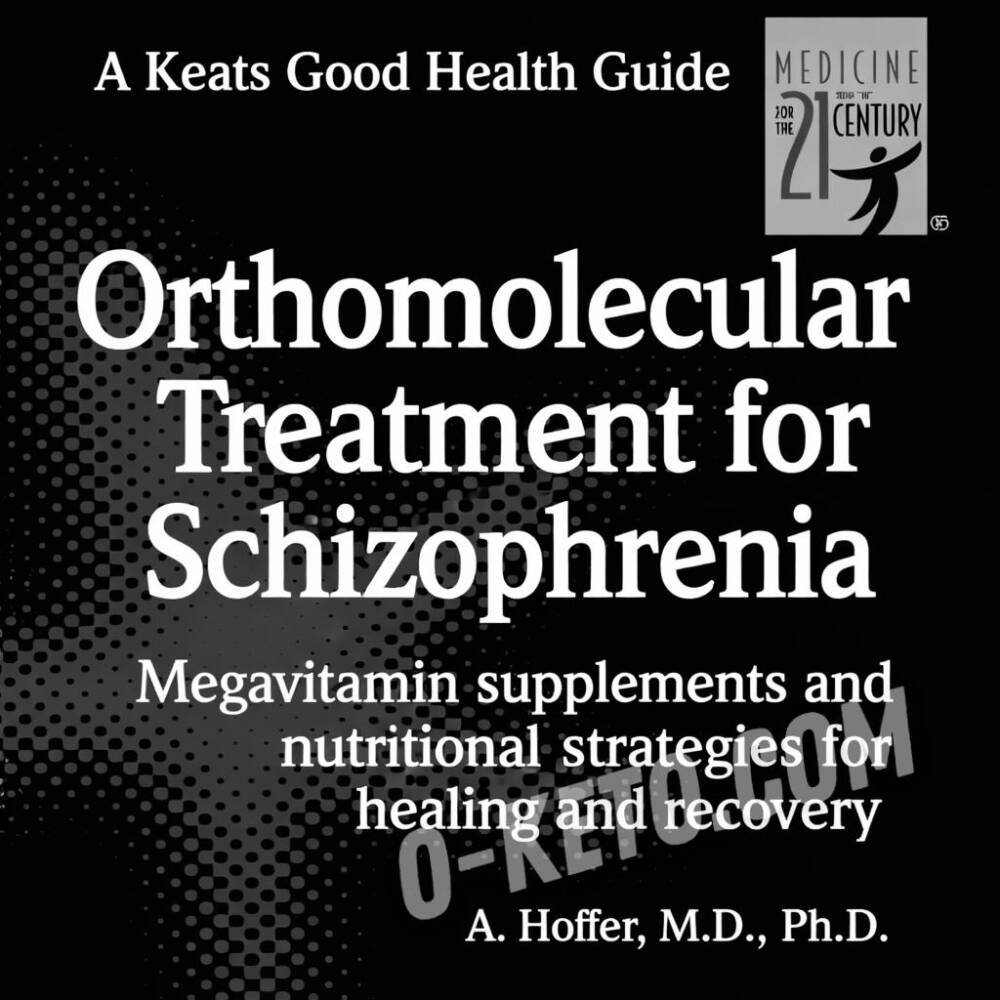
The term «orthomolecular» was introduced to denote an approach in which treatment is based on the use of «correct» molecules for the body—those that are normally present in human biochemistry. The essence of the approach is that diseases with molecular and biochemical nature cannot be effectively treated with foreign substances that suppress symptoms. They can only be corrected by restoring disrupted reactions: replenishing deficiencies, eliminating excesses, and supporting enzymatic systems.
In this context, schizophrenia is viewed as a molecular disease associated with metabolic disorders, oxidative-reduction processes, and vitamin dependency, rather than as an exclusively «mental» disorder.
History of the Paradigm Conflict: “Vitamins-as-Prevention” versus “Vitamins-as-Treatment”
The conflict between two medical paradigms is described. The old model viewed vitamins only as means of preventing classic deficiency diseases and strictly limited their doses within the RDA framework. The new paradigm asserts that vitamins can be therapeutic agents and that in a number of diseases, doses significantly exceeding preventive levels are required.
Hoffer emphasizes that schizophrenia belongs to states of vitamin dependency, where standard norms do not work. The resistance of orthodox medicine is explained not by scientific but by institutional and economic reasons, while clinical results of megavitamin therapy demonstrate its fundamental validity.
What Is Schizophrenia?
Schizophrenia is defined as a disorder of perception and thinking, in which a person loses the ability to distinguish internal sensory and cognitive distortions from reality. Hallucinations, illusions, and delusional interpretations form behavior that appears externally inexplicable.
The author emphasizes that the key problem is not in «character» or psychological trauma, but in biochemical disruptions of the brain. Historical errors in defining the disease have led to diagnostic confusion and inadequate treatment, which has particularly worsened the prognosis in early forms of the disease.
My Approach to Diagnosis and Treatment
Diagnosis is based on identifying perceptual disturbances and the patient's reaction to them, rather than on formal psychiatric labels. Schizophrenia is viewed as a biochemical syndrome, not as an incurable mental condition.
Treatment aims to eliminate the causes: correcting nutrition, identifying allergic and toxic factors, replenishing vitamin and mineral deficiencies, and reducing oxidative stress. Medications are allowed as temporary support but not as the basis of therapy.
The Nutritional History
A detailed nutritional history is a key part of patient assessment. Special attention is given to eating habits, cravings for certain foods, allergy symptoms from childhood, and reactions to food and supplements.
The author shows that a significant portion of patients have a schizophrenic syndrome supported by food or «cerebral» allergies. Excluding problematic foods and cleansing the diet can lead to a dramatic improvement in condition even without changing medication therapy.
Vitamins
Vitamins are viewed as active regulators of brain biochemistry, not as auxiliary supplements. Central roles are played by vitamin B₃ (niacin/niacinamide) and vitamin C as means of reducing pathological oxidation and the formation of toxic metabolites.
The importance of B₆, folic acid, B₁₂, fatty acids, and trace elements is also emphasized. The effect of therapy depends on individual dosages and duration of use, and the goal of treatment is not symptom suppression but the restoration of normal metabolic state of the nervous system.
Minerals
Minerals are considered critically important cofactors of neurometabolism and antioxidant protection. Special attention is given to the balance of zinc and copper: many patients show an excess of copper and a relative deficiency of zinc, which exacerbates psychotic symptoms, disrupts neurotransmitter systems, and increases oxidative stress.
Selenium is described as a key element of the antioxidant system (through glutathione peroxidase), and its deficiency is associated with a higher prevalence of schizophrenia. Manganese is highlighted as an important factor in the prevention and treatment of tardive dyskinesia, especially in patients who have previously or long-term taken antipsychotics. The author emphasizes that adequate mineral supply reduces drug complications and improves long-term prognosis.
Medication
Psychiatric medications are recognized as effective for quickly suppressing acute psychotic symptoms but are not considered as means of cure. The main problem of medication therapy is the formation of «drug psychosis» and severe side effects with prolonged use.
The orthomolecular approach allows the use of antipsychotics, antidepressants, and other medications as temporary support. As biochemical balance is restored against the backdrop of nutrient therapy, medication doses are gradually reduced, and in some cases, completely discontinued. This helps avoid a vicious cycle of dependence on medications and associated complications.
Putting It All Together
The comprehensive orthomolecular protocol combines nutrition, vitamins, minerals, and, if necessary, medications into a unified system. Treatment is always individualized and is based on the duration of the disease, severity of symptoms, and the patient's response to therapy.
The key principle is patience and duration: nutrients act slowly but eliminate the causes of the disease, while medications act quickly but superficially. Their proper combination allows first to stabilize the condition and then gradually transition to sustainable recovery without medication burden.
Results of Orthomolecular Treatment
The most pronounced results are observed in patients with acute and early forms of schizophrenia: with adherence to the protocol over several years, the author reports a very high percentage of recoveries, with complete restoration of social and professional function.
In chronic forms, improvement occurs more slowly, sometimes over many years, but even in these cases, significant symptom reduction, withdrawal from high doses of medications, and return to independent living are possible. The main conclusion is that schizophrenia is not a hopeless condition, and with the correction of biochemical disruptions, the brain is capable of gradual and sustainable recovery.