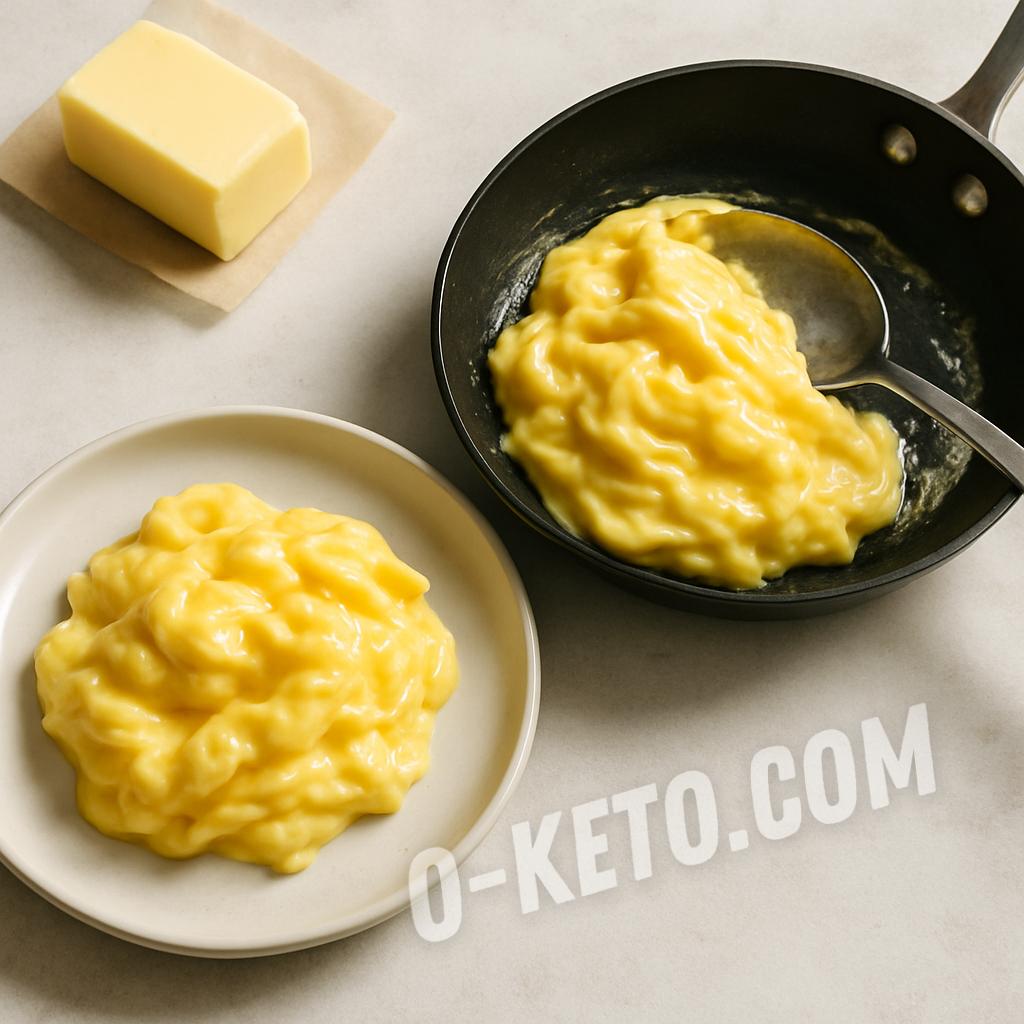

Scrambled eggs look like one of the simplest hot breakfasts, but they are also one of the clearest tests of whether a cook actually understands heat, fat, and residual cooking. One person gets glossy tender folds that stay soft on the plate. Another gets dry broken egg curds that need sauce or extra butter to feel pleasant. In most cases the reason is simple: the eggs stay on the heat too long, or the pan is too hot from the beginning.
Good scrambled eggs do not have to be runny, but they should stay moist. Their texture depends on gentle coagulation of egg proteins, not on aggressive frying. That is why control matters more than speed. When the heat is moderate, the pan is warm rather than scorching, and the cook does not wait for total dryness, the eggs have time to form creamy folds and then finish from residual heat after leaving the stove.
What keeps scrambled eggs soft
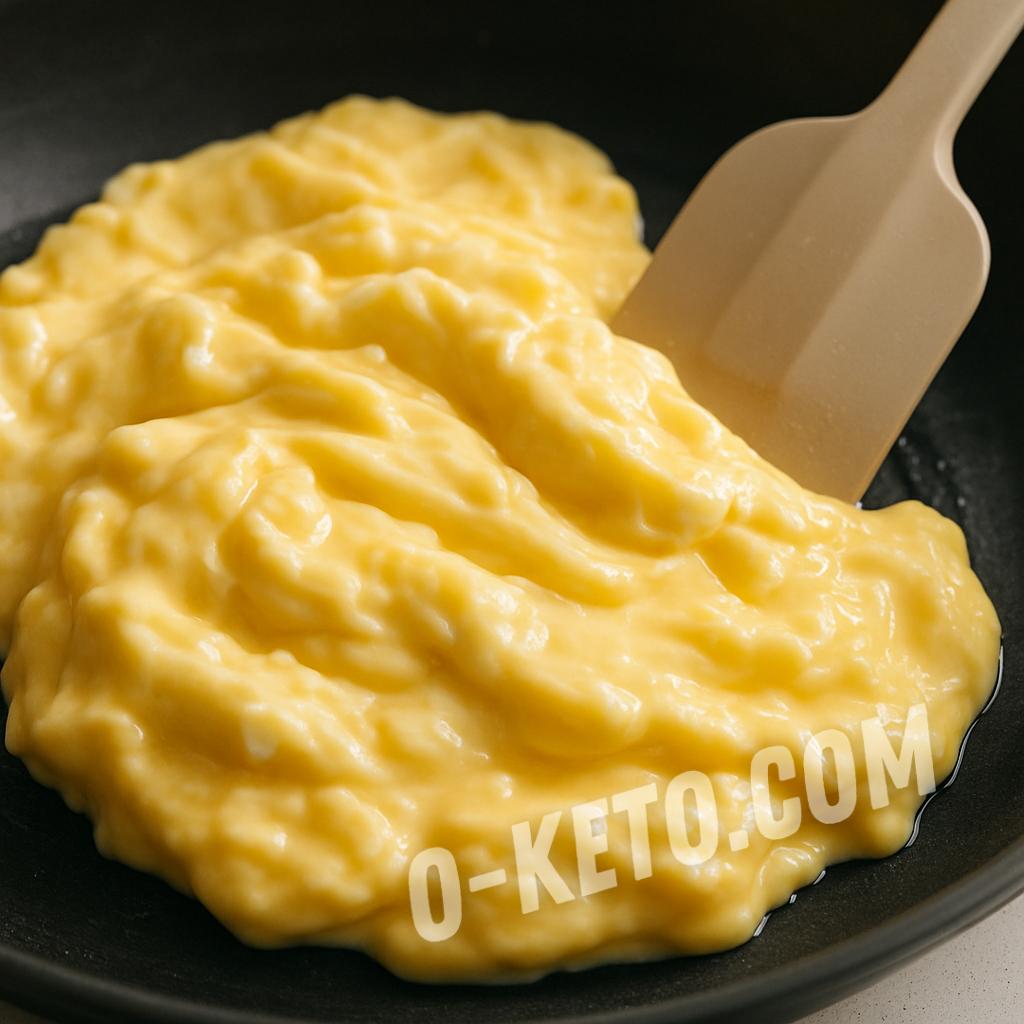
The main rule for soft scrambled eggs is simple: do not overheat the mixture. Eggs change structure very quickly, and the difference between silky and dry can be less than a minute. If you wait until the eggs look completely dry in the pan, you are usually already late, because they continue to cook after the heat is off.
It is much more reliable to watch the texture than to rely on the phrase “cook until done.” As soon as the mixture turns into moist tender folds and no longer flows like raw egg, the pan can come off the heat. This is especially important for a breakfast that will be eaten right away. On the plate the eggs will firm up a little more, and that carryover heat is exactly what creates a pleasant creamy texture instead of rubbery curds.
Best heat level and pan choice
Scrambled eggs almost never need high heat. A very hot pan sets the bottom layer too fast, produces rough pieces, and makes texture control much harder. Low to medium heat is more forgiving because you can see the mixture gradually thicken and adjust with the spatula before it goes too far.
The pan should be preheated, but not smoking. If the butter foams aggressively, darkens, or smells nutty before the eggs even go in, the start is already too hot. A gently warm, steady surface works better. Silicone or wooden spatulas are especially helpful because they let you pull the eggs into large soft folds rather than breaking them into tiny dry fragments.
Do milk, cream, butter, or extra whites help
At the most basic level, scrambled eggs can be made from only eggs and fat. That alone is enough for a clean egg flavor. A small amount of milk, cream, or butter mixed into the eggs can make the final texture feel softer and richer, but none of these additions can rescue eggs that are overcooked. They are fine-tuning tools, not protection against poor heat control.
A useful variation for people who want a higher-protein breakfast is to replace part of the whole eggs with extra egg whites. This can make sense for athletes, people increasing protein intake, or anyone trying to moderate fat without losing volume. Even in that version, technique still matters more than the formula. A smart ratio cannot compensate for a pan that is too hot or a cook who leaves the eggs on too long.
Butter and ghee are especially good fats for scrambled eggs because they round out the flavor and help the mixture move smoothly across the pan. Other fats can work too, but too little fat often makes the curds harsher and less supple. The goal is not greasiness. The goal is a surface where the eggs can set gently and still stay tender.
How to move the eggs while they cook
The point of scrambled eggs is not to mash them nonstop. It is to guide them. After the mixture hits the pan, give it a few seconds so the lower layer can begin setting, then pull the eggs gently from the edge toward the center. That movement creates the broad soft folds associated with a good scramble.
If you stir too aggressively and too often, the texture becomes fine, crumbly, and dry. If you never move the eggs, the result is closer to an omelet than a scramble. The sweet spot lies between those extremes. Move the eggs calmly, watch their thickness, and stop while they still look slightly underfinished. That stopping point often matters more than any fancy ingredient.
What you can add without ruining the dish
Scrambled eggs handle flavor additions well when those additions do not overwhelm the texture. A little chopped ginger, garlic, or onion can be warmed first to build a more aromatic base. Fresh herbs such as parsley, dill, cilantro, basil, or green onion are usually better later so they keep a cleaner top note.
If you want a larger, more filling, lower-carb breakfast, cauliflower rice is a practical addition. It is fairly neutral, adds fiber, and increases volume without depending on real grains. The important part is not to cook it into mush. It should be heated through and seasoned quickly so it stays lively before meeting the eggs.
Tomatoes, avocado, light salads, sesame oil, or a little lemon can also work well on the side. The safest approach is to choose one or two accents instead of loading the plate with too many competing ideas. Eggs usually taste best when the flavor direction stays clear.
Common mistakes that dry the eggs out
The first mistake is heat that is too high. The second is waiting for total dryness in the pan. The third is trying to fix weak technique with extra milk, butter, or cream. Another frequent mistake is stewing vegetables too long in the same pan before adding the eggs, which dulls the vegetables and then pushes the eggs toward overcooking.
Portion size matters too. A large amount of egg in a pan that is too small cooks unevenly and often leaves you with both dry and underdone patches. A better option is to use a pan large enough for the amount you are making, so the layer stays manageable and easy to guide with a spatula.
Conclusion
Soft scrambled eggs depend on three things above all: moderate heat, gentle movement, and taking the pan off the stove early. Milk, butter, extra whites, herbs, ginger, or cauliflower rice can all change the taste and nutritional balance, but they do not replace technique. Once you learn to stop cooking when the eggs are already gathered into moist folds but not yet dry, scrambled eggs become much more reliable, juicy, and satisfying.