


Expert: How to Maintain Weight and Control Appetite in Winter
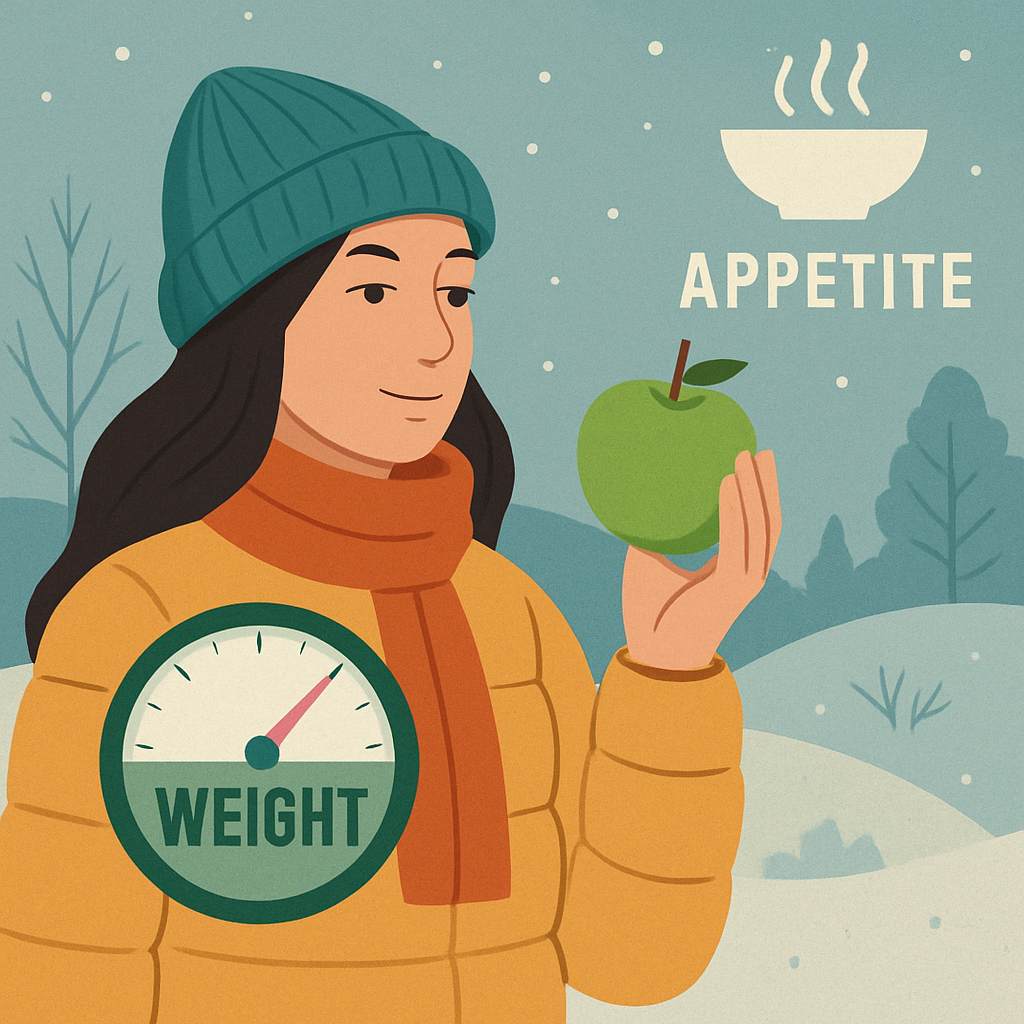

Nutritionist Irina Popkova explains that winter weight gain is often related not to overeating, but to shorter daylight hours and the body's reaction to cold; she advises managing light and warmth, improving sleep, increasing spontaneous activity, and for plant-based diets, monitoring diet enrichment or supplements.


Nutritionist Irina Popkova notes that winter weight gain is often related not to overeating, but to changes in circadian rhythms and the body's reaction to cold: shorter daylight hours and lower temperatures put the body into a 'conservation' mode, which can increase appetite and slow down metabolism. The main recommendations from the expert are to adapt the environment and habits rather than impose strict restrictions.
Popkova advises controlling the level of illumination: bright morning light (up to using a 10,000 lux lamp) helps restore circadian rhythms and reduce hormonal shifts related to appetite and energy. In the evening, soft warm light and the use of blue light reduction modes on devices are recommended to maintain normal melatonin production.
For a sense of comfort and to reduce false 'hunger', the expert suggests not warming up through calories, but using external heat sources — warm clothing, heating pads, and hot drinks with spices (ginger, cinnamon), which help create warmth and may slightly boost metabolism.
Key behavioral points mentioned by Popkova include:
- Maintaining quality sleep — consistently 7–8 hours and a comfortable routine, as poor sleep disrupts appetite hormones (leptin, ghrelin) and increases the risk of overeating.
- Increasing spontaneous activity — more micro-movements throughout the day instead of focusing on strict calorie counting.
- Controlling light — more daylight/morning light and reducing screen brightness and cold light in the evening.
- Creating external warmth — warmth from clothing and items so that the body does not 'ask' for additional calories for heating.
Popkova also notes hormonal mechanisms: a lack of light and changes in rhythms can affect cortisol, leptin, and ghrelin, which alters the sensation of hunger and energy distribution in the body.
Particular attention should be paid to people on plant-based diets: in winter, the risk of deficiencies increases, so it is important to choose fortified products or discuss with a doctor the need for supplements to maintain health and metabolic stability.
The expert emphasizes that the goal is not to control willpower, but to create a favorable 'ecology' for the body: by managing light, warmth, sleep, and activity, one can maintain weight and comfort without excessive stress and strict diets.
List of YouTube videos on the topic "Expert: How to Maintain Weight and Control Appetite in Winter":