


Ghrelin
The hunger hormone is produced mainly in the stomach and helps the brain track meal timing, energy availability, gut motility and food motivation. Its level is shaped by sleep, stress, habitual meal patterns, calorie deficit, protein intake and diet quality.
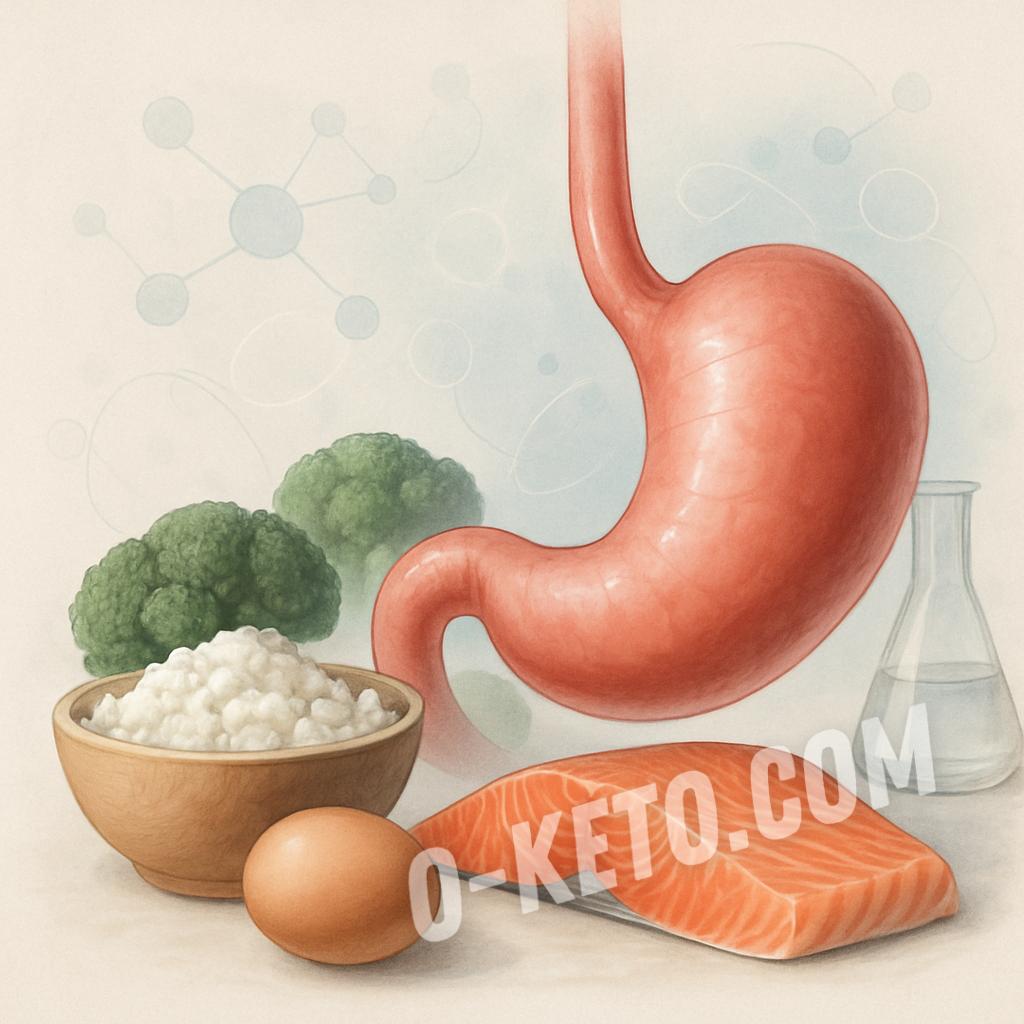
Ghrelin is often called the hunger hormone, but it is not just a signal that says “eat now.” It is produced mainly in the stomach and informs the brain about meal timing, energy availability, gastrointestinal motility, expectation of food and reward-related motivation. Ghrelin usually rises before a habitual mealtime and falls after eating. Appetite therefore depends not only on an empty stomach, but also on habits, sleep, stress, diet composition and the way the brain has learned to expect food.
Ghrelin interacts with the hypothalamus, dopamine pathways, growth hormone, leptin, insulin and other energy signals. It can increase food motivation, make calorie-dense foods more attractive and participate in adaptation to energy deficit. This is a normal survival mechanism. Problems begin when chronic sleep loss, strict dieting, constant snacking, stress and ultra-processed foods make hunger signals frequent, intense and difficult to regulate.
Why hunger follows a schedule
Ghrelin is linked to the usual rhythm of eating. When a person eats at the same times every day, the body prepares for food in advance: appetite rises, stomach motility changes and digestive signals become active. When the schedule changes, hunger waves may still appear at the old mealtimes for several days. This is not always a true energy need. Sometimes it is a trained hormonal rhythm.
This is why moving to two meals a day or a limited eating window can feel difficult at first but easier later. The signals adapt. However, if meals contain too little protein, too little salt, too little energy or food that digests too quickly, ghrelin and subjective hunger may return strongly. A schedule works better when it is built on satiety rather than willpower alone.
Sleep, stress and appetite
Sleep deprivation can increase hunger and cravings for calorie-dense food. With poor sleep, ghrelin, leptin, insulin sensitivity, cortisol and dopamine regulation can all shift. The person is not simply weak-willed the next day. The brain is genuinely more interested in quick energy and reward. Trying to lose weight without improving sleep often means fighting biology rather than working with it.
Stress can act in a similar but individual way. Some people lose appetite, while others crave sweet, fatty or salty foods. Ghrelin is involved not only in eating but also in stress response, mood and motivation. Constant psychological pressure can disturb eating behavior even when the diet plan is reasonable. In such cases, food choices matter, but so do recovery, routine and environment.
Connection with keto and LCHF
Low-carbohydrate eating often reduces spontaneous hunger through steadier glucose, adequate protein, dietary fat and fewer rapid food stimuli. This does not happen instantly for everyone. If a person cuts carbohydrates while also eating too little protein, avoiding salt, sleeping poorly and keeping calories too low, ghrelin-driven hunger can become strong. The problem may be a poorly built diet, not the low-carbohydrate approach itself.
Protein is especially important for appetite control. Complete protein foods provide amino acids, stimulate satiety and help preserve muscle mass. Fat also contributes to satiety, but without enough protein it can become a calorie source that does not support recovery. A practical low-carbohydrate meal usually contains a clear protein source, salt, tolerated vegetables or fiber and fat as part of the dish rather than the only foundation.
When hunger needs attention
Strong persistent hunger can be related to under-eating, an excessive calorie deficit, hypoglycemia, sleep disorders, hyperthyroidism, pregnancy, lactation, some medications, intense sport, stress or eating disorders. If hunger comes with shaking, sweating, weakness, binge episodes, rapid weight loss, menstrual changes or waking at night to eat, the cause should be investigated instead of simply suppressing appetite.
Ghrelin cannot and should not be switched off forever. It protects the body from starvation. The goal is not to crush hunger at any cost, but to restore predictable satiety. Regular sleep, adequate protein, sufficient energy, a clear meal rhythm, fewer ultra-processed triggers and better stress management often help more than trying to tolerate hunger indefinitely.
If you have any questions about the term "Ghrelin", you can ask them to AI. Please note, a low-cost OpenAI model is used. It may answer questions about disease treatment with errors!


