


Leptin
This fat-tissue hormone informs the brain about energy stores and helps regulate appetite, energy expenditure, reproductive function, thyroid signaling and immune responses. In obesity leptin is usually high, but the signal may be poorly perceived; improving leptin sensitivity through sleep, visceral fat loss, sustainable diet and recovery matters more than trying to “add leptin.”
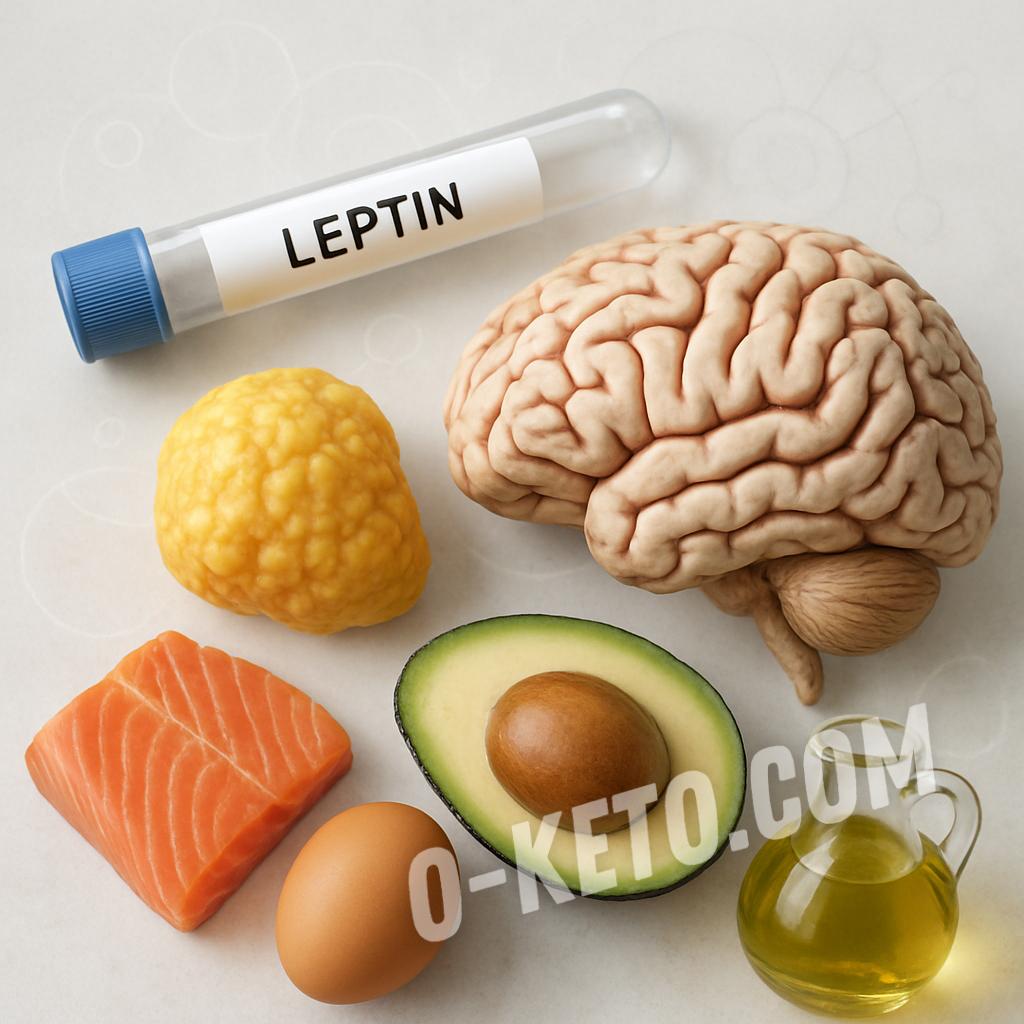
Leptin is a hormone produced mainly by fat tissue that informs the brain about energy stores. The more fat mass a person has, the higher leptin usually is. Its signal reaches the hypothalamus and helps regulate appetite, energy expenditure, reproductive function, thyroid signaling, immune responses and adaptation to food shortage.
Leptin is often called a satiety hormone, but that is an oversimplification. It does not work like a button that instantly turns hunger off after a meal. It is more of a long-term signal about whether the body has enough stored energy. When leptin falls sharply during weight loss or fasting, the brain may increase hunger, reduce spontaneous activity and conserve energy.
How leptin signaling works
Fat cells release leptin into the blood, and the brain reads this signal together with glucose, insulin, thyroid hormones, ghrelin, stress, sleep and inflammation. When energy stores are sufficient, the body receives a signal that it can spend energy, support reproduction and avoid an exaggerated search for food.
During prolonged calorie deficit, leptin falls. This is one reason why hunger can become stronger and energy expenditure lower after rapid weight loss. This response is not a weakness of character. It is a normal protective program that once helped humans survive food scarcity, but in the modern food environment it can make weight maintenance difficult.
Leptin resistance
In obesity, leptin is often high because fat mass is high. The brain, however, may respond poorly to the signal. This is called leptin resistance. A person does not receive a full sense of energy sufficiency despite large fat stores. Appetite, food cravings and lower activity may therefore persist.
Leptin resistance is linked with visceral fat, chronic inflammation, hyperinsulinemia, poor sleep, sleep apnea, ultra-processed food, frequent overeating and low physical activity. This does not mean one leptin test explains everything. The broader metabolic picture matters more: waist size, glucose, insulin, triglycerides, liver status, sleep and eating behavior.
Keto, LCHF and appetite
Low-carbohydrate eating may help by reducing sharp glucose swings, improving insulin resistance, increasing satiety from protein and fat, and reducing sweet cravings in some people. This can indirectly improve sensitivity to satiety signals, including leptin pathways. Keto, however, does not cancel the biological adaptation to a severe energy deficit.
If a person cuts calories too aggressively, under-eats protein, sleeps poorly and trains while exhausted, leptin may fall and hunger may increase even on a low-carbohydrate diet. Sustainable fat loss usually requires not heroic starvation, but a pattern that can be maintained: adequate protein, minerals, sleep, resistance training and a moderate deficit.
Testing and practical meaning
Leptin can be measured in blood, but it is not a necessary test for every person with excess weight. The level depends strongly on fat mass, sex, inflammation, sleep and energy status. High leptin often confirms what is already visible in the metabolic picture: fat tissue is abundant, while satiety signaling is not working well.
Low leptin may occur with very low body fat, prolonged fasting, eating disorders, hypothalamic amenorrhea and rare genetic conditions. In such situations, problems may include menstrual disruption, feeling cold, weakness, obsessive hunger, low libido and poor recovery. This is not simply a willpower issue; it can be a sign that energy availability is too low.
What actually helps
Trying to raise or lower leptin with one supplement usually does not solve the problem. Practically, the more important goal is improving sensitivity to the signal: reducing visceral fat, treating sleep apnea, sleeping regularly, reducing ultra-processed foods, moving, maintaining muscle mass and avoiding endless cycles of severe dieting and rebound eating.
Leptin shows how closely appetite is connected with fat tissue, the brain and energy safety. For low-carbohydrate nutrition, the lesson is important: a good diet should not only reduce carbohydrates, but also help a person feel satisfied, sleep, recover and maintain results. If a diet constantly makes someone hungry and depleted, hormonal adaptations will eventually work against it.
If you have any questions about the term "Leptin", you can ask them to AI. Please note, a low-cost OpenAI model is used. It may answer questions about disease treatment with errors!


 1 / 4
1 / 4
 1 / 4
1 / 4


 1 / 4
1 / 4