


TOP-5 Studies on Biohacking and Longevity from 25.09.2026 to 02.10.2026
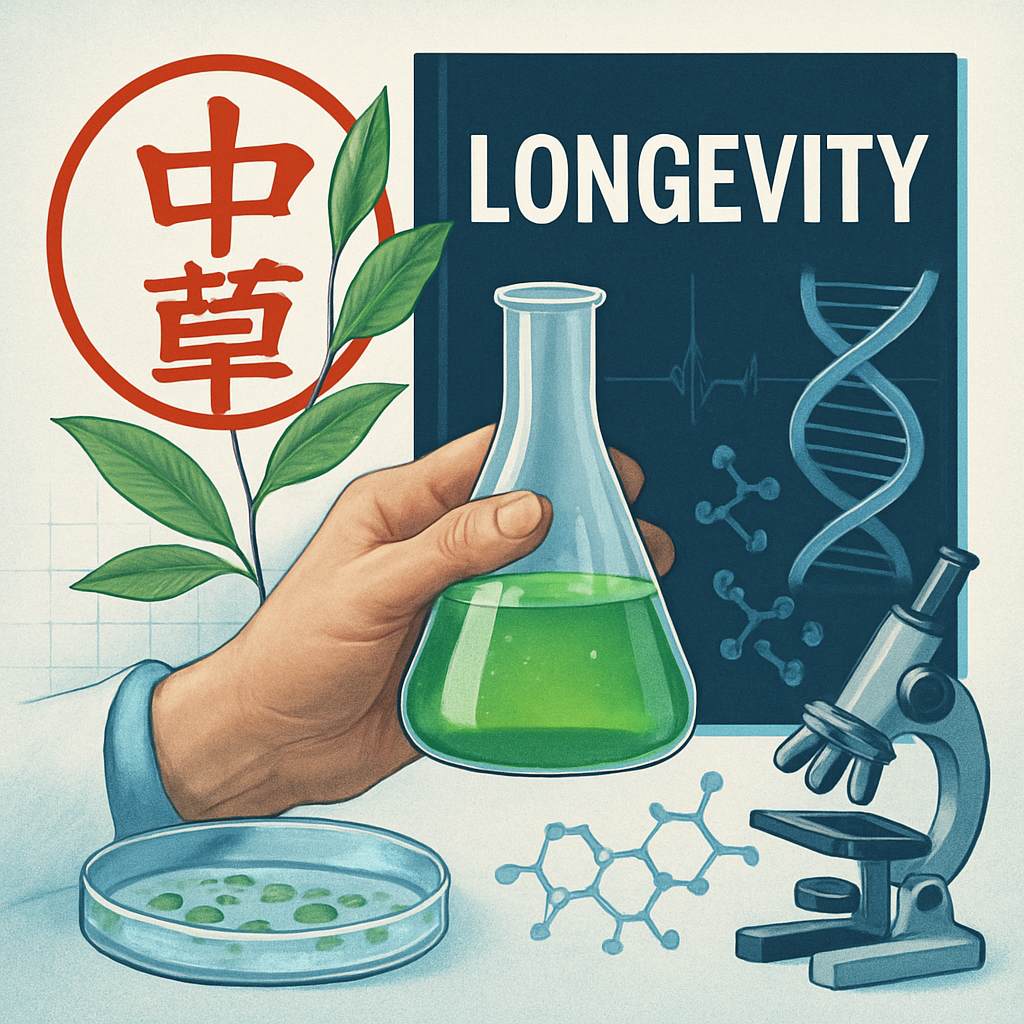

Traditional Chinese medicine formulas in aging delay: from theoretical foundations to molecular mechanisms and translational prospects; Molecular and cellular bases of primary hypertension: an integrative mechanistic framework; Sleep disorders in HIV patients; BMAL1 in cardiovascular diseases: molecular mechanisms, circadian regulation, and translational prospects (Review); IL-33 as a signaling molecule of tissue state: the Reader-Alarmin-Effector architecture linking the CNS and skin.


5. Traditional Chinese Medicine Formulas in Aging Delay: From Theoretical Foundations to Molecular Mechanisms and Translational Prospects.
About the work.
The review aims to integrate traditional Chinese medicine (TCM) with modern aging research, examining the mechanisms of action of TCM formulas and their potential application in slowing aging processes.
Results.
The available abstract does not describe the results in sufficient detail.
4. Molecular and Cellular Bases of Primary Hypertension: An Integrative Mechanistic Framework.
About the work.
The article discusses primary hypertension as a systemic disease, focusing on three main pathophysiological mechanisms: dysregulation of the renin-angiotensin-aldosterone system, dysfunction of the central nervous system, and activation of inflammatory and oxidative stress pathways.
Results.
The available abstract does not describe the results in sufficient detail.
3. Sleep Disorders in HIV Patients.
About the work.
The review examines sleep disorders in HIV patients, their causes, and management recommendations. It focuses on the prevalence and spectrum of sleep disorders such as insomnia and obstructive sleep apnea.
Results.
Insomnia and obstructive sleep apnea remain the most common sleep disorders in HIV patients. Emerging data indicate a high prevalence of circadian rhythm disturbances and parasomnias, such as rapid eye movement sleep behavior disorder. Treatment recommendations include cognitive-behavioral therapy for insomnia combined with medications, as well as the use of CPAP and APAP for obstructive sleep apnea.
2. BMAL1 in Cardiovascular Diseases: Molecular Mechanisms, Circadian Regulation, and Translational Prospects (Review).
About the work.
The review is dedicated to the role of BMAL1 as a key transcription factor of circadian rhythms in cardiovascular diseases, including arrhythmias and heart failure. It discusses differences in its effects on cardiomyocytes and other cell types depending on metabolic conditions and disease stage.
Results.
The available abstract does not describe the results in sufficient detail.