


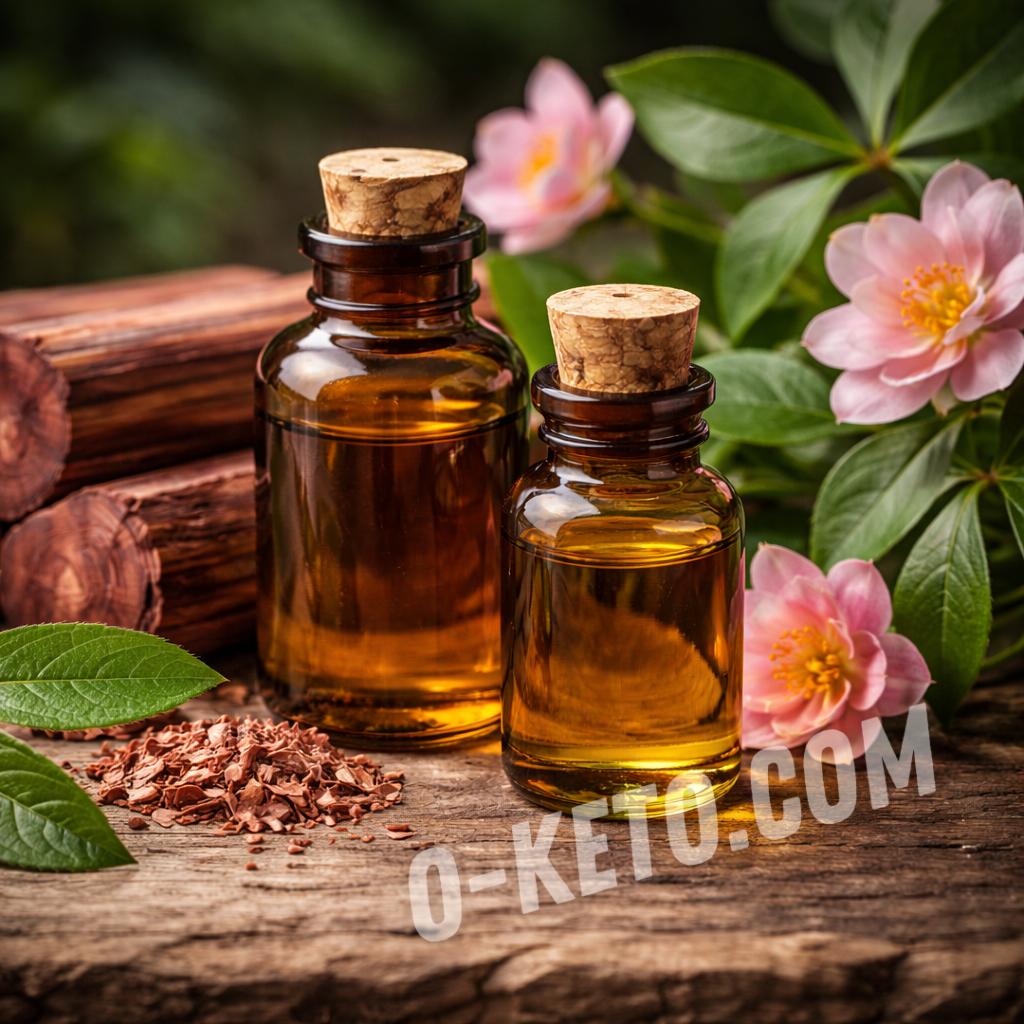

The essential oil of rosewood, obtained from the wood of the tropical tree Aniba rosaeodora, is among the noble and subtly acting essential oils with a pronounced balancing effect on the nervous system and skin. Its aroma is soft, warm, woody-floral, with a barely noticeable sweetness, making this oil especially valuable in aromatherapy, perfumery, and caring for sensitive skin. Unlike sharp stimulating oils, rosewood acts harmoniously and is suitable for prolonged and regular use when dosage is observed.
Historically, rosewood essential oil was used by indigenous peoples of South America as a means of restoring strength, caring for the skin, and scenting ritual spaces. In the 20th century, it became one of the key ingredients in high perfumery and then firmly entered the practice of aromatherapy and natural cosmetology.
Origin and Features of Extraction
The Aniba rosaeodora tree grows in the tropical forests of the Amazon, mainly in Brazil, Peru, and Colombia. The essential oil is obtained by steam distillation of chopped wood. The resulting oil is usually clear or light yellow, with a soft and persistent aroma.
Historically, the extraction of oil was accompanied by large-scale deforestation, leading to a sharp decline in natural populations. Currently, sustainable production methods are gaining more importance, including the use of fallen wood, branches, and cultivated plantations. This makes rosewood essential oil not only a valuable aromatherapeutic product but also an object of ecological responsibility.
Chemical Composition and Physiological Action
Rosewood essential oil is characterized by a high content of linalool, which can make up to 80–90 percent of its total composition. It is linalool that determines most of its therapeutic properties. Smaller amounts of alpha-terpineol, geraniol, and other terpene compounds are also present.
The main properties of rosewood essential oil are:
- antiseptic and antimicrobial action;
- gentle anti-inflammatory effect;
- soothing influence on the nervous system;
- support for skin regeneration;
- antioxidant action.
The oil acts delicately, does not irritate the skin when properly diluted, and is well tolerated even in sensitive conditions, which favorably distinguishes it from many other essential oils.
Impact on Psycho-Emotional State
In aromatherapy, rosewood essential oil is valued for its ability to restore emotional balance and reduce chronic stress levels. Its aroma promotes relaxation without a pronounced sedative effect and helps with mental and emotional fatigue.
The oil is used:
- for anxiety and internal tension;
- for emotional exhaustion and burnout;
- to improve sleep quality;
- in meditative and body practices.
Rosewood blends well with lavender, frankincense, bergamot, ylang-ylang, and sandalwood, enhancing their harmonizing effect.
Application in Cosmetology and Skin Care
In cosmetology, rosewood essential oil is considered one of the best oils for caring for all skin types, especially sensitive, mature, and irritation-prone skin. It helps improve microcirculation, supports the skin’s barrier functions, and accelerates renewal processes.
The most common areas of application are:
- care for dry and dehydrated skin;
- support for skin showing signs of aging;
- reduction of redness and irritation;
- restoration of skin after aggressive procedures.
The oil is often added to creams, serums, masks, and facial oils, as well as to hair and scalp care products.
Precautions and Usage Recommendations
Rosewood essential oil is considered relatively safe when standard aromatherapy rules are followed, but it should still be used consciously.
Main recommendations:
- use the oil only in diluted form;
- conduct a skin test before first use;
- avoid exceeding recommended dosages;
- do not use internally without the supervision of a specialist.
When used correctly, rosewood essential oil is a versatile and gentle remedy that harmoniously combines aromatherapeutic and cosmetic effects. It helps restore inner balance, improve skin condition, and create a sense of calm and wholeness, remaining one of the most refined oils in the world of natural aromatherapy.


