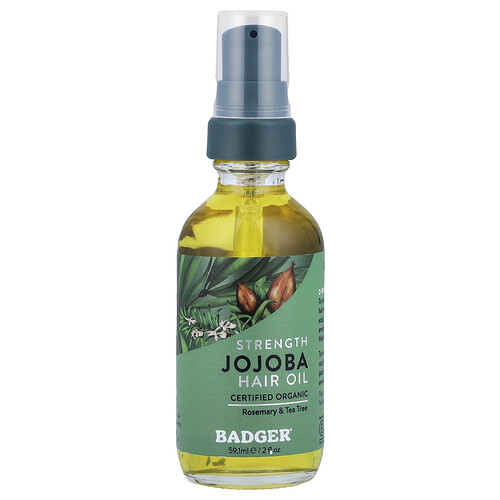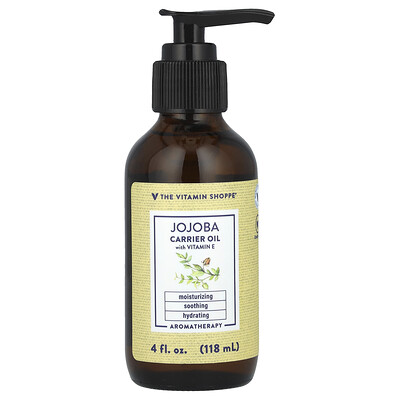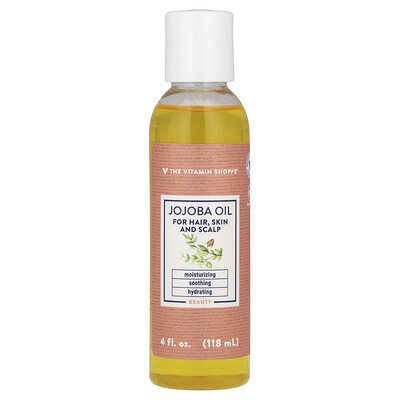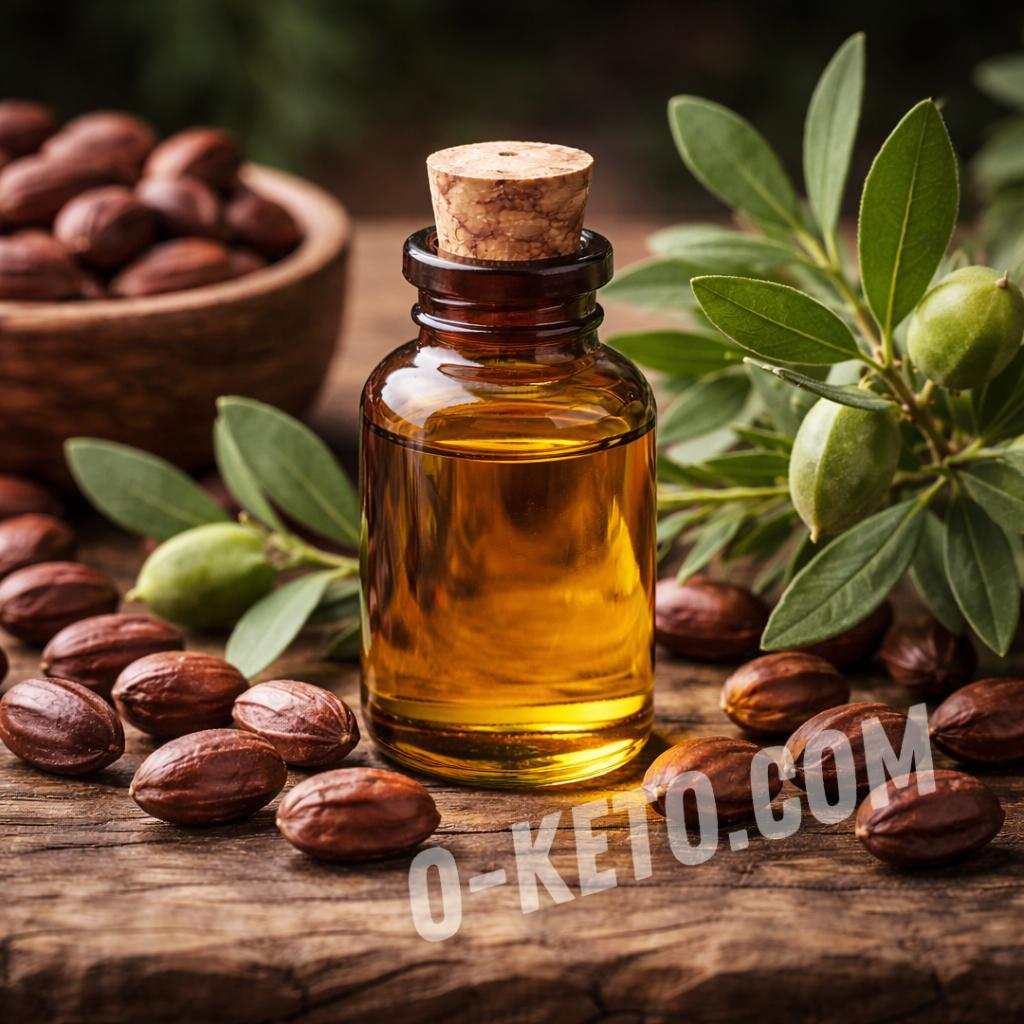

Jojoba oil is obtained from the seeds of the shrub Simmondsia chinensis. Despite the familiar name, it is not an essential oil and not even a typical vegetable oil, but a liquid wax. It has a light, slippery texture, a faint nutty-waxy scent and high resistance to rancidity. In skin and hair care, jojoba is used as a carrier oil: on its own, in blends, in massage formulas and as a carrier for essential oils.
Jojoba is not used as food. It is cosmetic raw material, so it should not be evaluated as a keto fat source or as an addition to meals. Its role is different: softening the skin, reducing the feeling of dryness after washing, caring for hair ends, diluting aromatic concentrates and making oil serums without a heavy greasy film.
What Makes Jojoba Different
The main feature of jojoba is its wax ester composition. This is why it feels lighter than many dense oils, spreads easily in a thin layer and oxidizes slowly. It is not like coconut, olive or almond oil: it has less classic greasiness and more of a dry, silky finish.
Unrefined jojoba is usually golden and has a more noticeable scent. Refined jojoba is lighter, almost neutral in aroma and easier to use in blends where the scent of an essential oil or fragrance should lead. Both can be good if the raw material is fresh, without an off smell, cloudiness or an old sticky texture.
How to Use It on Skin
Jojoba is applied to slightly damp skin or mixed as 1-3 drops into a portion of cream. This keeps the layer thin and avoids overloading the face. On dry areas it can be used locally: cheeks, around the lips, elbows, cuticles, lower legs after showering. For oily skin, it is better to start with a minimal amount, because even a light oil can be too much when applied too heavily.
Practical uses include:
- a few drops over a water-based serum or light cream;
- an oil blend for face or body massage;
- care for cuticles and dry areas of the hands;
- an addition to lip balm or foot cream;
- a carrier for diluting essential oils at a careful concentration.
For Hair and Scalp
On hair, jojoba is easiest to use in a very small amount. Rub one drop between the palms and apply it to the ends to reduce dryness and frizz. Too much will quickly flatten the hair. For a pre-wash mask, spread the oil through the length or onto dry scalp areas, leave for 20-40 minutes and then wash thoroughly with shampoo.
Jojoba does not weigh hair down as strongly as thicker oils, but the result depends on porosity, length and washing rhythm. Fine hair often needs only one drop. Dense, curly or lightened hair may need more, but it is better to add gradually.
Pairings
As a carrier oil, jojoba blends well with almond oil, grapeseed oil, squalane, rosehip oil, argan oil and a small share of tamanu. In aromatic blends it neutrally supports lavender, tea tree, chamomile, cedarwood, sandalwood, neroli, rosewood and citrus oils. The concentration of essential oils depends on the application area and the purpose of the blend, but facial products usually call for an especially low percentage.
In creams and balms, jojoba adds slip and reduces a dry feel. In oil perfumes it can carry aroma because it has no sharp smell and tolerates storage well. For home blending, small batches are better, with the date written on the bottle.
Safety
Jojoba is usually well tolerated, but an individual reaction is possible with any cosmetic raw material. Before first use on the face, test it on a small skin area. Do not apply oil to irritated skin after harsh procedures if there is burning, damage or fresh breakouts.
For essential oils, jojoba is only a carrier; it does not make a concentrate careful to use without proper dosing. Essential oils should be measured separately and kept at a low concentration. Blends with photosensitizing citrus oils should not be applied before strong sun exposure.
How to Choose and Store
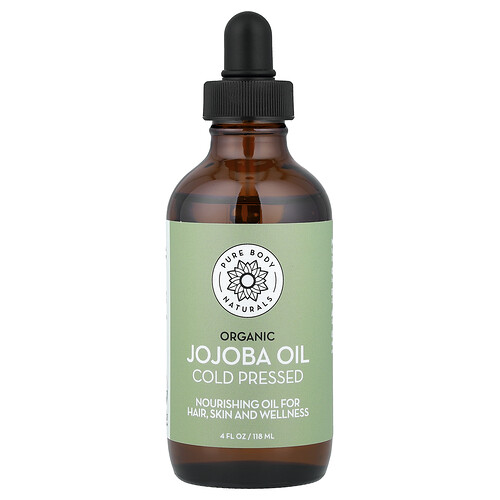
The ingredient list should say Simmondsia chinensis seed oil or jojoba oil, without mineral oil, silicones, fragrance or dyes if a pure carrier product is needed. A dark glass bottle is better for storage, and a dropper or pump helps avoid pouring too much.
Store jojoba tightly closed, away from heat and direct light. It is more stable than many oils, but an opened bottle is still best used within a reasonable time. An unpleasant smell, stickiness, sediment, a sharp color change or the feel of old wax is a reason to replace it.