


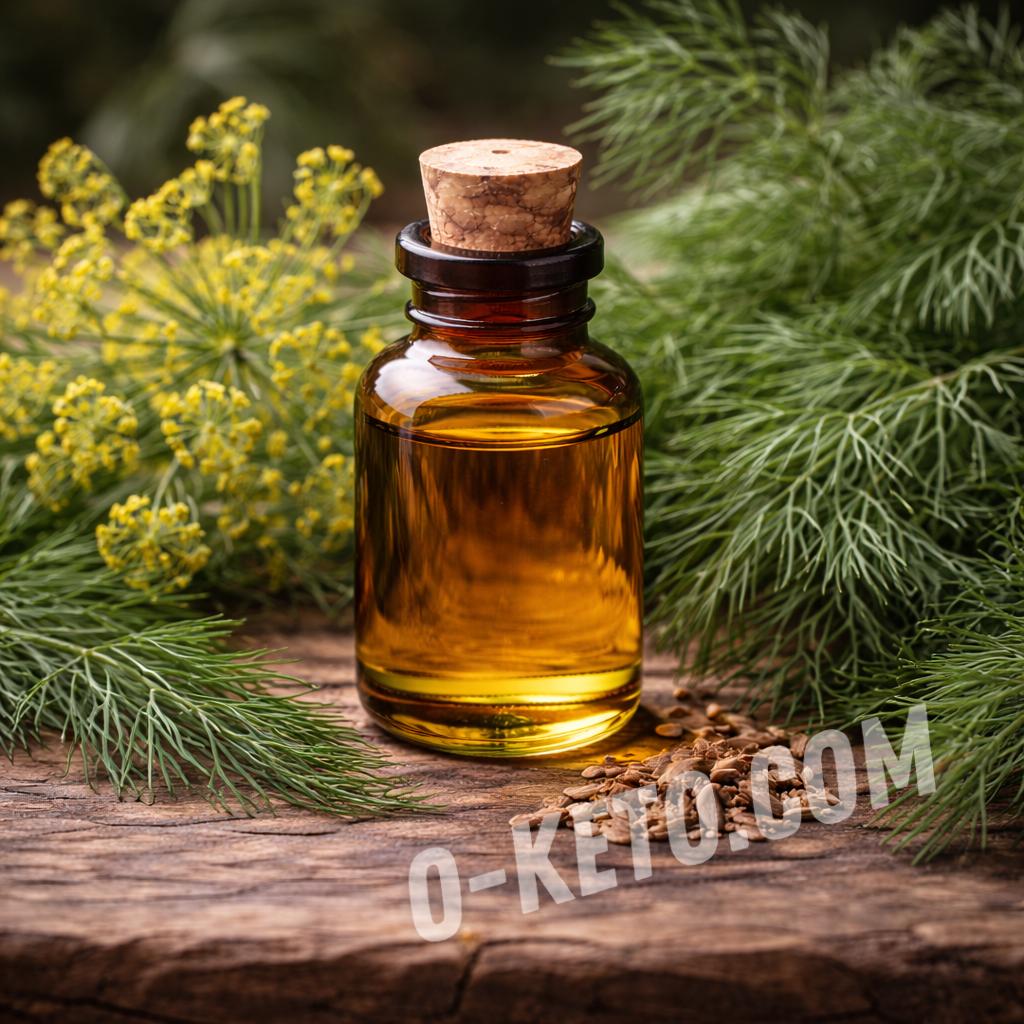

Dill essential oil is obtained from the seeds and aerial parts of the plant Anethum graveolens. It is one of the classic spicy essential oils, combining a mild antispasmodic effect with a pronounced influence on the digestive and nervous systems. Its aroma is fresh, green, slightly sweet, with a characteristic “warm” note that is associated with comfort and relaxation. Unlike sharp stimulating oils, dill acts gently and physiologically, making it especially valuable in aromatherapy and phytotherapy.
Historically, dill was used as a medicinal and ritual plant in Ancient Egypt, Greece, and Rome. It was applied to improve digestion, relieve spasms, support sleep, and calm the nervous system. In modern aromatherapy, dill essential oil is considered a means to harmonize the functioning of the gastrointestinal tract and reduce the effects of stress at the bodily level.
Origin and Extraction Features
Dill essential oil is obtained by steam distillation of the seeds or the entire aerial part of the plant. The composition of the oil may vary depending on the raw material: oil from seeds is usually warmer, spicier, and more saturated, while oil from the herb is greener and softer in aroma.
The dill plant is cultivated in Europe, the Mediterranean, and Asia, and the oil itself belongs to the category of relatively rare and specialized essential oils, primarily used for therapeutic purposes.
Chemical Composition and Physiological Action
Dill essential oil is characterized by a high content of monoterpenes and ketones. Its composition includes limonene, phellandrene, carvone, pinene, and camphene. This combination determines its pronounced effect on smooth muscles and the digestive system.
Main properties of the oil:
- antispasmodic action;
- support for digestion;
- anti-inflammatory effect;
- gentle sedative influence;
- antiseptic properties.
Dill oil is particularly valued for its ability to reduce functional spasms associated with tension, overeating, and stress.
Impact on the Digestive System
One of the key areas of application for dill essential oil is supporting the gastrointestinal tract. In aromatherapy practice, it is used for feelings of heaviness, bloating, and functional digestive disorders.
The oil is applied:
- for intestinal spasms;
- for bloating and flatulence;
- for reduced appetite due to stress;
- for gentle stimulation of digestive processes.
It is most often used externally—in massage blends for the abdominal area.
Influence on the Nervous System and Sleep
Dill essential oil has a calming effect without a pronounced sedative effect. It helps to “release tension from the body,” especially when stress manifests through the stomach and intestines.
It is used:
- for nervous tension;
- for difficulties falling asleep;
- for psychosomatic digestive disorders;
- in evening aromatherapy practices.
It blends well with lavender, German chamomile, fennel, and marjoram.
Application in Aromatherapy and Daily Life
In aromatherapy, dill essential oil is used in diffusers, massage blends, and inhalations. It is suitable for gentle evening aromatization of space and body practices.
Main methods of application:
- diffusion for relaxation;
- abdominal massage in dilution;
- aromatherapy for stress conditions.
Precautions
Dill essential oil is classified as an active essential oil and requires adherence to standard safety measures.
Recommendations:
- use only in diluted form;
- conduct a skin test before first use;
- avoid use during pregnancy without consulting a specialist;
- do not use internally without professional guidance.
Dill essential oil is a valuable therapeutic tool for working with digestion, stress, and bodily tension. When used wisely and consciously, it helps restore internal balance, improve well-being, and create a sense of gentle comfort at the level of the body and nervous system.


